The UK's energy mix explained
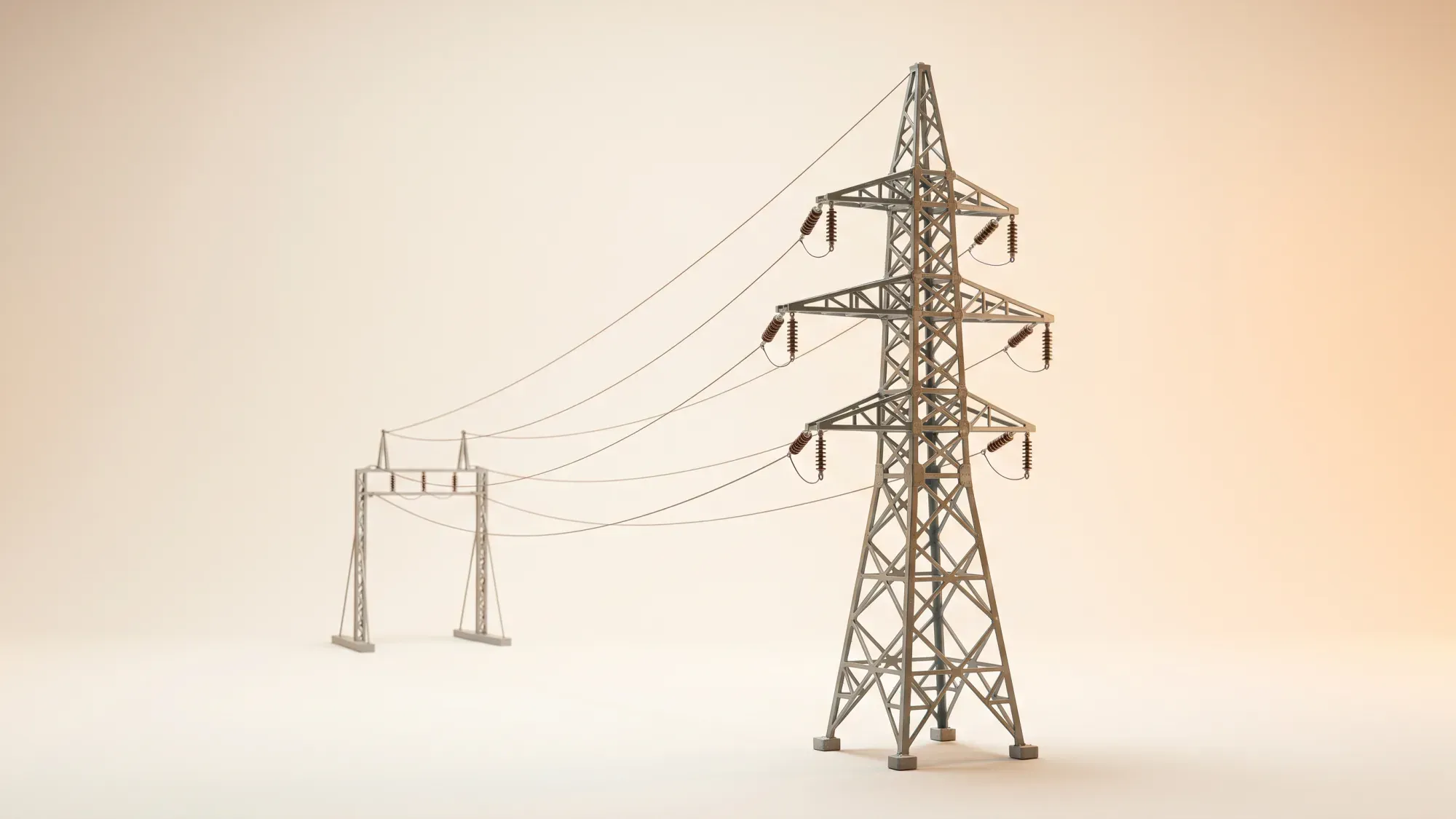
The UK's energy system is undergoing a significant transformation, moving away from fossil fuels towards a future powered predominantly by renewable sources. This shift is driven by a legally binding commitment to achieve Net Zero emissions by 2050 and a strategic push for greater energy independence. Understanding how the UK generates its power, its historical journey, and its future direction is crucial for appreciating the opportunities this evolution presents for every household.
Understanding the UK's energy mix helps you make informed decisions about your own energy use. Fuse Energy focuses on straightforward pricing and provides transparent data, so you can see exactly what you are paying and control your usage. Click here to switch to Fuse Energy today.
Enter your address to get a quote and see how much you could save
Understanding the UK's energy landscape
What defines the energy mix?
The energy mix refers to the combination of primary energy sources a country uses to meet its total energy demand. This encompasses electricity generation, heating, and transport. It is a dynamic blend of traditional and modern sources, constantly evolving to meet demand while striving for sustainability and security.
Why the UK energy mix matters
The composition of the UK's energy mix directly impacts national energy security, consumer costs, grid stability, and environmental sustainability. A diverse and robust energy mix helps to ensure a stable supply, reduce reliance on volatile international markets, and accelerate progress towards climate targets.
Current composition of the UK energy mix
The UK's energy landscape is increasingly dominated by low-carbon sources, though fossil fuels still play a significant role. Electricity generation, in particular, has seen a rapid increase in renewable contributions.
Renewable energy: leading the charge
Renewable energy sources now account for a significant and growing proportion of the UK's electricity generation, often exceeding fossil fuels. Wind power, especially offshore wind, is a cornerstone of this growth. The UK possesses one of the largest offshore wind capacities globally, a crucial element in its renewable energy strategy. Solar power and bioenergy also contribute substantially to the renewable mix.
Fossil fuels: a transitioning role
Natural gas remains a key component of the UK's energy mix, particularly for electricity generation and heating. It serves as a flexible power source, balancing the intermittent nature of renewables. However, its role is transitioning, with efforts focused on reducing reliance and exploring carbon capture technologies. The UK has seen a substantial decrease in coal use for electricity generation over the past decade, with coal-fired power plants largely phased out by 2024.
Nuclear power: a stable contributor
Nuclear power provides a consistent, low-carbon baseload electricity supply, offering stability to the grid. While existing plants are gradually being decommissioned, new nuclear projects are planned to ensure this reliable energy source continues to contribute to the UK's future energy security.
Other sources
Beyond these major contributors, the UK energy mix also includes smaller contributions from sources such as hydro power and imported electricity from interconnectors with neighbouring countries.
Historical trends and key milestones
The UK's energy journey has been marked by several pivotal shifts, reflecting technological advancements, economic pressures, and evolving environmental priorities.
From coal to gas: the dash for gas
For centuries, coal was the dominant energy source in the UK. However, the "dash for gas" in the 1990s saw a rapid transition from coal to natural gas for electricity generation, driven by economic factors and environmental concerns over coal's higher emissions. This significantly altered the energy landscape and laid the groundwork for further decarbonisation.
The rise of renewables
The 21st century has witnessed the dramatic rise of renewable energy. Government policies and technological innovation have spurred massive investment in wind and solar, transforming these once-marginal sources into central pillars of the UK's electricity supply. This growth has been particularly pronounced in offshore wind, where the UK has become a global leader.
Decarbonisation achievements
The UK has made significant progress in decarbonising its electricity sector. This has been largely due to the phase-out of coal and the rapid expansion of renewables. These efforts are part of a broader commitment, with the UK having a legally binding target to achieve Net Zero emissions by 2050.
What is Net Zero?
Net Zero refers to achieving an overall balance between the amount of greenhouse gas emissions produced and the amount removed from the atmosphere. The UK has a legally binding target to reach Net Zero by 2050, driving significant changes across all sectors, including energy production and consumption.
Future outlook: towards Net Zero
The path to Net Zero by 2050 requires continued transformation of the UK's energy system, with ambitious targets and a focus on innovation.
Government targets and policy
The legally binding Net Zero by 2050 target underpins the UK government's energy policy. This includes further expansion of offshore wind, investment in new nuclear capacity, development of hydrogen technologies, and carbon capture, utilisation, and storage (CCUS). Policies are designed to incentivise low-carbon generation and reduce energy demand across all sectors, including the adoption of efficient heating solutions like air source heat pumps.
The role of emerging technologies
Emerging technologies will play a critical role in achieving future energy goals. These include advanced battery storage solutions to manage intermittent renewable generation, smart grid technologies for more efficient energy distribution, and the development of sustainable aviation and shipping fuels.
Challenges and opportunities
The transition presents both challenges and opportunities. Integrating a high proportion of intermittent renewables requires significant upgrades to grid infrastructure and flexible energy solutions. However, it also offers opportunities for economic growth, job creation in green industries, and enhanced energy security through domestic clean energy production.
Impact on consumers and energy security
The evolving energy mix has direct implications for households across the UK, influencing everything from daily costs to national resilience.
Affordability and price stability
A diverse energy mix, particularly one less reliant on volatile fossil fuel markets, can contribute to greater price stability for consumers. While initial investments in new infrastructure are substantial, the long-term goal is to deliver more affordable, clean energy. Government policies and regulatory bodies like Ofgem, the UK's energy regulator, aim to ensure fair competition and consumer protection throughout this transition.
Energy independence and resilience
Increasing domestic renewable energy generation enhances the UK's energy independence, reducing its vulnerability to global energy price shocks and geopolitical events. This improved resilience means a more secure and reliable energy supply for homes.
Empowering consumer choice
The energy transition is also empowering consumers with more choice and control over their energy use. Smart meters, for instance, provide detailed insights into consumption, while schemes like the Smart Export Guarantee (SEG) encourage small-scale renewable electricity generators to feed power back into the grid. This shift allows individuals to engage more actively with their energy consumption and contribute to a cleaner energy future, often by considering home improvements such as air conditioning installation for comfort and efficiency.
Managing your energy bills should be clear and easy to understand. Fuse Energy focuses on straightforward pricing, so you can see exactly what you are paying without unnecessary complexity. If you have a smart meter, you can view detailed usage data through the app or website, helping you understand how you can lower your bills. Our 24/7 human support team is always on hand with fast response times whenever you need help. Click here to switch to Fuse Energy today. Find out about our mission by clicking here.
Disclaimer
For the avoidance of doubt, this article is provided for informational purposes only and is not intended to constitute legal or financial advice. The author and/or Fuse Energy shall not be responsible for any losses arising out of any reliance on the information contained herein.