Air conditioning installation costs: what to expect
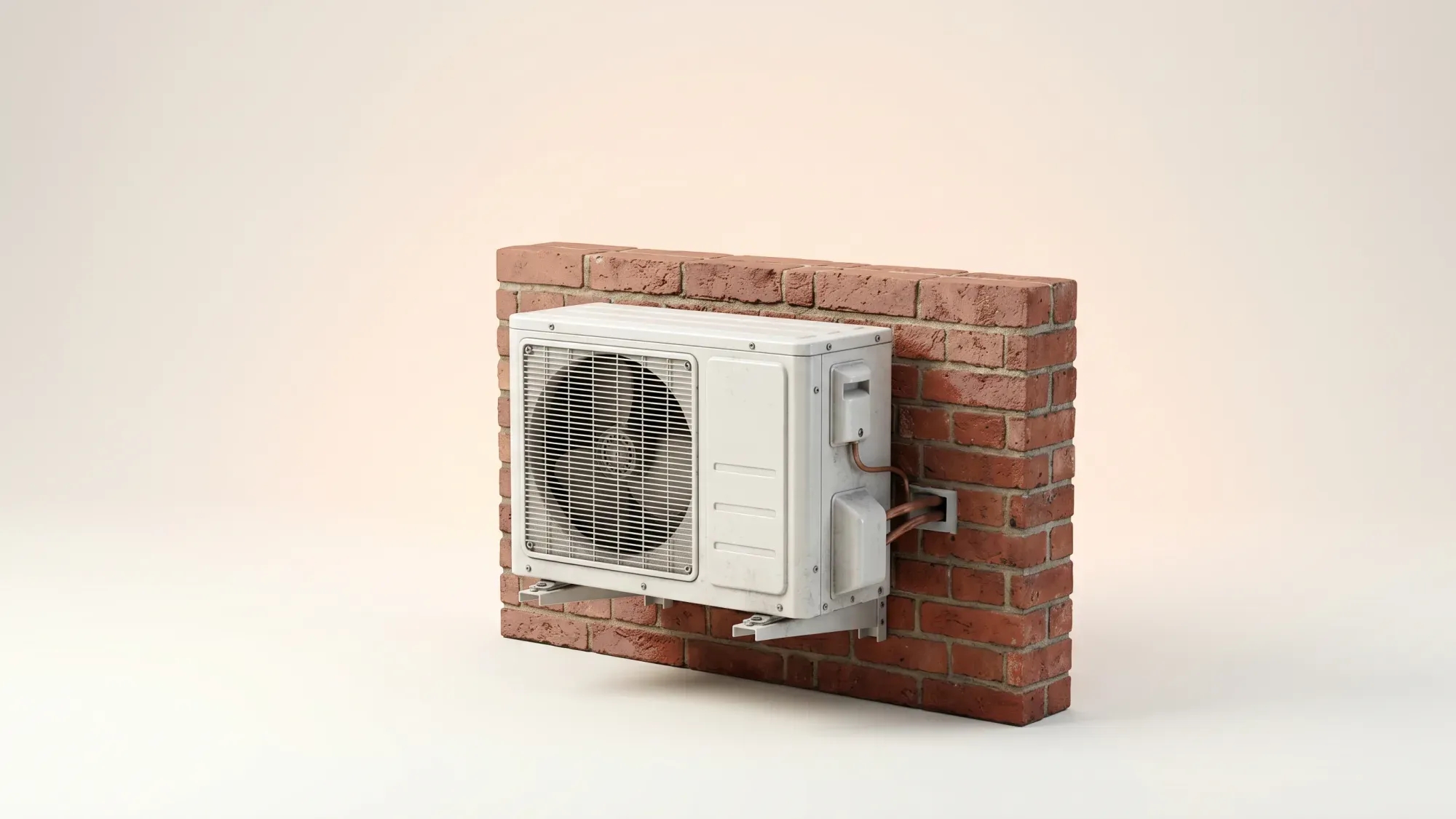
Air conditioning is becoming a practical consideration for many UK homeowners, driven by increasingly warmer summers and the desire for comfortable living spaces. Modern systems offer efficient cooling and heating, but understanding the installation process, costs, and ongoing energy management is crucial. This article will guide UK homeowners on how to make their air conditioning systems as energy-efficient as possible post-installation, leveraging smart energy management tools.
Keeping your home comfortable shouldn't mean sky-high energy bills. Fuse Energy helps you manage your energy consumption effectively, so you can enjoy your air conditioning without worrying about excessive costs. Click here to switch to Fuse Energy today.
Enter your address to get a quote and see how much you could save
Understanding home air conditioning
Modern air conditioning (AC) systems do more than just cool; they provide year-round climate control, offering both cooling in summer and efficient heating in winter. This dual functionality, coupled with advanced filtration and humidity control, makes them a valuable addition to many UK homes.
Types of air conditioning systems for UK homes
Several types of air conditioning systems are suitable for UK homes, each with different applications and cost implications:
- Wall-mounted split systems: These are the most popular choice for residential properties. They consist of an indoor unit mounted on a wall and an outdoor compressor, connected by refrigerant lines. They are effective for cooling or heating single rooms.
- Multi-split systems: Similar to split systems, but one outdoor unit can connect to multiple indoor units in different rooms. This is a cost-effective way to air condition several spaces.
- Ducted systems: These systems are hidden within ceilings or walls, distributing conditioned air through vents. They offer whole-home cooling but are typically more complex and expensive to install, often found in larger properties or new builds.
- Portable air conditioners: Stand-alone units that can be moved between rooms. While the most affordable option, they are generally less powerful and energy-efficient than fixed installations.
Benefits of installing air conditioning
Installing air conditioning offers several advantages beyond just cooling. It can significantly improve comfort during heatwaves, leading to better sleep quality and increased productivity, especially for those working from home. Modern units also enhance indoor air quality by filtering out dust, pollen, and allergens, and help control humidity, which can prevent mould and dampness. Furthermore, many contemporary air conditioning units can provide efficient heating, making them a year-round climate control solution.
Air conditioning installation costs in the UK
The cost of installing air conditioning in the UK varies significantly based on the type of system, property size, and installation complexity. For a professionally installed single-split AC unit in one room, homeowners can expect to pay between £1,800 and £4,500 or more in 2026.
Factors affecting installation price
Several key factors influence the total cost of air conditioning installation:
- Type of system: Split systems are generally less expensive than multi-split or ducted systems.
- Unit capacity (BTU): The British Thermal Unit (BTU) rating indicates the unit's cooling power. A 12,000 BTU unit, suitable for an average-sized bedroom, typically costs around £750 for the unit alone. Larger spaces require higher BTU units, which are more expensive.
- Number of rooms/units: Cooling multiple rooms with a multi-split system will increase costs compared to a single-split unit.
- Installation complexity: Factors like the length of pipework, accessibility for outdoor units, and the need for extensive electrical work can drive up labour costs.
- Brand and features: Premium brands and units with advanced features (e.g., smart controls, higher energy efficiency) will typically cost more.
- Regional labour rates: Installation costs can vary depending on your location in the UK.
Breakdown of typical costs
For a standard professionally installed single-split system (one indoor and one outdoor unit), the average cost can range from £1,800 to £4,500. This typically includes the unit, pipework, labour, and commissioning.
How much does a single-split AC unit cost to install in the UK?
A professionally installed single-split air conditioning unit for one room in the UK typically costs between £1,500 and £2,500. This price usually covers both the unit and the labour for a standard installation, though costs can vary based on unit specifications and installation complexity.
Labour costs for installing a single split AC unit can take 4-8 hours. Air conditioning engineers typically charge between £280 and £720 per day. For multi-split systems, expect costs to start from around £3,000, increasing with the number of indoor units. Ducted systems, offering whole-home solutions, can start from £5,000 and exceed £10,000 for larger properties.
Choosing the right air conditioning system
Selecting the appropriate air conditioning system for your home involves evaluating your specific needs and understanding energy efficiency ratings.
Assessing your home's needs
Consider the size of the rooms you want to cool or heat, your property's insulation, and how often you anticipate using the system. An undersized unit will run constantly without effectively conditioning the space, while an oversized unit will cycle on and off frequently, wasting energy. A qualified installer can help assess your home and recommend the most efficient setup. For more ways to reduce your energy consumption, explore our energy efficiency tips for homeowners.
Energy efficiency ratings explained (SEER & SCOP)
Energy efficiency is a critical factor for managing running costs. In the UK, air conditioning units are rated using the Seasonal Energy Efficiency Ratio (SEER) for cooling and the Seasonal Coefficient of Performance (SCOP) for heating.
- SEER: This measures how efficiently a system cools over an entire cooling season. A higher SEER rating indicates greater efficiency, meaning the unit delivers more cooling for each unit of electricity consumed.
- SCOP (seasonal coefficient of performance): This is the heating equivalent of SEER, measuring how efficiently a system provides heating over a full heating season. A higher SCOP means more heat output for less electricity input.
Both SEER and SCOP are displayed on the UK energy label, typically ranging from A+++ (most efficient) to G (least efficient). Aim for units with high SEER and SCOP ratings (e.g., SCOP > 4, SEER > 7) to ensure lower running costs and reduced energy consumption.
The air conditioning installation process
Professional installation is essential for air conditioning systems, ensuring safety, efficiency, and compliance with regulations. Attempting DIY installation for anything beyond portable units can void warranties and pose safety risks.
Finding a qualified installer
Always use F-Gas certified installers for safety and compliance. F-Gas regulations control the refrigerants used in air conditioning systems, and UK law requires that anyone installing, servicing, or decommissioning equipment containing these gases holds a valid F-Gas qualification. A reputable installer will hold personal F-Gas certification and their company will be F-Gas registered.
What to expect during installation
The installation process typically involves:
- Survey & planning: A qualified installer will assess your home to determine the ideal location for indoor and outdoor units.
- Mounting units: The indoor unit is fixed high on a wall, and the outdoor condenser is typically placed on an external wall or ground bracket.
- Connecting pipework & electrics: Refrigerant lines and power are safely run between the units.
- Commissioning: The system is tested to ensure it operates correctly and efficiently.
Most domestic air conditioning installations do not require planning permission under permitted development rules, provided the external condenser unit is modest in size and discreetly placed. However, planning consent may be needed for larger systems, flats, listed buildings, or properties in conservation areas. Building regulations, particularly Part P for electrical work and Part L for energy efficiency, also apply.
Optimising your air conditioning for energy efficiency
Once installed, managing your air conditioning effectively is key to controlling running costs. Modern systems, especially those with inverter technology, are far more energy-efficient than older models.
Smart energy management for lower bills
Effective energy management can significantly reduce the running costs of home air conditioning. Simple habits, such as setting your temperature to around 18-21°C, keeping doors and windows closed while the unit is running, and regularly cleaning filters, can make a noticeable difference. Many homeowners also opt for a smart meter installation to better track their energy use.
Leveraging technology for climate control
Modern air conditioning units often come with smart controls and connectivity, allowing you to manage them remotely via a smartphone. This enables smart scheduling and temperature optimisation, ensuring your system only runs when needed. For example, using timers or smart controls can help reduce energy consumption.
Fuse Energy does not offer air conditioning installation services. However, we empower homeowners to manage their energy consumption effectively. The Fuse app and smart meters provide insights into your home's overall energy usage. By monitoring your energy consumption, you can identify patterns, optimise settings, and make data-driven decisions to keep your home comfortable without excessive energy bills. This approach helps integrate air conditioning into a holistic home energy strategy, making comfort sustainable through smart usage.
Managing your home's energy should be straightforward and rewarding. With Fuse Energy, you get clear pricing, real-time usage data through our app, and 24/7 human customer support. Our smart tariffs are designed to help you make the most of your energy, whether you're cooling your home or powering other appliances. Switching is quick and easy, so you can start taking control of your energy bills today. Click here to switch to Fuse Energy and discover a smarter way to power your home. You can also learn more about our mission to make energy abundant and affordable here.
Disclaimer
For the avoidance of doubt, this article is provided for informational purposes only and is not intended to constitute legal or financial advice. The author and/or Fuse Energy shall not be responsible for any losses arising out of any reliance on the information contained herein.