New boiler cost: how much to budget for installation
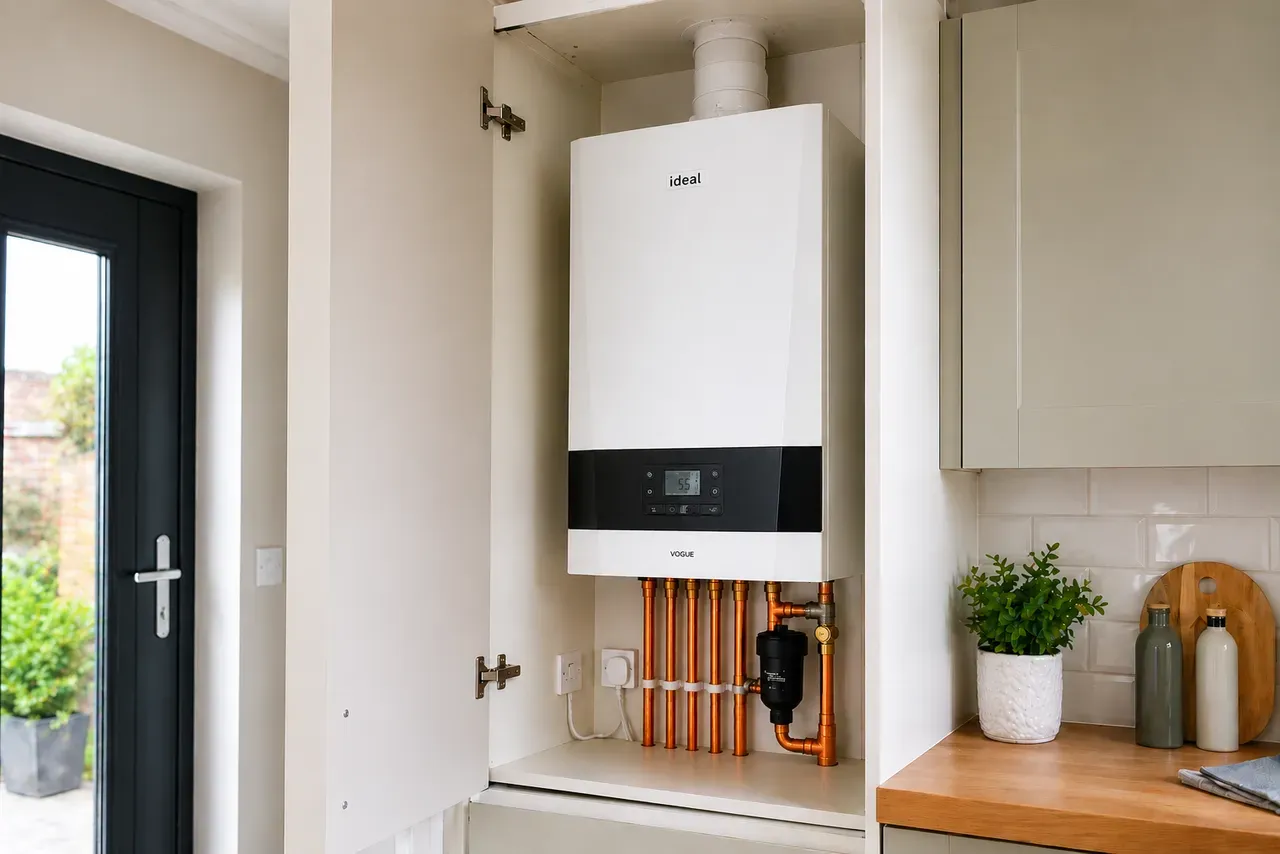
Replacing an older, inefficient boiler can significantly reduce your energy bills and improve home comfort. Modern condensing boilers convert over 90% of fuel into heat, a substantial improvement over older models that can be as low as 60-70% efficient. If your boiler is showing its age, understanding the costs and benefits of a new installation is the first step towards a warmer, more efficient home.
Understanding new boiler costs
The cost of a new boiler installation in the UK varies widely, influenced by several factors. It is not just the price of the boiler itself, but also the complexity of the installation and any additional work required.
Factors influencing boiler prices
Boiler prices are primarily driven by the type of boiler, its brand, and its power output. However, installation complexity plays a significant role in the overall cost. Factors like moving the boiler to a new location, converting from one boiler type to another, or upgrading pipework can increase the total expense. For instance, replacing an old combi boiler with a new one in the same location is typically less costly than converting from a system boiler to a combi boiler, which might involve more extensive work and take longer.
All gas boiler installations in the UK must be carried out by an engineer registered with the Gas Safe Register, ensuring safety and compliance.
Average installation costs
The average cost for a new boiler installation in the UK typically ranges from £2,000 to £4,500, depending on the boiler type, brand, and installation complexity. While the boiler unit itself might cost between £900 and £2,500 for a typical three-bedroom home, installation costs can add another £1,000 to £2,000. For a straightforward combi boiler replacement, including supply and installation, you might expect to pay around £2,500 to £4,000.
What is the typical cost of a new boiler installation?
A new boiler installation in the UK generally costs between £2,000 and £4,500. This price includes the boiler unit and labour, but can vary based on the boiler type, brand, and the complexity of the installation, such as relocating the boiler or converting to a different system.
Hidden costs to consider
When budgeting for a new boiler, consider potential additional costs beyond the boiler and basic installation. These might include:
- System flushing: Cleaning your existing heating system to remove sludge and debris, which can improve efficiency and extend the life of your new boiler.
- New controls: Upgrading to smart thermostats or advanced heating controls can enhance efficiency but adds to the upfront cost.
- Radiator upgrades: If your current radiators are old or inefficient, replacing them alongside your boiler can maximise the benefits of your new system.
- Old boiler removal and disposal: This is usually included in the installation quote but is worth confirming.
Types of boilers for your home
Choosing the right boiler type is crucial for meeting your home's heating and hot water demands efficiently. The three main types in the UK are combi, system, and conventional boilers, with electric boilers also an option.
Combi boilers
Combi (combination) boilers are popular in modern homes because they provide both heating and hot water directly from the mains without needing separate tanks. They heat water on demand, which can make them more efficient and cost-effective to run, especially for smaller properties. Their compact size means they save space, often fitting neatly into a kitchen cupboard. However, combi boilers may struggle to supply multiple hot water outlets simultaneously, potentially affecting water pressure and temperature if several taps or showers are in use at once.
System boilers
System boilers are well-suited for larger homes with multiple bathrooms, as they store hot water in a cylinder and can supply several taps or showers at the same time with good water pressure. Unlike conventional boilers, system boilers do not require a cold water tank in the loft, saving space. They also work well with solar panels, offering an environmentally friendly way to heat water.
Conventional boilers
Also known as regular or heat-only boilers, conventional boilers are often found in older, larger homes. They require both a hot water cylinder and a cold water tank (usually in the loft) to store water. While they can provide hot water to multiple outlets simultaneously, they may be less energy-efficient than modern systems due to heat loss from stored water and slower heat-up times. They can be a good option for homes with older heating systems that might be damaged by high mains water pressure.
Electric boilers and their suitability
Electric boilers are an alternative, particularly for properties without a gas connection or those looking to avoid fossil fuels. They convert almost all the electricity they consume into heat, making them highly efficient at the point of use, often reaching 99-100% efficiency. They generally have lower maintenance costs due to fewer moving parts and no need for combustion checks. However, the running costs can be higher than gas boilers, depending on electricity prices. Electric boilers typically cost around £1,300 to £4,000, including installation.
Signs you need a new boiler
Your boiler is a key part of your home's heating system, typically lasting between 10-15 years. As it ages, efficiency and reliability often decline, leading to several warning signs that it might be time for a replacement.
Frequent breakdowns and repairs
If your boiler requires increasingly frequent repairs or experiences regular breakdowns, it is a strong indicator that a replacement is due. While an occasional repair might be manageable, constant issues can become costly and inconvenient. Strange noises like banging, whistling, or gurgling can also signal underlying problems that might point towards replacement.
Decreased efficiency and higher bills
An older boiler is generally less efficient, meaning it uses more fuel to produce the same amount of heat. If you notice your energy bills steadily increasing despite similar usage patterns, your boiler's declining efficiency is likely the cause. Modern boilers can achieve up to 94% efficiency, a significant improvement over older units that might only be 60-70% efficient. Upgrading from an older D-rated boiler to a modern A-rated one could save a typical household up to 23% on annual gas bills.
Age of your current boiler
Most boilers in the UK last between 10 and 15 years. While some might continue to function for longer, their efficiency often drops, and parts can become harder to find. Replacing a boiler that is approaching or beyond this age range can prevent unexpected breakdowns and ensure more reliable performance. For those considering alternatives to traditional gas boilers, exploring options like an air source heat pump could be beneficial, especially if your current boiler is nearing the end of its lifespan.
Inconsistent heating and hot water
If your home is not heating as comfortably as it used to, or you experience inconsistent heating and hot water, your boiler might be struggling. This could manifest as some rooms being too cold while others are too warm, or hot water running out quickly. These issues suggest your system is no longer effectively meeting your heating demands.
The new boiler installation process
Replacing your boiler might seem daunting, but a clear, step-by-step process can make it straightforward.
Choosing the right boiler (the Vaillant Ecotec Plus)
Fuse Energy exclusively installs the Vaillant Ecotec Plus gas boiler model. This modern condensing boiler boasts high heating energy efficiency of up to 94%, making it an economical choice for many homes. The Vaillant Ecotec Plus is designed for optimal performance, offering instant hot water and efficient heating for small to medium-sized properties. It is also hydrogen-ready, capable of running on up to 20% hydrogen, preparing your home for future changes in energy infrastructure.
What to expect during installation
Once you have chosen your boiler, the installation process involves several key steps:
- Detailed quote review: Ensure your quote clearly outlines all costs and services, so there are no unexpected additional charges.
- Scheduling: Work with your provider to schedule the installation at a convenient time. A standard combi boiler swap can typically take 4 to 6 hours.
- Gas safe registered engineer: All gas boiler installations in the UK must be carried out by a Gas Safe registered engineer. This is a legal requirement and ensures the work is done safely and correctly.
- Disruption: While installers aim to minimise disruption, there will be some noise and temporary interruption to your heating and hot water during the process.
Post-installation checks and warranties
After installation, the engineer will conduct thorough checks to ensure everything is working correctly and safely. You should also receive documentation for your new boiler, including its warranty. Registering your warranty is crucial, as it protects your investment and covers potential issues down the line. Most modern boilers come with a warranty of several years, with some Vaillant models offering up to 10 years. Regular annual servicing is also essential to maintain your boiler's efficiency, prolong its lifespan, and keep your warranty valid.
Benefits of an energy-efficient boiler
Upgrading to an energy-efficient boiler offers a range of advantages, from financial savings to improved home comfort and environmental benefits.
Lower energy bills
One of the most significant benefits of an energy-efficient boiler is the potential for substantial savings on your energy bills. Modern condensing boilers are highly efficient, converting a greater percentage of fuel into usable heat compared to older models. By wasting less energy, you will spend less on gas each month, with homeowners potentially saving up to 23% on annual gas bills when upgrading from an older, less efficient model.
Improved home comfort
An efficient new boiler provides more consistent and reliable heating throughout your home. You will experience fewer cold spots and a more stable indoor temperature, ensuring your home remains warm and comfortable, even during the coldest months. Modern boilers also often operate more quietly than older units, contributing to a more peaceful home environment.
Reduced carbon footprint
Energy-efficient boilers burn less fuel to produce the same heat output, which means they release fewer greenhouse gases into the atmosphere. Upgrading to a modern, A-rated system can contribute to lower national emissions and better local air quality. While the Boiler Upgrade Scheme (BUS) focuses on low-carbon heating solutions like heat pumps, a new efficient boiler still plays a role in reducing your home's environmental impact. You can learn more about the efficiency of air source heat pumps as another way to reduce your carbon footprint.
Peace of mind and reliability
A new boiler comes with the assurance of modern technology and a manufacturer's warranty, providing peace of mind. You will reduce the risk of unexpected breakdowns and costly emergency repairs, especially during winter. With proper maintenance, a new boiler offers reliable performance for years to come, ensuring consistent heating and hot water when you need it most.
"Modern energy-efficient boilers can significantly reduce your energy use and costs, sometimes by as much as 30%. This is because newer models waste less energy as heat loss. Some can even reach 95% efficiency, a considerable improvement over older boilers that only hit around 70%." — Simply ECO Ltd.
Disclaimer
For the avoidance of doubt, this article is provided for informational purposes only and is not intended to constitute legal or financial advice. The author and/or Fuse Energy shall not be responsible for any losses arising out of any reliance on the information contained herein.