Achieving home energy fitness
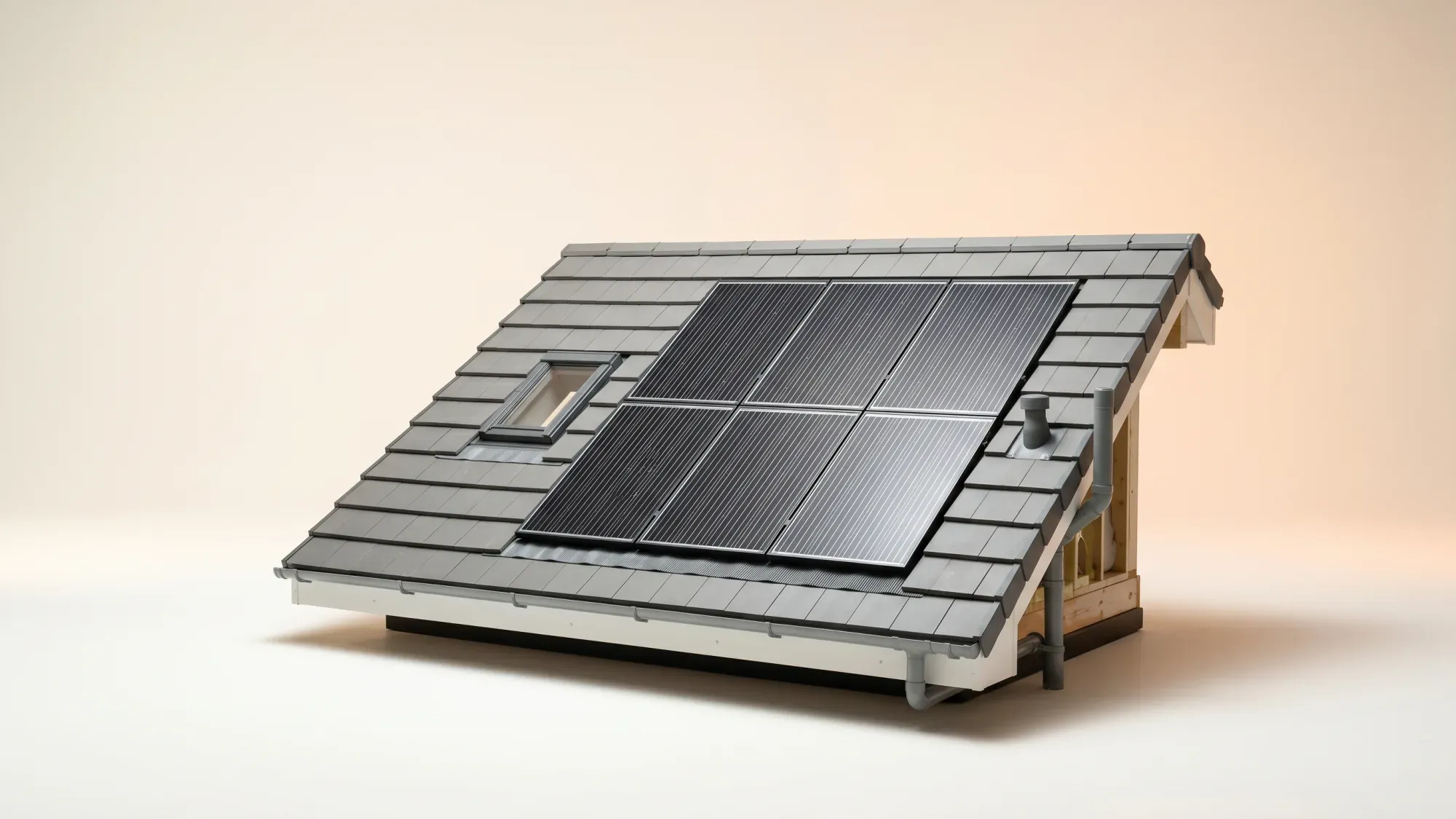
Becoming energy fit means taking complete control and gaining greater capability over your home energy systems, moving beyond the old idea of simply using less. For homeowners, this involves optimising for efficiency, managing costs effectively, and preparing for future energy demands. It's about shifting from a scarcity mindset to one where you have more energy to use, making your home resilient and ready for whatever comes next.
Ready to make your home energy fit? Fuse Energy helps you take control of your energy usage with clear pricing and smart tools. Click here to switch to Fuse Energy today.
Enter your address to get a quote and see how much you could save
What is home energy fitness?
Beyond efficiency: cost, control, and future readiness
Home energy fitness is a holistic approach to managing your home's power. It goes further than just turning off lights or insulating your loft, though those are important steps. True energy fitness means understanding your energy use, making smart choices about tariffs, and embracing technologies that give you control and even generate your own power. It's about ensuring your home is efficient, affordable to run, and equipped for future needs like electric vehicle (EV) charging or home battery storage.
The shift from Feed-in Tariffs (FIT) to Smart Export Guarantee (SEG)
The UK energy landscape has changed significantly. The Feed-in Tariff (FiT) scheme, which paid homeowners for generating renewable electricity, closed to new applications on 31 March 2019 or 1 April 2019. Existing participants continue to receive payments under its terms. If you're looking to generate your own renewable energy today, the Smart Export Guarantee (SEG) is the current framework. Under SEG, licensed energy suppliers pay small-scale generators for the renewable electricity they export to the grid. This shift highlights the move towards smarter, more dynamic energy management. To qualify for SEG, you typically need an eligible renewable system, Microgeneration Certification Scheme (MCS) certification, and a smart meter.
Optimising your home for energy efficiency
Making your home energy efficient is the foundation of energy fitness. It starts with understanding where your energy goes and then taking practical steps to reduce waste.
Insulation and draught-proofing
One of the most effective ways to cut down on energy waste is to ensure your home is well-insulated and free from draughts. Proper insulation in walls, lofts, and floors keeps heat in during winter and out during summer, reducing the need for heating and cooling. Understanding the efficiency of air source heat pumps can also help in making informed decisions about your home's heating system. Simple draught-proofing measures around windows and doors can also make a significant difference to your comfort and your bills.
Appliance efficiency and usage habits
Your appliances contribute significantly to your energy consumption. Choosing energy-efficient models, especially for white goods like fridges, freezers, and washing machines, can lead to long-term savings. For more ways to improve your home's climate control, consider options like an air conditioning installation. Beyond that, adopting smart usage habits - like running your washing machine during off-peak hours if you have a time-of-use tariff, or unplugging chargers when not in use - can further reduce your energy footprint.
Understanding your energy consumption
To truly optimise, you need to know what you're optimising. The average UK home uses around 2,500 kWh of electricity per year. Understanding your own consumption patterns is crucial. Smart meters, for instance, provide real-time data, allowing you to pinpoint energy-hungry appliances or times of high usage. This insight empowers you to make informed decisions about where to focus your efficiency efforts.
Managing costs with tariffs and smart meters
Navigating energy tariffs can feel complex, but choosing the right one and leveraging smart meter technology are key to controlling your energy costs.
Choosing the right energy tariff
Energy tariffs vary widely, offering different rates for electricity and gas, and sometimes different prices depending on the time of day. Your choice of tariff can significantly impact your monthly bill. It's worth comparing options regularly to ensure you're on the best deal for your usage patterns. Some dual-rate variable tariffs offer cheaper rates overnight for EV charging, while others might be better for those who use most of their energy during the day.
The role of smart meters in cost control
Smart meters are essential tools for modern energy management. They send your readings directly to your supplier, ensuring accurate bills and eliminating the need for manual submissions. More importantly, smart meters unlock access to time-of-use tariffs, which charge different rates for electricity at different times of the day. This allows you to shift high-energy activities to cheaper periods, like charging an EV overnight, leading to substantial savings.
What is the Ofgem Price Cap for electricity?
For 1 July to 30 September 2026, the Ofgem Price-cap default tariff for electricity is 26.11p per kWh, inclusive of 5% VAT. This cap limits the amount suppliers can charge for each unit of electricity and the standing charge.
Understanding your meter readings
Whether you have a smart meter or a traditional one, understanding your meter readings is fundamental. For smart meters, the readings are sent automatically, but you can still view your usage data through an in-home display or your energy supplier's app. For traditional meters, you'll need to submit readings manually to ensure your bills are accurate and not based on estimates. Knowing how to read your meter, whether it's electricity in kWh or gas in m³ (which is then converted to kWh), gives you direct insight into your consumption.
Future-proofing with renewable energy and smart tech
Looking ahead, integrating renewable energy and smart technologies can make your home truly future-ready, reducing reliance on the grid and preparing for evolving energy demands.
Exploring plug-in solar for accessible generation
Small-scale renewable generation is becoming more accessible for homeowners. Compliant plug-in solar systems, for example, offer a way to generate your own electricity without the need for a full rooftop installation. Statutory Instrument (SI) 2026/848 has applied to compliant plug-in solar since 27 August 2026, permitting systems with an 800W AC export limit per device to connect via a standard plug.
These systems typically consist of a solar panel and a microinverter, plugging directly into a wall socket. They offset your home's base-load usage, reducing the amount of electricity you draw from the grid. While they do not qualify for the SEG, any unused generation still goes to the grid, and some suppliers may offer their own export tariffs outside the SEG scheme. The consumer or their supplier must notify the Distribution Network Operator (DNO) under G98 within 28 days of installing a plug-in solar system.
Integrating EV charging and home battery storage
The future of home energy increasingly includes electric vehicles and battery storage. If you own an EV, installing a dedicated home charger can make charging convenient and cost-effective, especially when paired with an EV-friendly tariff. Home battery storage allows you to store excess solar power generated during the day for use in the evening, or to charge from the grid during cheaper off-peak hours. This maximises your self-consumption and further reduces your reliance on grid electricity. Note that SI 2026/848 does not cover plug-in batteries or hybrid solar-battery systems.
Smart home energy management systems
Smart home energy management systems bring all these elements together. These systems can automate your energy use, optimising when appliances run, when your EV charges, or when your battery stores or discharges power, all based on your tariff, generation, and consumption patterns. This level of automation ensures your home is always operating at peak energy fitness, giving you unparalleled control and efficiency.
Taking control of your home energy journey
Achieving energy fitness is a journey, not a destination. By taking a structured approach, you can gain control over your home's energy and move towards a more capable energy future.
Step-by-step guide to energy optimisation
- Assess your current home energy usage: Understand your bills, identify peak usage times, and pinpoint energy-intensive appliances.
- Optimise for efficiency: Improve insulation, draught-proof your home, and ensure your appliances are running efficiently.
- Choose the right tariffs: Compare energy tariffs and consider time-of-use options, especially if you have a smart meter.
- Explore small-scale generation: Look into options like compliant plug-in solar to generate some of your own electricity.
- Plan for future needs: Consider EV charging solutions and home battery storage to further enhance your energy independence.
- Embrace smart technology: Use smart meters and home energy management systems to automate and fine-tune your energy use.
Managing your energy bills should be clear and easy to understand. Fuse Energy focuses on straightforward pricing, so you can see exactly what you're paying without unnecessary complexity. If you have a smart meter, you can view detailed usage data through the app or website, helping you understand how you can lower your bills. If you don't have a smart meter, Fuse Energy can upgrade your non-smart meter, completely for free. This can make it easier to track spending and make informed decisions about your energy use. Our 24/7 human support team is always on hand with fast response times of under 5 minutes whenever you need help. Click here to switch to Fuse Energy today. Find out about our mission by clicking here.
Disclaimer
For the avoidance of doubt, this article is provided for informational purposes only and is not intended to constitute legal or financial advice. The author and/or Fuse Energy shall not be responsible for any losses arising out of any reliance on the information contained herein.