Achieving zero energy bills at home
Eliminating your energy bills and achieving true energy independence in the UK is no longer a distant dream, but a tangible goal for homeowners. It means transforming your home into a self-sufficient energy hub, freeing you from the anxieties of fluctuating energy prices and grid reliance. This guide explores how you can join a growing number of UK homeowners who are taking control of their energy future, moving beyond simply reducing consumption to creating an abundant energy supply for their homes.
Achieving zero energy bills at home means taking control of your energy. Fuse Energy helps you do this with clear pricing, real-time usage data, and 24/7 human customer support. Click here to switch to Fuse Energy today.
Enter your address to get a quote and see how much you could save
What is a zero energy bill home?
Defining zero energy bills
A zero energy bill home in the UK is a property engineered to produce as much, or more, energy than it consumes over a year, effectively reducing its net energy cost to zero. This achievement typically involves a strategic blend of significant energy efficiency improvements and on-site renewable energy generation, primarily through solar photovoltaic (PV) systems.
Beyond net-zero: true energy independence
While "net-zero" often refers to balancing energy imported from the grid with energy exported, a zero energy bill home strives for true energy independence. This means maximising self-consumption of generated electricity, minimising reliance on grid imports, and gaining complete control over your home's energy flow. It shifts the focus from merely offsetting consumption to creating an abundant, self-managed energy supply, giving homeowners freedom from energy anxiety.
The benefits for UK homeowners
For UK homeowners, the benefits extend beyond financial savings. Achieving a zero energy bill offers unparalleled peace of mind, knowing your home is resilient to energy market volatility. It significantly reduces your carbon footprint, contributing to a greener future, and can substantially increase your property's value. Homes with higher Energy Performance Certificate (EPC) ratings, often a result of these upgrades, are increasingly attractive to buyers concerned about future living costs.
Essential technologies for eliminating energy bills
Achieving a zero energy bill requires an integrated approach, combining various technologies that work in harmony.
Solar photovoltaic (PV) systems
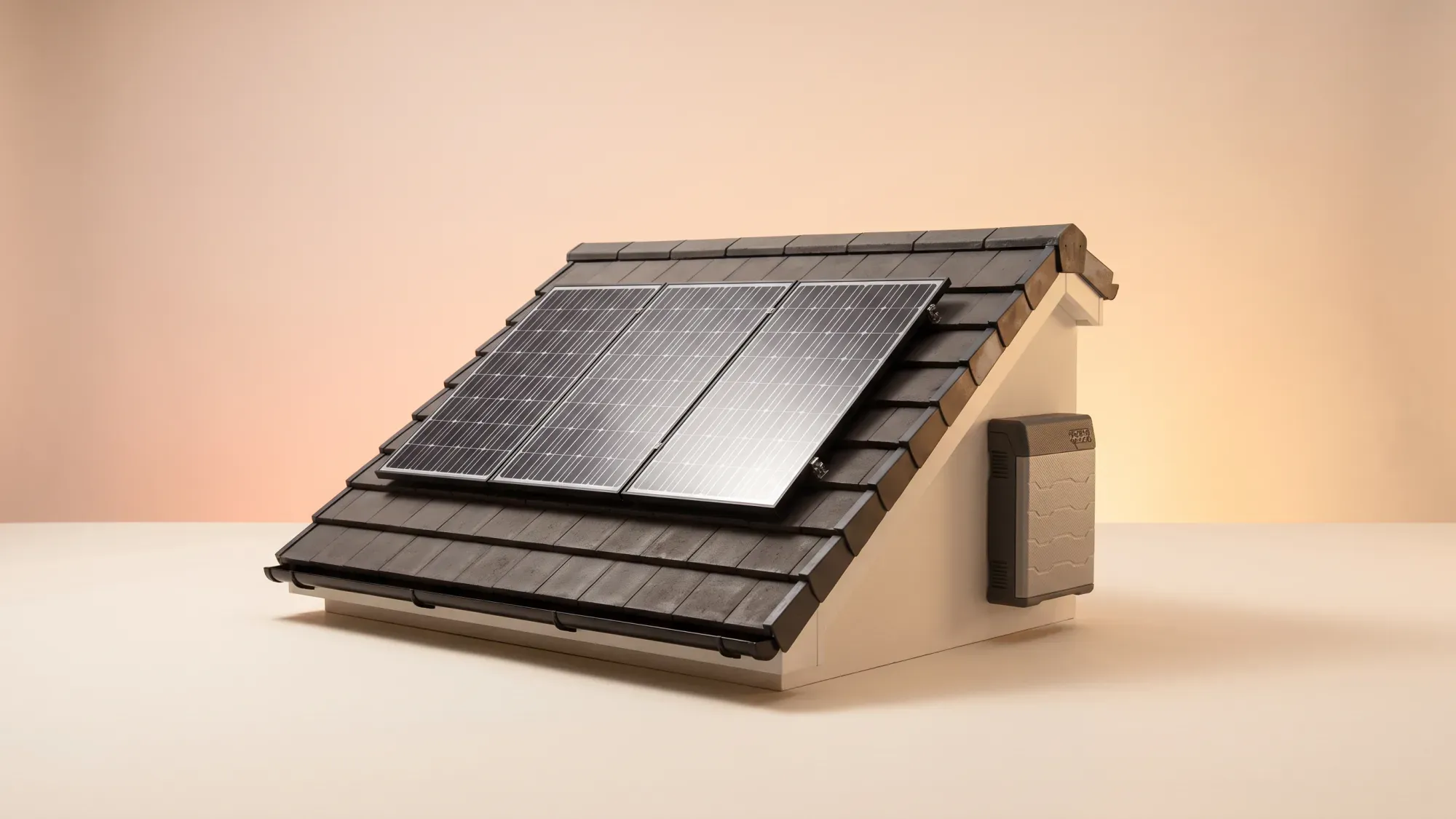
Solar PV panels are the cornerstone of most zero energy bill homes. A typical 4kWp solar PV system in the UK can generate approximately 3,400 kWh of electricity annually. This output can often exceed the average UK home's electricity consumption of around 2,500 kWh per year1. However, generation peaks during daylight hours, meaning surplus energy needs to be managed effectively.
Home battery storage
Battery storage is crucial for maximising the self-consumption of your generated electricity. These systems store excess solar power produced during the day for use in the evenings or at night, reducing your reliance on grid imports when your panels are not generating. Home battery storage systems can typically store between 3 kWh and 10 kWh of electricity, with larger capacities available for homes with higher demand or electric vehicles.
Advanced energy efficiency measures
Before generating your own power, optimising your home's energy efficiency is paramount. Improving a home's EPC rating can significantly reduce energy consumption. This involves measures such as enhanced insulation for walls, lofts, and floors, draught-proofing, and installing high-performance windows and doors. These upgrades reduce the overall energy demand, making it easier for your solar PV system to meet your needs.
Smart energy management systems and heat pumps
Smart energy management systems are the brains of a zero energy bill home, optimising energy flow between solar panels, batteries, and the grid. They can intelligently decide when to store energy, use it, or export it based on your consumption patterns and dynamic energy tariffs. Integrating low-carbon heating solutions like heat pumps further enhances efficiency. Heat pumps can be up to three times more efficient than traditional gas boilers for heating, significantly reducing the energy required for warmth. You can learn more about air source heat pump efficiency to understand their benefits.
Your step-by-step path to a zero energy bill home
Embarking on the journey to a zero energy bill home can seem daunting, but a structured approach simplifies the process.
Assessing your home's potential
The first step is a thorough home energy audit. This assessment identifies your current energy consumption patterns, highlights areas of heat loss, and pinpoints opportunities for efficiency improvements. It provides a baseline and informs the most effective upgrades for your specific property.
Implementing energy efficiency upgrades
Following the audit, prioritise energy efficiency upgrades. This might include improving insulation, sealing draughts, upgrading to energy-efficient windows, or installing a heat pump. These measures reduce your overall energy demand, meaning you'll need to generate less electricity to reach your zero energy bill goal.
Generating and storing your own power
Once your home is as efficient as possible, install renewable energy generation, typically solar PV panels. Pair this with a suitable home battery storage system to capture and utilise your self-generated electricity, maximising your energy independence.
Optimising with smart tariffs and control
Finally, adopt a smart energy management system and choose a dynamic energy tariff. These systems allow you to monitor and control your energy usage in real-time, optimising when you draw power from the grid, use your stored energy, or export surplus electricity for financial benefit. Fuse supports homeowners with integrated solutions for solar, batteries, and smart tariffs, providing control and transparency to manage home energy effectively on the path to zero energy bills.
Costs, savings, and UK support for zero energy bills
While the upfront investment for a zero energy bill home can be significant, the long-term financial returns and available government support make it an increasingly viable option for UK homeowners.
Understanding the upfront investment
The cost of installing solar panels, battery storage, and undertaking energy efficiency upgrades varies widely depending on your home's size, current energy performance, and the technologies chosen. It's an investment in your home's future, designed to deliver substantial long-term savings.
Long-term financial returns
The financial benefits accumulate over time through reduced or eliminated energy bills. With dynamic tariffs, you can also earn income by exporting surplus electricity to the grid. These savings, combined with potential increases in property value, contribute to a strong return on investment.
Government grants and incentives
The UK government offers various schemes to support the adoption of low-carbon technologies. The Boiler Upgrade Scheme (BUS), for example, provides grants to encourage property owners in England and Wales to replace fossil fuel heating systems with more efficient, low-carbon alternatives like heat pumps. Grants of £7,500 are available for air source and ground source heat pumps, and £5,000 for biomass boilers. You can find out more about the air source heat pump grant for further details.
The role of Smart Export Guarantee (SEG)
The Smart Export Guarantee (SEG) ensures that small-scale low-carbon generators are paid for the electricity they export to the grid. This means that any surplus electricity your solar panels generate and you don't use or store can be sold back to your energy supplier, providing an additional revenue stream and further contributing to your zero energy bill goal. SEG tariffs must always be above zero.
The future of home energy: abundance and control
The shift towards zero energy bill homes represents a fundamental change in our relationship with energy, moving from a mindset of scarcity to one of abundance and control.
Empowering homeowners with data
Modern energy management systems, often accessible via intuitive apps, empower homeowners with real-time data on their energy generation and consumption. This transparency allows you to make informed decisions, optimise your usage, and truly understand your home's energy ecosystem. Fuse's app, for instance, provides the control and transparency needed to manage a zero energy bill home effectively.
Contributing to a greener grid
By generating your own clean energy and intelligently managing its use, you're not only benefiting your household but also contributing to a more sustainable and resilient National Grid. Every zero energy bill home helps reduce demand on fossil fuels and supports the transition to a greener energy infrastructure.
Fuse Energy's vision for energy independence
Fuse Energy envisions a future where energy is so abundant it stops being a concern. By supporting homeowners on their journey to energy independence, Fuse aims to free them from energy anxiety and give them control over their energy future. This integrated approach, combining solar, batteries, and smart tariffs with 24/7 human customer support, is designed to empower homeowners to gain complete control over their energy future.
Managing your energy bills should be clear and easy to understand. Fuse Energy focuses on straightforward pricing, so you can see exactly what you're paying without unnecessary complexity. If you have a smart meter, you can view detailed usage data through the app or website, helping you understand how you can lower your bills. If you don't have a smart meter, Fuse Energy can upgrade your non-smart meter, completely for free. This can make it easier to track spending and make informed decisions about your energy use. Our 24/7 human support team is always on hand with fast response times whenever you need help. Click here to switch to Fuse Energy today. Find out about our mission by clicking here.
References
Disclaimer
For the avoidance of doubt, this article is provided for informational purposes only and is not intended to constitute legal or financial advice. The author and/or Fuse Energy shall not be responsible for any losses arising out of any reliance on the information contained herein.