Wood burning stove cost: gas or electricity?
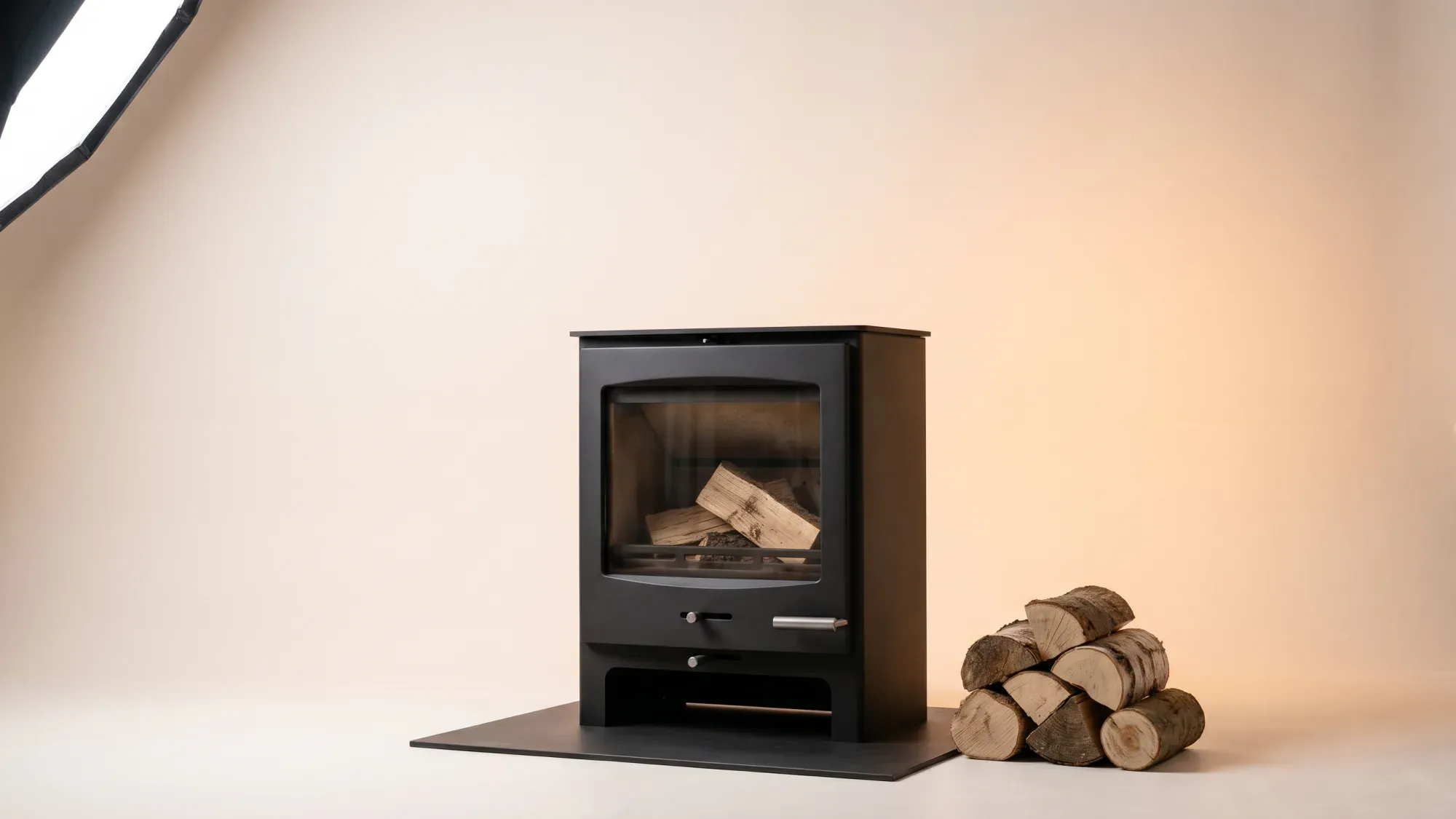
Heating your home in the UK can be a significant expense, leading many to consider wood burning as a potentially cheaper alternative to gas and electricity. However, the true cost of wood heating extends beyond the price of logs, encompassing substantial upfront investments, ongoing labour, and environmental considerations that are often overlooked. This guide provides a data-driven comparison to help you make an informed decision about the most cost-effective and practical heating solution for your home.
Considering a switch to a modern energy supplier? Fuse Energy offers transparent tariffs and a digital-first experience designed to make managing your home's energy simpler. Click here to get started.
Enter your address to get a quote and see how much you could save
The true cost of wood heating in the UK
The appeal of wood burning often stems from the perceived low cost of the fuel itself. Yet, a comprehensive look reveals a more complex financial picture. The total cost of wood heating includes the initial purchase and installation of a stove, ongoing fuel costs, storage requirements, and regular maintenance.
Upfront investment: stove and installation costs
The first hurdle for anyone considering wood heating is the significant upfront investment. A typical wood burning stove and its installation in the UK can cost approximately £2,500 to £4,000, depending on the stove model and the complexity of the installation. This cost covers not only the stove itself, but also the flue system, hearth, and professional installation by a HETAS-registered engineer to ensure compliance with Building Regulations Part J. This initial outlay is considerably higher than the negligible upfront cost associated with continuing to use existing gas or electricity central heating systems.
Ongoing fuel expenses: logs, delivery, and storage
Once installed, the ongoing cost of wood fuel is a primary concern. A net bag of kiln-dried hardwood typically costs around £7 to £12 in UK supermarkets or DIY stores. Bulk purchases often offer better value; for example, a 300kg bulk bag of kiln-dried hardwood logs can cost around £190. Kiln-dried hardwood logs typically yield around 4.7-5 kilowatt-hours (kWh) per kilogram.
Beyond the purchase price, consider delivery fees, which can add a significant amount, especially for smaller orders or remote locations. Adequate, dry storage space is also essential. Wood needs to be kept dry to burn efficiently and minimise emissions, meaning a shed or log store is often a necessary additional expense.
Hidden costs: maintenance, labour, and efficiency
The financial calculation for wood heating must also factor in less obvious expenses. Annual chimney sweeping is crucial for safety and efficiency, typically costing between £70 and £120. Regular maintenance and potential repairs to the stove or flue system also contribute to the overall cost.
Furthermore, the labour involved in wood heating is substantial. This includes stacking and storing logs, carrying them indoors, and regularly loading the stove. Unlike gas or electric heating, which requires minimal interaction, wood burning demands consistent physical effort and time. Stove efficiency can also vary widely, with older models or those not maintained properly delivering less useful heat for the fuel consumed.
Wood vs electricity and gas: a direct comparison
To truly assess if wood is cheaper, a direct comparison with modern electricity and gas prices is essential, accounting for unit costs, system efficiency, and the convenience of each heating method.
Understanding unit costs: wood, electricity, and gas
For the period 1 July to 30 September 2026, the Ofgem Price Cap for a typical Direct Debit customer sets the electricity unit rate at 26.11p per kWh and the gas unit rate at 7.33p per kWh. Comparing these directly to the cost per kWh of wood fuel is complex. If kiln-dried hardwood yields approximately 4.85 kWh per kilogram and a 300kg bulk bag costs £190, the raw fuel cost is approximately 13.05p per kWh. However, this figure does not account for stove efficiency, delivery, storage, or labour.
Factoring in system efficiency and useful heat output
The quoted energy yield of wood represents its theoretical energy content. However, a wood burning stove's efficiency, which can range from 70% to over 85% for modern Ecodesign models, means a portion of that energy is lost up the chimney or as unburnt fuel. This reduces the 'useful' heat delivered to your home. In contrast, a modern gas boiler typically operates at over 90% efficiency, with some condensing boilers reaching as high as 98.5%. Electric heating is almost 100% efficient at the point of use, as all the electricity drawn is converted into heat. This difference in useful heat output significantly impacts the true cost-effectiveness.
The convenience and predictability of modern energy tariffs
Gas and electricity tariffs offer predictable unit rates and standing charges, with transparent billing. The average UK home uses around 2,500 kWh of electricity and 9,500 kWh of gas per year. This consumption is easily tracked and managed through smart meters and digital apps. Wood heating, conversely, involves the constant 'quiet arithmetic' of managing fuel stock, anticipating usage, and dealing with the physical demands of burning. Modern energy tariffs, particularly those managed digitally, remove much of this burden.
Environmental impact and regulations for wood burning
Beyond cost, the environmental implications and regulatory landscape of wood burning are critical considerations for UK homeowners.
Air quality concerns: particulate matter emissions
Wood burning stoves are a significant source of fine particulate matter (PM2.5) emissions, contributing to air pollution. These tiny particles can penetrate deep into the lungs and bloodstream, impacting public health. While modern stoves are more efficient and produce fewer emissions than older models, they still release pollutants, particularly during start-up and refuelling. This environmental trade-off is a key factor when evaluating wood heating.
What are PM2.5 emissions from wood burning?
PM2.5 refers to fine particulate matter, tiny airborne particles 2.5 micrometres or less in diameter. These are released during wood burning and can cause respiratory and cardiovascular health problems. While modern stoves reduce emissions, they still contribute to local air pollution, especially in urban areas.
Smoke control areas and 'Ready to burn' wood
The UK government's Clean Air Strategy aims to reduce emissions from domestic burning. This includes restrictions in Smoke Control Areas, where only authorised fuels or exempt appliances (such as Ecodesign stoves) can be used. Furthermore, only 'Ready to Burn' certified wood with a moisture content below 20% should be used in wood burning stoves to minimise emissions and ensure efficient burning. Using unseasoned or wet wood drastically increases particulate emissions and reduces heat output.
Building regulations for stove installation
Installation of wood burning stoves must comply with Building Regulations, particularly Part J (combustion appliances and fuel storage systems). This ensures the safe installation of the appliance, flue, and chimney, as well as adequate ventilation. Failure to comply can lead to safety hazards and issues with home insurance or resale.
Beyond the log pile: a modern approach to home heating
The decision to heat with wood often involves a romanticised view of a crackling fire, but the reality is far more demanding than the simple flick of a switch.
The 'quiet arithmetic' of traditional heating
Traditional heating methods like wood burning require constant management: sourcing, storing, and processing fuel, as well as cleaning and maintaining the appliance. This 'quiet arithmetic' of daily tasks contrasts sharply with the ease of modern central heating systems. While some enjoy the ritual, for many, it represents a significant time commitment and physical effort that detracts from the perceived cost savings.
Transparent tariffs and digital control with Fuse Energy
Fuse Energy offers a different approach to home heating. By focusing on electricity and gas supply, Fuse provides transparent tariffs and a digital-first experience through its app. This allows homeowners clear visibility and control over their energy consumption and costs, eliminating the guesswork and physical labour associated with wood fuel. The app provides real-time data, making it easier to manage usage and budget effectively.
Simplifying your home energy management
Fuse Energy's focus on modern, efficient energy solutions aims to simplify home energy management. Instead of the complexities of sourcing and storing wood, or the environmental concerns of particulate emissions, homeowners can rely on predictable billing and easy-to-understand tariffs. This approach positions modern electricity and gas as a less burdensome alternative, offering a simpler, more predictable, and less labour-intensive way to heat your home.
Ultimately, deciding whether wood is cheaper for heating requires a careful assessment of your personal circumstances and priorities. While the raw cost of wood fuel might appear competitive, the total cost of ownership, including significant upfront investment, ongoing maintenance, and the considerable labour involved, often makes it a more expensive and less convenient option than gas or electricity.
Consider the environmental impact, particularly particulate emissions, and local regulations that may restrict wood burning. For many UK homeowners, the predictability, transparency, and ease of modern electricity and gas tariffs, especially when managed through digital platforms, offer a more genuinely cost-effective and hassle-free solution for home heating.
Ready to take control of your home energy? Switch to Fuse Energy today for clear pricing, real-time usage data, and 24/7 human customer support. Our digital-first approach makes managing your electricity and gas simple and transparent. Click here to get started.
Disclaimer
For the avoidance of doubt, this article is provided for informational purposes only and is not intended to constitute legal or financial advice. The author and/or Fuse Energy shall not be responsible for any losses arising out of any reliance on the information contained herein.