White meter heating and the RTS switch-off
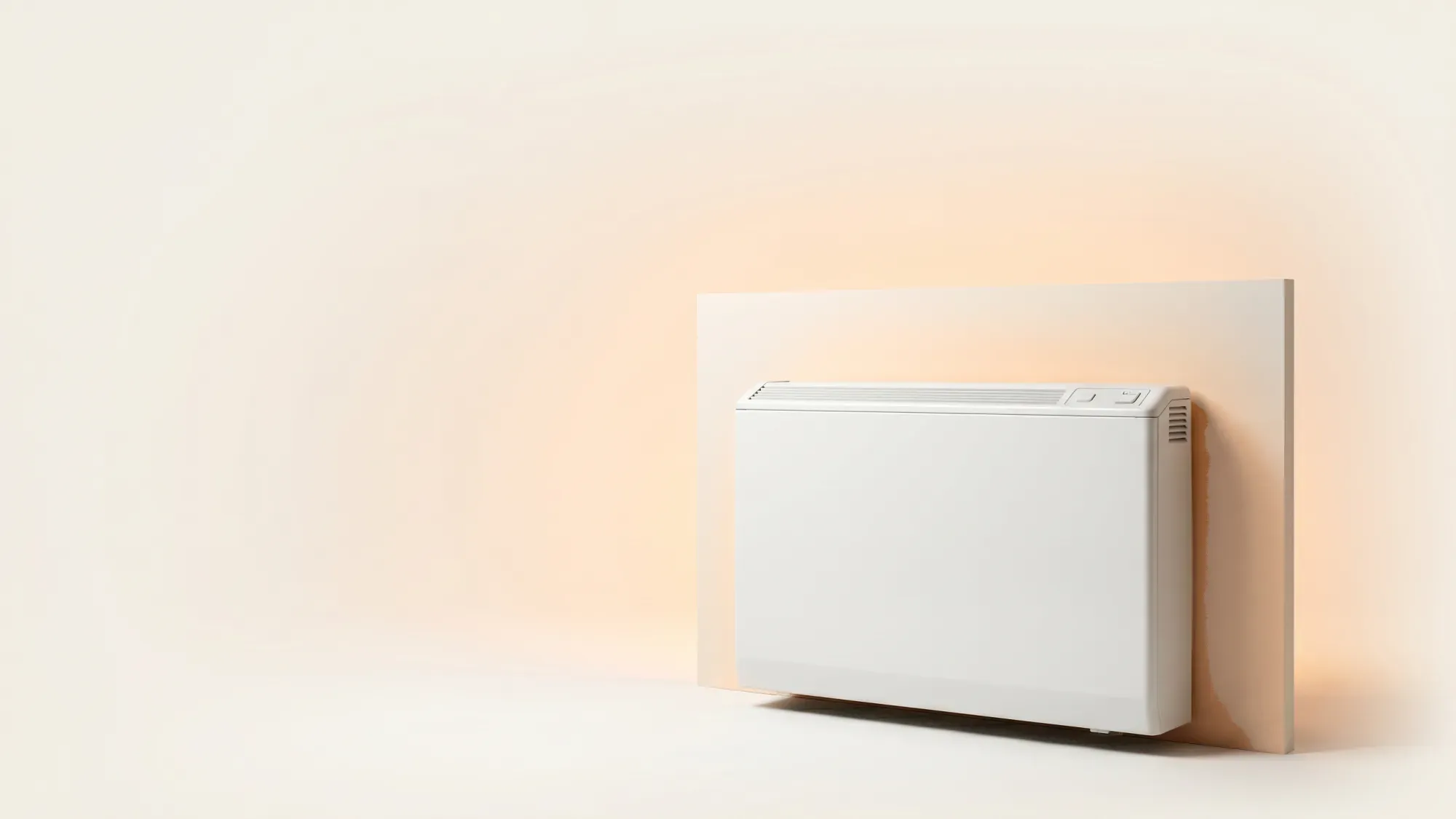
White meter heating systems, often found in older UK homes, use a legacy electricity meter to provide cheaper off-peak electricity, typically for storage heaters. However, the Radio Teleswitch Service (RTS) that controls many of these meters is being phased out across the UK, with the switch-off beginning on 30 June 2025. This guide offers practical, reassuring advice for homeowners and tenants navigating this mandatory transition, helping you understand your options and move towards a modern energy setup.
If you're navigating the transition from white meter heating, understanding your options is key. Once your current supplier has replaced your old meter with a smart meter, you can explore modern tariffs and manage your energy more effectively. Click here to see how Fuse Energy can help you take control of your energy bills.
Enter your address to get a quote and see how much you could save
What is white meter heating?
White meter heating refers to an older electricity metering system designed to take advantage of cheaper electricity rates during off-peak hours. These meters are distinct from standard single-rate meters because they measure electricity consumption at different times of the day, allowing for varied pricing.
How it differs from standard tariffs
Unlike standard tariffs that charge a single unit rate for electricity 24 hours a day, white meter tariffs operate on a dual-rate structure. This means you pay one price for electricity used during designated off-peak hours (usually overnight) and a higher price during peak hours (daytime). The idea was to encourage the use of electricity-intensive appliances, like storage heaters, when demand on the grid was lower.
Common appliances used with white meters
The most common appliance associated with white meter heating is the storage heater. These heaters contain ceramic bricks that heat up overnight using the cheaper off-peak electricity and then slowly release that heat throughout the day. Other appliances, such as immersion heaters for hot water, were also often wired to take advantage of the off-peak rates.
The RTS switch-off explained
The impending switch-off of RTS is a significant change for many white meter users. Understanding what RTS is and why it is being decommissioned is the first step towards a smooth transition.
What is the radio Teleswitch service (RTS)?
RTS is a legacy system that uses longwave radio signals to remotely switch electricity meters between different tariff rates, typically for off-peak heating. This system has been in operation for decades, allowing energy suppliers to control when certain appliances, like storage heaters, draw power at cheaper rates.
Why is RTS being switched off?
The RTS technology is outdated and increasingly unreliable. Maintaining this old infrastructure is no longer sustainable, leading to an industry-wide decision to phase out the service. Ofgem, the UK's energy regulator, oversees this mandatory phase-out, requiring energy suppliers to replace affected RTS meters with smart meters.
What does the RTS switch-off mean for you?
RTS phase-out began on 30 June 2025. If you have an RTS meter, your current energy supplier is responsible for replacing it with a modern smart meter. This upgrade is typically provided at no additional cost to you. Delaying action could lead to potential disruption in your heating control or tariff issues, as your meter will no longer receive the signals to switch between peak and off-peak rates.
When did the RTS switch-off begin?
RTS phase-out, which affects many legacy white meters, officially began on 30 June 2025. Energy suppliers are now mandated to replace these meters with smart meters to ensure customers can continue to access appropriate tariffs and avoid disruption to their heating systems.
How white meters work
White meters are designed to help you manage your energy costs by offering different rates at different times. This section explains the mechanics and how they compare to other meter types.
Understanding peak and off-peak rates
The core principle of a white meter is its ability to differentiate between peak and off-peak electricity consumption. Peak rates apply during times of high demand, typically daytime and early evening, when electricity is more expensive. Off-peak rates, conversely, are offered during periods of lower demand, usually overnight, making electricity cheaper. This encourages users to run high-consumption appliances during these quieter times.
Reading your white meter
Reading a white meter can be slightly different from a standard meter because it often has multiple registers or displays to show your consumption for both peak and off-peak periods. You might see two sets of numbers, one labelled "low" or "night" (for off-peak) and another labelled "normal" or "day" (for peak). To get a full reading, you will need to note down both sets of figures. Some older meters might require you to press a button to cycle through the different readings. For more detailed guidance, you can learn how to read your meter.
White meter vs Economy 7
White meters and Economy 7 meters are often confused because both offer dual-rate tariffs. The key difference historically lay in their control mechanisms and the number of hours of off-peak electricity. Economy 7 meters typically provide seven hours of off-peak electricity, often controlled by an internal timer. White meters, especially those controlled by RTS, could have more complex switching patterns, sometimes offering more than one off-peak period or different durations. However, with the RTS switch-off, the distinction becomes less relevant as all will transition to smart meters. Dual-rate tariffs require either a smart meter or a multi-register dumb meter. You can find out more about Economy 7 tariffs explained.
Benefits and drawbacks of white meter heating
White meter heating has served many households well for decades, but like any system, it comes with its own set of advantages and limitations.
Advantages of off-peak electricity
Historically, the main advantage of white meter heating was access to significantly cheaper off-peak electricity rates. This allowed households, particularly those with storage heaters, to heat their homes at a lower cost by charging up overnight. For those who could shift a large portion of their electricity use to these off-peak periods, it offered a tangible way to manage energy bills.
Disadvantages and limitations
The primary drawback now is the reliance on outdated technology, specifically the RTS, which is being switched off. This means white meters are becoming obsolete. Without the RTS signal, the meter cannot correctly switch between peak and off-peak rates, potentially leading to incorrect billing or a loss of the cheaper tariff. Furthermore, white meters offer less flexibility compared to modern smart meters, which can support a wider range of time-of-use tariffs and provide real-time energy consumption data.
Transitioning from a white meter to a smart meter
The transition from a white meter to a smart meter is a mandatory upgrade for those affected by the RTS switch-off. It is a straightforward process designed to ensure you maintain access to appropriate tariffs and benefit from modern energy management tools.
Your current supplier's role in the upgrade
Your current energy supplier is responsible for arranging and carrying out the smart meter replacement. This upgrade is typically free of charge. They will contact you to schedule an appointment for the smart meter installation. It is important to respond to their communications to avoid any disruption to your energy supply or tariff. Ofgem, the UK's energy regulator, has provided guidance on the industry-wide RTS phase-out, emphasising suppliers' responsibility.
What to expect during a smart meter installation
An engineer will visit your home to replace your old white meter with a new smart meter. They will ensure everything is working correctly and explain how to use your new meter and any in-home display (IHD) that comes with it.
Benefits of a smart meter for your home
Modern smart meters offer several advantages over traditional white meters. They send meter readings directly to your supplier, eliminating the need for manual readings and ensuring accurate bills. They also provide you with much clearer information about your energy consumption, often through an in-home display or an app, helping you understand where your energy goes. This greater visibility can empower you to make informed decisions about your energy use and potentially save money.
Managing your energy with a smart meter
Once you have a smart meter installed, you unlock new ways to manage your energy and potentially reduce your bills.
Accessing modern time-of-use tariffs
Smart meters enable access to a wider range of modern time-of-use tariffs, which are more sophisticated than traditional dual-rate tariffs. These can include tariffs with multiple peak and off-peak periods throughout the day, or even tariffs that adjust prices based on real-time grid demand. This flexibility allows you to optimise your energy usage even further, aligning with when electricity is cheapest and cleanest.
Monitoring your energy use with an app
Many energy suppliers, including Fuse Energy, offer dedicated apps that connect with your smart meter data. These apps provide clear insights into your energy consumption, often in near real-time. You can see how much electricity you are using, how much it is costing, and identify patterns in your usage. This transparency gives you greater control and clarity over your energy, helping you identify areas where you can make changes to save money.
Getting support for your new smart meter
Navigating new technology can sometimes feel daunting, but support is readily available. Your energy supplier should provide guidance on how to use your new smart meter and its associated in-home display or app. Companies like Fuse Energy also offer 24/7 human customer support, which can be invaluable for those who prefer to speak to someone directly when they have questions or need assistance. This ensures you are never left without help as you adjust to your new energy system.
Once your current supplier has replaced your white meter with a smart meter, you will be ready to experience the future of energy. Fuse Energy offers transparent tariffs, greater control over your energy use through our app, and reliable 24/7 human support. Switching to Fuse is quick and easy, allowing you to manage your energy effectively from day one. Click here to switch to Fuse Energy today and discover a smarter way to power your home. You can also learn more about our mission to make energy simple and sustainable here.
Disclaimer
For the avoidance of doubt, this article is provided for informational purposes only and is not intended to constitute legal or financial advice. The author and/or Fuse Energy shall not be responsible for any losses arising out of any reliance on the information contained herein.