What uses the most electricity in a house? Around 26.11p per kWh
Understanding which appliances consume the most electricity is key to taking control of your energy bills. This article identifies the top electricity consumers in UK homes and explains how you can track and manage your consumption using smart technology. Knowing these major energy users and how the current electricity unit rate translates into running costs will empower you to optimise your energy usage.
Managing your home's electricity use effectively starts with knowing where your energy goes. Fuse Energy helps you track your usage in real-time, allowing you to pinpoint energy-hungry devices and make smarter choices. Click here to see how easy it is to get started.
Enter your address to get a quote and see how much you could save
Understanding your home's electricity consumption
Effective energy management begins with identifying where your electricity goes. This involves understanding typical household consumption and recognising the appliances that demand the most power.
The average UK household's electricity use
The average UK home uses around 2,500 kilowatt-Hours (kWh) of electricity per year, which works out to roughly 6.8 kWh per day. This figure is Ofgem's medium Typical Domestic Consumption Value (TDCV), effective from 1 July 2026, and serves as a benchmark for households to compare their energy usage. Your actual consumption will vary based on factors unique to your home and lifestyle, but this baseline helps put individual appliance usage into perspective.
How electricity unit rates impact your bill
The cost of your electricity directly depends on the unit rate charged by your supplier. For a Direct Debit customer on the Ofgem price-cap default tariff, the electricity unit rate is 26.11p per kWh, inclusive of 5% VAT, effective from 1 July 2026. This rate directly translates appliance usage into running costs: every kWh an appliance consumes costs you 26.11p. Understanding this direct link is crucial for managing your energy expenditure.
Top electricity-consuming appliances in UK homes
Certain appliances consistently rank as the highest electricity consumers in UK households due to their power demands or frequency of use. Identifying these "energy hogs" is the first step towards reducing your overall consumption.
Tumble dryers and washing machines
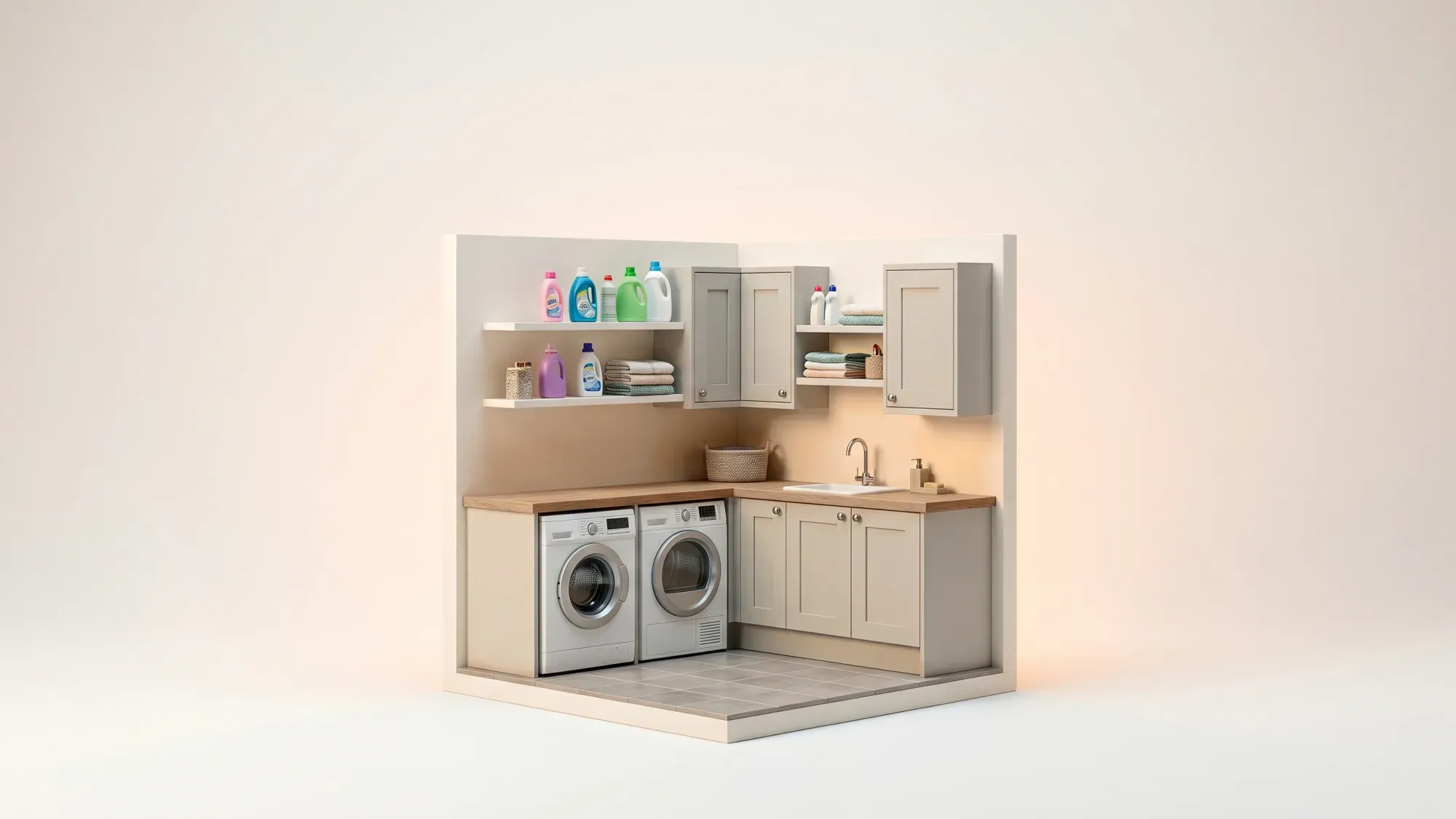
Tumble dryers are often one of the highest electricity consumers in a home. A typical tumble dryer can use between 2.5 kWh and 5 kWh per cycle, depending on its type and efficiency. This high consumption is due to the heat required to dry clothes. Washing machines, while less energy-intensive than dryers, still contribute significantly, especially with frequent use or hot wash cycles.
Electric showers and immersion heaters
Electric showers and immersion heaters are major electricity users because they heat water on demand. Electric showers can consume between 7.5 kWh and 10.5 kWh per hour of use, depending on their power rating. Immersion heaters, which store and heat water, also draw substantial power when active. Their high wattage means even short periods of use can add up quickly.
Ovens and hobs
Electric ovens and hobs require considerable electricity to generate and maintain high temperatures for cooking. While their usage is typically intermittent, the wattage of these appliances means they can quickly become significant contributors to your bill, especially for households that cook frequently.
Dishwashers and kettles
Dishwashers, particularly those without eco-settings or used on intensive cycles, consume a notable amount of electricity, primarily for heating water. Kettles, while used for short bursts, are high-wattage appliances that draw a lot of power quickly. Frequent boiling of water can make them a surprising contributor to your daily electricity use.
The hidden electricity users
Not all electricity consumption is obvious. Many devices draw power even when not actively in use, creating a "phantom load" that can silently increase your bills over time.
Standby power and "phantom load"
Standby power, also known as "phantom load" or "vampire drain", refers to the electricity consumed by devices when they are switched off but still plugged in. Devices like televisions, game consoles, and phone chargers often continue to draw a small amount of power in standby mode. Cumulatively, this can add up to a significant amount over a year.
What is phantom load?
Phantom load is the electricity consumed by electronic devices when they are turned off but still plugged into the mains. This "always-on" power draw, though small per device, can cumulatively add up to a noticeable portion of your electricity bill over time, often without you realising it.
Broadband routers and other always-on devices
Broadband routers, digital set-top boxes, and smart home hubs are designed to be always on, ensuring continuous connectivity and service. While essential, these devices contribute to your base electricity consumption 24/7. Their constant operation means they can be a consistent, albeit small, drain on your energy.
Older appliances and inefficient models
Older appliances, particularly those manufactured before modern energy efficiency standards, tend to be less efficient than their newer counterparts. They often lack advanced power-saving features and may have degraded performance, leading to higher electricity consumption for the same task. Replacing very old or inefficient models can offer long-term savings.
Calculating appliance running costs
Understanding how to calculate the running cost of your appliances puts you in control of your energy spending.
Simple formula for estimating usage
To estimate the running cost of an appliance, you need two pieces of information: the appliance's power rating (in watts) and your electricity unit rate.
The formula is: (Appliance Wattage / 1000) x Hours Used x Cost per kWh = Running Cost
For example, a 2,000-watt (2 kW) electric heater used for 1 hour at a unit rate of 26.11p/kWh would cost: (2000 / 1000) x 1 x 0.2611 = £0.52 (or 52p) per hour.
This simple calculation allows you to quickly assess the impact of different appliances on your bill.
Factors influencing actual costs
While the formula provides a good estimate, actual costs can vary. Factors such as the appliance's age, its energy efficiency rating, the specific settings used (e.g., eco-mode on a dishwasher), and how frequently it is used all play a role. For instance, a washing machine on a cold wash cycle will use significantly less electricity than one on a hot wash.
Tools for real-time tracking
Smart meters and energy monitoring tools provide real-time data, enabling homeowners to identify and manage high-consumption devices effectively. The Fuse app, for example, offers real-time visibility into your energy usage, helping you pinpoint exactly which appliances are drawing the most power at any given moment. This immediate feedback empowers you to make informed decisions and adjust your habits for greater efficiency. You can also gain a deeper understanding of your energy expenditure by reviewing your energy bill.
Strategies for reducing electricity use
Reducing electricity consumption does not have to mean sacrificing comfort. Smart strategies can help you cut down on your energy bills without drastic changes to your lifestyle.
Optimising appliance usage
Simple changes in how you use your appliances can lead to significant savings. For high-consumption items like tumble dryers, consider using them less frequently or opting for air-drying when possible. For electric showers, reducing shower time can have a direct impact. For ovens, batch cooking can make more efficient use of the heat generated. Unplugging devices from the wall when not in use can eliminate phantom load. For more ideas, explore these energy saving tips for winter.
Investing in energy-efficient models
When it is time to replace an appliance, investing in an energy-efficient model can lead to substantial long-term savings. Look for appliances with high energy ratings (e.g., A-rated or higher) as these are designed to perform the same tasks using less electricity. While the initial cost might be higher, the reduced running costs often make them a more economical choice over their lifespan.
Leveraging smart technology and smart meters
Smart technology offers powerful tools for managing your electricity consumption. Smart meters provide accurate, real-time data on your energy usage, allowing you to see the impact of your actions instantly. The Fuse app takes this a step further, offering detailed insights and helping you identify patterns of waste. This level of visibility empowers you to make informed choices, shifting your energy consumption to more efficient times or reducing usage where it is most impactful. Fuse also facilitates free smart meter installation for eligible homes, which are essential for accurate, real-time tracking of electricity consumption.
Managing your energy should be straightforward and transparent. Fuse Energy provides clear pricing, real-time usage data through our app, and 24/7 human customer support to help you make sense of your energy consumption. Our digital-first approach is designed to give you control and help you save. Switching to Fuse is quick and easy, so you can start optimising your energy use today. Click here to switch to Fuse Energy and discover a smarter way to manage your home's electricity.
Disclaimer
For the avoidance of doubt, this article is provided for informational purposes only and is not intended to constitute legal or financial advice. The author and/or Fuse Energy shall not be responsible for any losses arising out of any reliance on the information contained herein.