The Targeted Charging Review (TCR) is a significant regulatory reform by Ofgem, the UK's energy regulator, designed to change how electricity network charges are levied across Great Britain. Its primary goal is to ensure these charges are fair, efficient, and support the ongoing transition to a smarter, more flexible energy system. This guide demystifies the TCR, explaining its impact on your household electricity bills and how you can maintain control over your energy costs.
Managing your energy bills should be clear and easy to understand. Fuse Energy focuses on straightforward pricing, so you can see exactly what you're paying without unnecessary complexity. Click here to switch to Fuse Energy today.
What are electricity network charges?
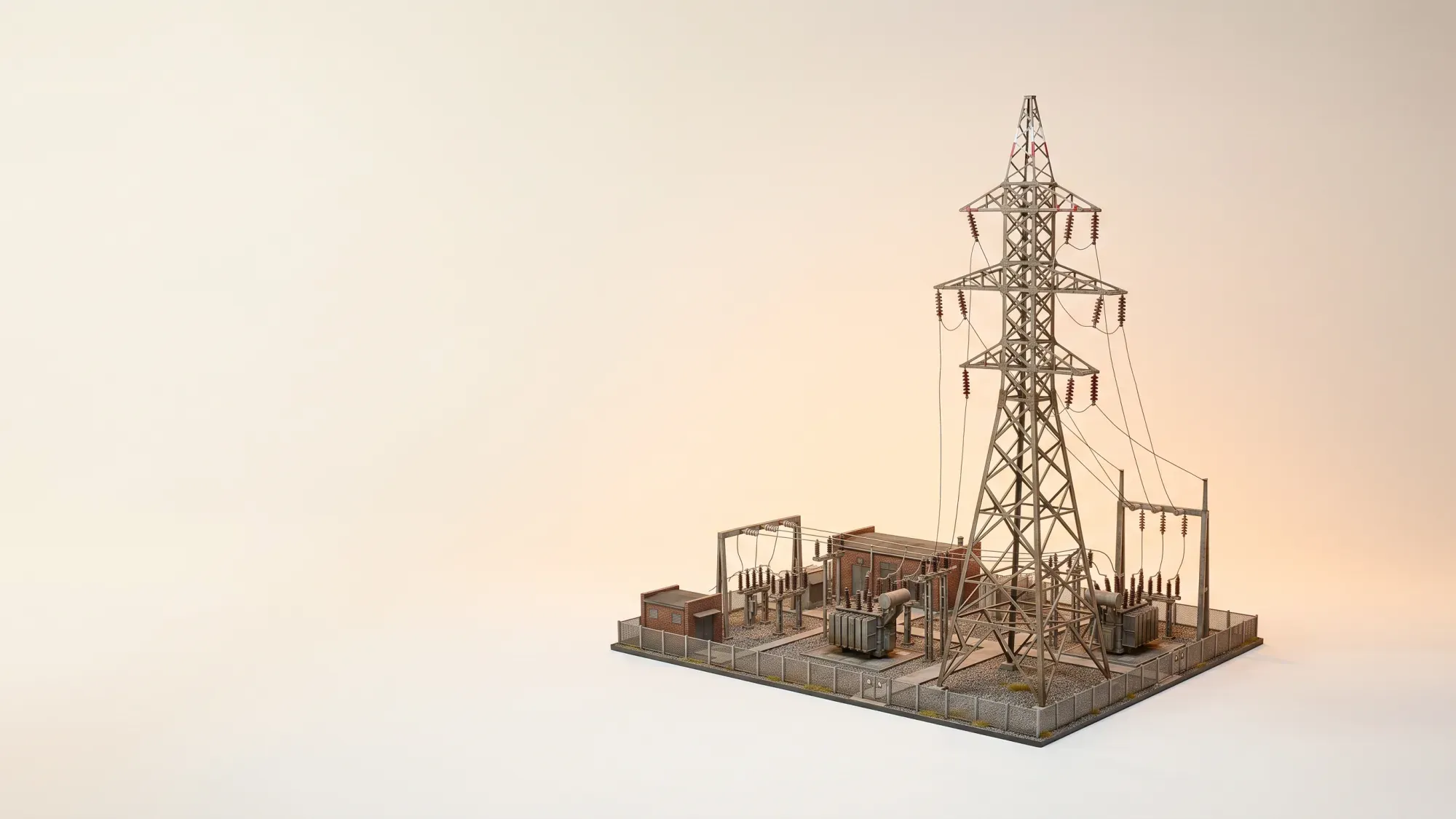
Electricity network charges are fees paid by all energy consumers to cover the costs of building, maintaining, and operating the UK's electricity transmission and distribution networks. These networks are the infrastructure of pylons, cables, and substations that transport electricity from power stations to your home. These charges are a component of your overall electricity bill, separate from the cost of the electricity itself.
Why is Ofgem reforming network charges?
Ofgem launched a Significant Code Review (SCR) called the TCR in August 2017. The regulator was concerned that the previous framework for recovering these network costs could lead to inefficient use of the networks and unfair outcomes for consumers. Specifically, some businesses were able to reduce their network charges by shifting their energy use away from peak times, meaning other consumers had to cover a larger share of the costs. The reforms aim to make network charges more cost-reflective, reduce market distortions, and support the UK's net-zero targets by encouraging a more efficient and flexible energy system.
The shift from variable to fixed charges
The core change introduced by the TCR is a shift in how some 'residual' network costs are recovered. Previously, a larger proportion of these costs were often recovered through variable charges, meaning you paid more the more electricity you used (per kilowatt-hour, or kWh). Under the TCR, a greater portion of these residual costs is now recovered through fixed charges, typically appearing as a daily standing charge on your bill. This means that consumers now pay a more consistent daily amount towards network maintenance, regardless of their consumption levels for that specific component of the charge.
Impact on different charge components
The TCR specifically reforms the residual element of Transmission Network Use of System (TNUoS) and Distribution Use of System (DUoS) charges. TNUoS charges cover the high-voltage national transmission system, while DUoS charges relate to the local distribution networks that deliver electricity to your home. The implementation was staggered: distribution charges came into effect on 1 April 2022, followed by transmission charges on 1 April 2023. This phased approach aimed to lessen the immediate impact on customer bills.
Direct impact on residential consumers
The changes brought about by the TCR impact all electricity consumers, including residential households, affecting their overall electricity bills. While the reforms were partly driven by issues observed with business energy use, the shift from variable to fixed charges affects how network costs are passed on to every household. The average UK home uses around 2,500 kWh of electricity per year, according to Ofgem's medium typical domestic consumption value, effective from 1 July 2026.
Potential changes to your unit rates and standing charge
With more network costs moving into fixed charges, you might see changes to the balance between your electricity unit rate (the cost per kWh) and your daily standing charge. For many, the standing charge component of their bill may have increased, while the unit rate might have seen a corresponding adjustment. However, the exact impact on your bill will depend on your energy supplier, your specific tariff, and your household's electricity consumption patterns. It is important to remember that the TCR aims to make charges fairer and more efficient across the board, rather than automatically increasing or decreasing bills for all.
Understanding your consumption patterns
To effectively manage your energy costs under the new charging structure, understanding your household's electricity consumption patterns is key. Knowing when and how you use electricity can help you identify opportunities for efficiency. This might involve reviewing your energy usage data, often available through smart meters or your energy supplier's app.
Exploring time-of-use tariffs and smart technology
With a greater emphasis on fixed charges, the benefits of time-of-use tariffs could become more pronounced for some households. These tariffs offer different prices for electricity at different times of the day, encouraging consumption during off-peak periods when demand on the grid is lower. Smart technology, such as smart meters and smart home devices, can help you monitor and manage your energy use more effectively, potentially allowing you to shift some consumption to cheaper times if you are on a time-of-use tariff.
Supporting a smarter, more flexible grid
The TCR is a step towards supporting a smarter, more flexible energy grid. By reforming network charges, Ofgem aims to create a system that can better integrate new technologies like renewable energy sources, electric vehicles, and battery storage. This supports the UK's broader energy goals, including achieving net-zero emissions.
Long-term benefits for consumers
While regulatory changes can sometimes feel complex, the long-term vision behind the TCR is to create a more robust and efficient energy system that ultimately benefits consumers. A smarter, more flexible grid can lead to more stable energy supplies, better integration of cleaner energy, and potentially new opportunities for consumers to manage and even generate their own power. Understanding these changes empowers homeowners to make informed choices and participate in the evolving energy landscape.
When did the TCR changes take effect?
Ofgem launched the TCR initiative in August 2017 and published its final decision on 21 November 2019. The TCR changes were implemented in two phases: distribution charges came into effect on 1 April 2022, and transmission charges followed on 1 April 2023.
Will TCR make my electricity bill higher?
The TCR aims to make network charges fairer and more efficient, not necessarily to increase or decrease bills for all households. The impact on your specific electricity bill depends on your individual consumption patterns, your energy supplier, and your tariff. While some households might see an increase in their standing charge, others may experience adjustments to their unit rates. Understanding your energy use and exploring different tariffs can help you manage any changes.