Controlling home heating with a smart thermostat
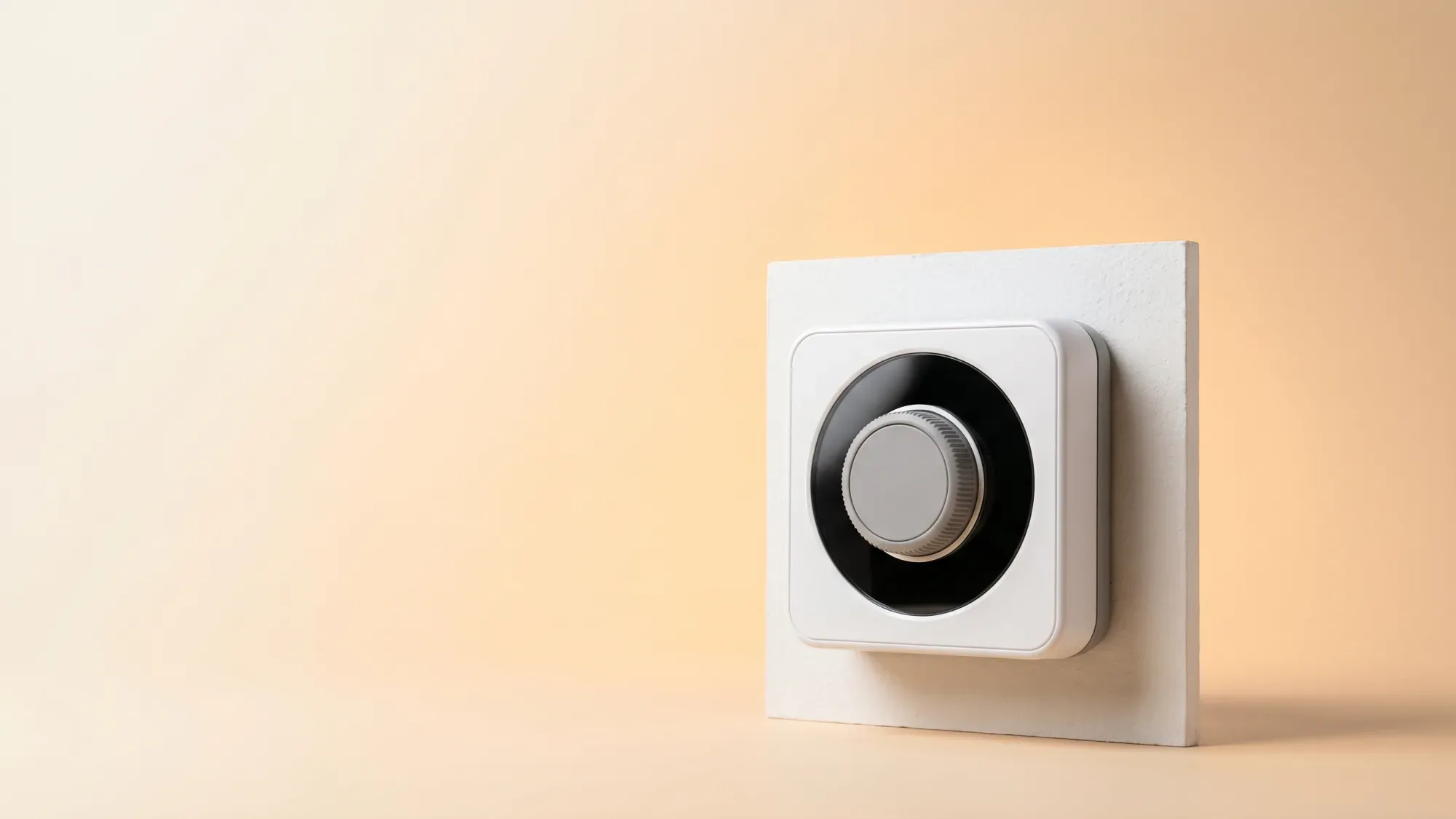
A smart thermostat offers a modern way to manage your home's heating, providing convenience, efficiency, and insight into your energy use. These devices empower you to take charge of your comfort and potentially reduce your energy bills.
Optimising your heating with a smart thermostat is a great step towards a more efficient home. Fuse Energy helps you make the most of your energy by providing clear pricing and regular usage data through our app. Click here to switch to Fuse Energy today.
Enter your address to get a quote and see how much you could save
Understanding smart thermostats
Beyond traditional thermostats
Unlike traditional programmable thermostats that simply follow a set schedule, smart thermostats are designed with advanced capabilities. They connect to your home's Wi-Fi, allowing for remote control and integration with other smart home devices. This connectivity enables features that go far beyond just setting a temperature, offering a more dynamic and responsive heating system.
Why consider smart heating control?
For homeowners and renters, smart thermostats address a core concern: managing home heating efficiently and reducing energy costs. Heating accounts for a significant portion of household energy bills in the UK. According to Ofgem, the average UK home uses around 9,500 kWh of gas per year and around 2,500 kWh of electricity per year. Smart thermostats help achieve this by adapting to your lifestyle, preventing unnecessary heating without compromising comfort.
How smart thermostats work
Connectivity and sensors
Smart thermostats connect to your home's Wi-Fi network, allowing them to communicate with a dedicated app on your smartphone or tablet. They often incorporate various sensors, such as temperature, humidity, and occupancy sensors, to gather data about your home environment. Some even use external weather data to anticipate heating needs.
Learning and adaptation
Many smart thermostats feature learning algorithms. These allow the device to observe your heating preferences and daily routines over time, automatically adjusting the schedule to match your habits. This means the thermostat can learn when you are typically home or away, and when you prefer certain temperatures, optimising heating without constant manual input.
Remote access and control
One of the primary advantages of a smart thermostat is the ability to control your heating remotely. Through a smartphone app, you can adjust temperatures, set schedules, or switch your heating on or off from anywhere with an internet connection. This provides unparalleled convenience, ensuring your home is warm when you arrive, or allowing you to save energy by turning down the heating if plans change.
Key features and benefits
Energy efficiency and cost savings
Smart thermostats are designed to make your heating system more efficient. By precisely controlling when and how your home is heated, they can reduce energy waste. Features like learning algorithms and remote control mean you only heat your home when necessary, potentially leading to noticeable savings on your energy bills.
How do smart thermostats save money?
Smart thermostats save money by optimising heating schedules based on your habits, presence, and external factors. This reduces energy waste from heating an empty home or maintaining an unnecessarily high temperature, leading to lower consumption and reduced energy bills.
Enhanced comfort and convenience
Beyond savings, smart thermostats significantly enhance home comfort. Remote access means you can always return to a warm home, while intelligent scheduling ensures consistent temperatures throughout the day. The ability to fine-tune your heating from your sofa, or even before you leave work, adds a layer of convenience traditional thermostats cannot match.
Geofencing and zoning capabilities
Geofencing uses your smartphone's location to determine if you are home or away. The thermostat can automatically adjust the temperature when you leave a set perimeter and begin warming your home as you approach, ensuring comfort upon arrival and saving energy when you are out. Multi-zone control allows you to heat different areas of your home to different temperatures, providing personalised comfort and further reducing energy consumption by not heating unused rooms.
Integration with smart home systems
Smart thermostats often integrate seamlessly with other smart home devices and platforms, such as voice assistants or smart lighting systems. This allows for a more cohesive smart home ecosystem, where your heating can respond to broader commands or routines, creating a truly automated and responsive living environment.
Compatibility and installation
Checking system compatibility
Before investing in a smart thermostat, it is crucial to check its compatibility with your existing heating system. Most smart thermostats work with common UK boiler types, including combi, system, and conventional boilers. However, some advanced features or specific models might require particular wiring (such as a C-wire) or system configurations. Always review the manufacturer's compatibility guide.
Installation considerations
Installation can vary in complexity. Some smart thermostats are designed for straightforward DIY installation, particularly if you are replacing a standard thermostat with similar wiring. Others, especially those with more complex features or requiring new wiring, might benefit from professional installation. Consider your comfort level with electrical work and the specific requirements of the chosen model.
Professional vs DIY setup
For many, a DIY setup is feasible with clear instructions. However, if you are unsure about wiring, dealing with your boiler, or if your system is particularly old or complex, professional installation is a safer bet. An accredited installer can ensure the thermostat is correctly wired, configured, and integrated with your heating system, optimising its performance and safety.
Maximising savings and comfort
Optimising your smart thermostat settings
Once installed, take the time to fine-tune your smart thermostat's settings. While learning algorithms are helpful, reviewing and adjusting schedules, temperature preferences, and geofencing parameters can further enhance efficiency and comfort. For more ways to reduce your energy consumption, explore our energy saving tips for your home.
Monitoring energy usage
Many smart thermostat apps provide detailed insights into your energy consumption patterns. By monitoring this data, you can identify periods of high usage, understand the impact of different settings, and make informed decisions to reduce your energy footprint. This transparency is key to truly understanding and managing your heating costs. You can also gain deeper insights by understanding your energy bill more thoroughly.
Smart thermostats and energy tariffs
Integrating your smart thermostat with smart meters and energy supplier apps can unlock deeper insights. Some energy tariffs, particularly time-of-use tariffs, offer cheaper electricity during off-peak hours. A smart thermostat can be programmed to take advantage of these tariffs, pre-heating your home when energy is cheaper, further maximising your savings. Homeowners often pair this with a smart meter installation to track usage.
Fuse Energy and your smart home
Seamless energy management with the Fuse app
Smart thermostats, when integrated with the Fuse app, provide homeowners with real-time visibility and control over their energy usage. Fuse's transparent app and control empower you to manage heating effectively, leading to comfort and savings without compromising on usage. This means you can see the direct impact of your smart thermostat on your consumption patterns and adjust accordingly.
Support for your smart home journey
Adopting new smart home technology like smart thermostats can sometimes raise questions. Fuse Energy offers 24/7 human customer support to provide peace of mind for homeowners. Whether you need help understanding your energy data or have queries about your account, our team is available to assist you.
Managing your home's heating efficiently is easier with the right tools and support. Fuse Energy is committed to providing clear pricing, real-time usage data, and 24/7 human customer support to help you make the most of your energy. Our app is designed to give you control and understanding over your energy consumption, helping you save money and live more comfortably. Click here to switch to Fuse Energy today and experience smarter energy management. You can also learn more about our mission to make energy abundant by clicking here.
Disclaimer
For the avoidance of doubt, this article is provided for informational purposes only and is not intended to constitute legal or financial advice. The author and/or Fuse Energy shall not be responsible for any losses arising out of any reliance on the information contained herein.