What is a fixed energy tariff?
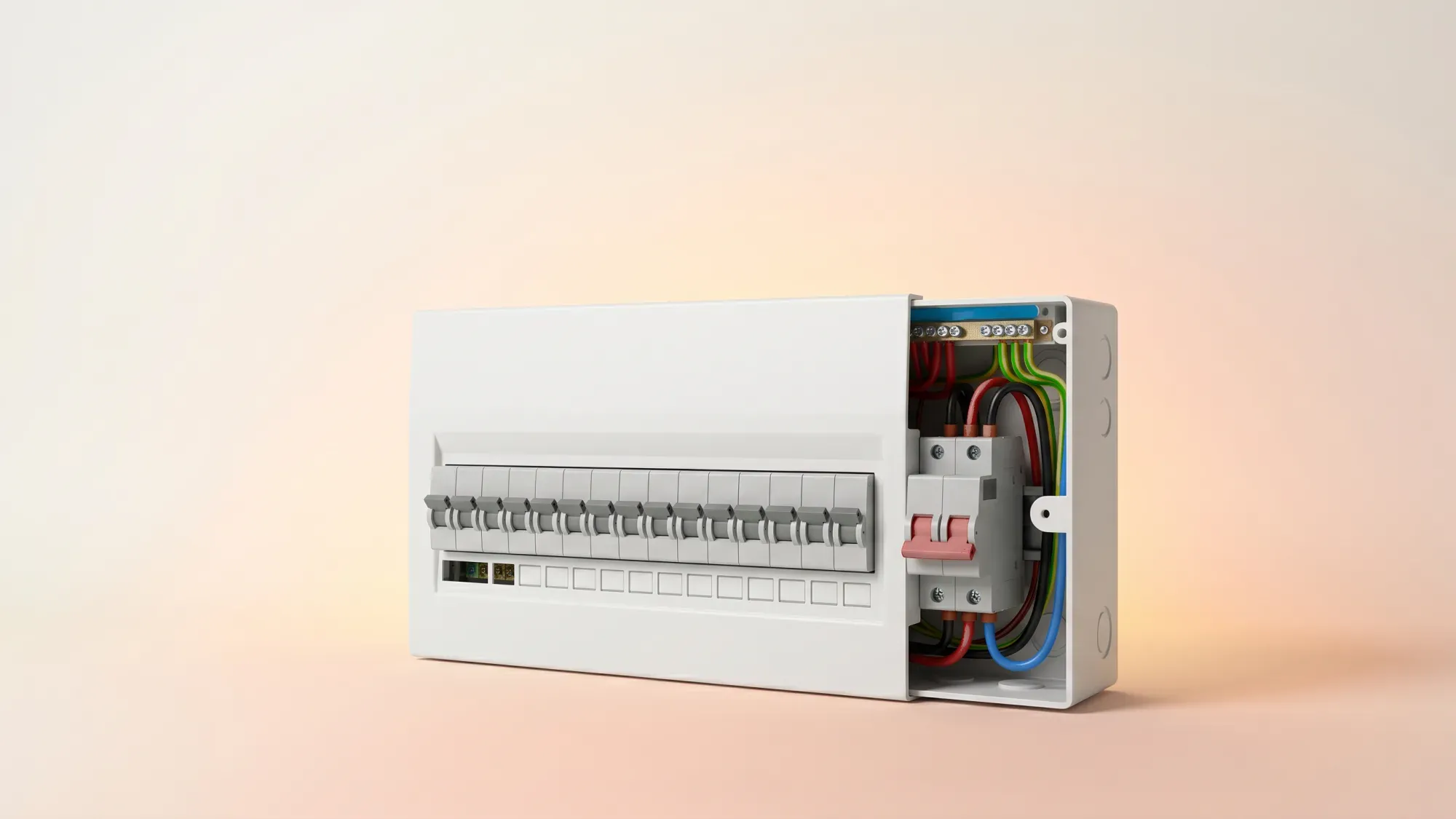
A fixed energy tariff locks in the unit rates and standing charges you pay for electricity and gas for a set period, typically between 12 and 18 months. This means the price you pay per unit of energy and your daily standing charge will not change, regardless of market fluctuations, offering predictability for your household budget. Understanding fixed energy tariffs is crucial for managing your household budget and making informed energy choices.
Choosing a fixed energy tariff can bring stability to your household bills. Fuse Energy offers transparent fixed tariff options, designed to give you clear visibility into your energy costs and usage. Click here to explore our tariffs and switch today.
Enter your address to get a quote and see how much you could save
Understanding fixed energy tariffs
What defines a fixed tariff?
A fixed energy tariff is a contract where your energy supplier agrees to provide electricity and gas at a consistent unit rate and standing charge for a predetermined duration, usually between 12 and 18 months. This differs significantly from variable tariffs, where rates can change quarterly. The primary appeal of a fixed tariff is the certainty it offers: you will know exactly what you are paying for your energy consumption throughout the contract term.
Components of your energy bill
Your energy bill is made up of two main components: the unit rate and the standing charge. The unit rate is the price you pay for each kilowatt-hour (kWh) of energy you use. This rate is applied only when you consume energy. The standing charge is a fixed daily fee you pay regardless of how much energy you use, covering the costs of supplying electricity and gas to your property. All tariff rates, including unit rates and standing charges, are quoted inclusive of VAT at 5%.
How fixed tariffs work in practice
Fixed rates vs fixed bills: a key distinction
It is a common misconception that a fixed energy tariff means a fixed monthly bill. In reality, a fixed tariff locks in your unit rates and standing charges, not your total monthly bill. Your total bill will still vary based on your actual energy consumption. If you use more energy in a given month, your bill will be higher, even if the unit rate remains the same.
Does a fixed tariff mean I'll pay the same amount each month?
No, a fixed energy tariff sets the unit rate and standing charge for a set period, but your total monthly bill will still fluctuate based on how much energy you actually use. If you consume more energy, your bill will be higher, and if you use less, it will be lower.
Contract length and terms
Fixed energy tariffs typically run for a set period, usually between 12 and 18 months. This contract length provides stability, but it is important to be aware of the terms, particularly regarding exit fees. If you decide to leave your fixed tariff before the contract ends, you may incur an exit fee, unless specific regulatory conditions are met.
Benefits of a fixed energy tariff
Price certainty and budgeting
The most significant advantage of a fixed energy tariff is the price certainty it offers. Knowing that your unit rates and standing charges are locked in for the contract duration allows for more predictable budgeting. This stability can provide peace of mind, especially during periods of market volatility.
Protection from price increases
Fixed tariffs shield you from sudden increases in wholesale energy prices or changes to the energy price cap. If market prices rise, your fixed rates remain unchanged, protecting your household budget from unexpected hikes.
Potential drawbacks and considerations
Exit fees explained
Exit fees apply to fixed-rate tariffs if you leave outside the first 14 days or the final 49 days of the contract. The first 14 days of a fixed-rate contract constitute a cooling-off period, during which you can cancel without penalty. UK regulations also stipulate that exit fees are waived if you leave within the final 49 days of your contract. If you move home and switch to Fuse at your new address, no exit fee applies, and your fixed tariff carries over. However, if you move and do not take Fuse with you, standard exit fees will apply if you are outside the cooling-off and final 49-day windows.
Missing out on price drops
While fixed tariffs protect against price increases, they also mean you could miss out on potential savings if wholesale energy prices drop significantly during your fixed term. In such a scenario, customers on variable tariffs might see their rates decrease, while yours remain fixed at the higher rate.
Fixed vs variable tariffs and the price cap
The energy price cap and its impact
Ofgem, the UK's energy regulator, sets the energy price cap, which primarily affects variable tariffs. The cap limits the unit rates and standing charges suppliers can charge for their standard variable tariffs and is updated quarterly on 1 January, 1 April, 1 July, and 1 October.
For example, Ofgem announced that the energy price cap rose by 13% from 1 July to 30 September 2026, driven by higher wholesale gas prices. During this period, the average unit rates for electricity were 26.11p per kWh with a 57.19p daily standing charge, and for gas, 7.33p per kWh with a 29.04p daily standing charge for Direct Debit customers. Customers on fixed-rate tariffs are not affected by these changes.
Deciding between fixed and variable
Choosing between a fixed and variable tariff depends on your priorities. If price stability and predictable budgeting are key, a fixed tariff offers protection from market fluctuations. If you prefer the flexibility to benefit from potential price drops and are comfortable with rates changing, a variable tariff might be more suitable. The energy market's current outlook and your personal risk tolerance for price changes should guide your decision.
Choosing the right fixed tariff for you
Assessing your energy usage
Before choosing a fixed tariff, it is essential to understand your household's typical energy consumption. The average UK home uses around 2,500 kWh of electricity per year. Knowing your usage helps you estimate potential costs accurately and compare different tariff offers effectively. You can usually find your annual consumption on a recent energy bill or through your smart meter data. Understanding your energy consumption can also help you identify opportunities for energy efficiency, such as considering an air source heat pump to reduce your heating costs. You might also want to analyse the running costs of an air source heat pump to see if it is right for your home.
Key questions to ask your supplier
When comparing fixed tariffs, consider the following:
- Contract length: Does it align with your financial planning?
- Exit fees: What are they, and under what conditions do they apply?
- Unit rates and standing charges: How do they compare across different deals?
- Customer service: What support is available if you have questions or issues?
Making an informed decision that aligns with your budget and desire for price stability is crucial. Fuse Energy provides transparent fixed tariff options, offering clear visibility into tariff details and usage through its app, empowering you to manage your energy decisions and budgeting effectively.
Managing your energy bills should be clear and easy to understand. Fuse Energy focuses on straightforward pricing, so you can see exactly what you are paying without unnecessary complexity. If you have a smart meter, you can view detailed usage data through the app or website, helping you understand how you can lower your bills. If you do not have a smart meter, Fuse Energy can upgrade your non-smart meter, completely for free. This can make it easier to track spending and make informed decisions about your energy use. Our 24/7 human support team is always on hand with fast response times whenever you need help. Click here to switch to Fuse Energy today. Find out about our mission by clicking here.
Disclaimer
For the avoidance of doubt, this article is provided for informational purposes only and is not intended to constitute legal or financial advice. The author and/or Fuse Energy shall not be responsible for any losses arising out of any reliance on the information contained herein.