What boiler do I need?
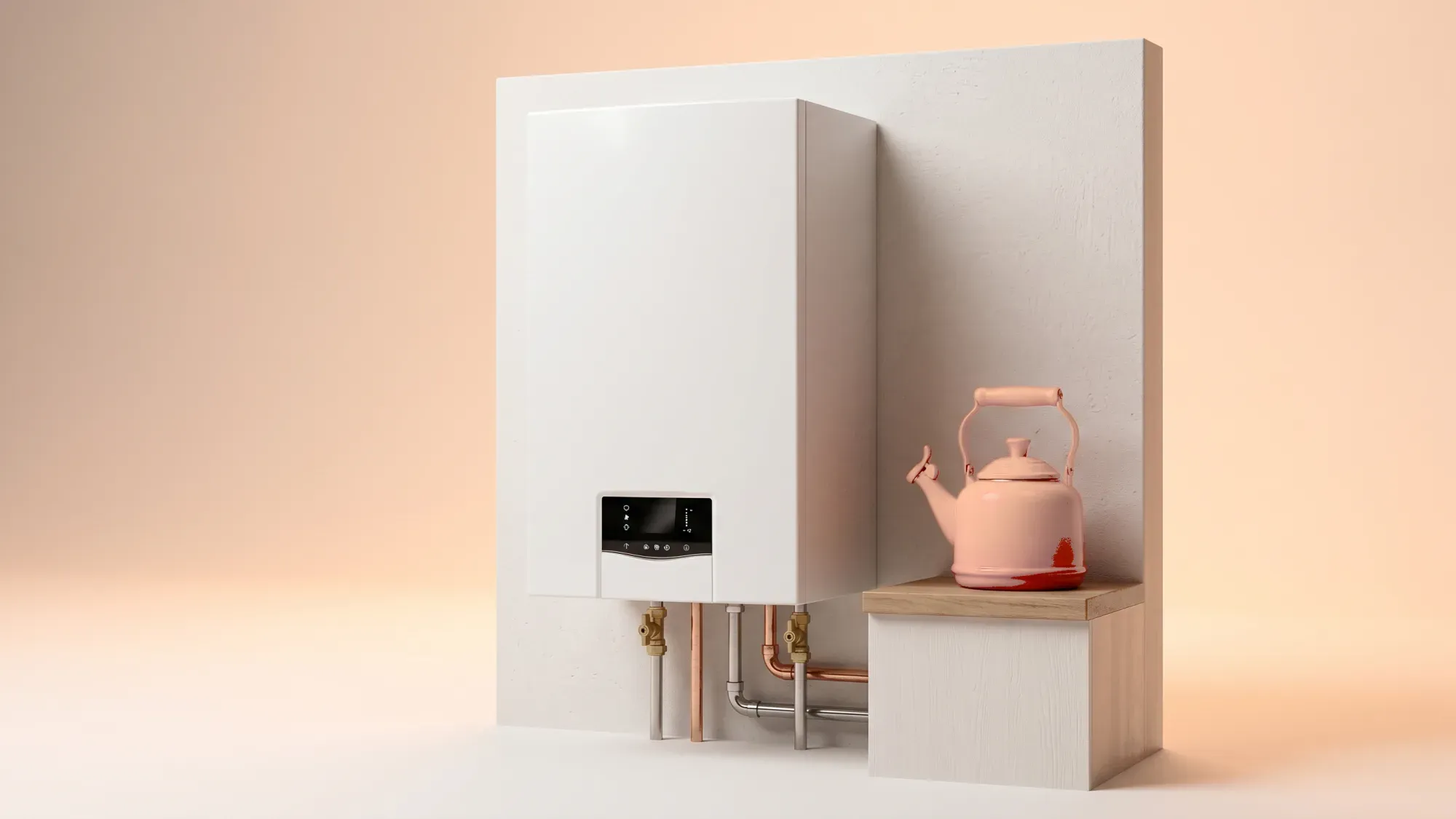
Choosing the right boiler for your home is crucial for efficient heating and a reliable hot water supply. An incorrectly sized or unsuitable boiler can lead to unnecessarily high energy bills, insufficient warmth, or a lack of hot water when you need it most. This guide will help you understand the key factors in selecting a new gas boiler, ensuring your home stays comfortable and your energy usage remains efficient.
Understanding boiler types for your home
The UK market primarily offers three types of gas boilers: combi, system, and regular (conventional). Each is designed to suit different property sizes, hot water demands, and existing heating system setups.
Combi boilers: instant hot water and space saving
Combi (combination) boilers are a popular choice in many UK homes because they provide heating and instant hot water directly from the mains, without needing a separate hot water cylinder or cold water tank. This makes them ideal for properties where space is at a premium, such as smaller homes or flats. They are highly efficient, heating water only when required, which can help reduce energy waste.
System boilers: ideal for homes with high hot water demand
System boilers heat your central heating system and produce hot water for a storage cylinder. Unlike regular boilers, they do not require a cold water tank in the loft, as most of their major components are built into the boiler unit. This makes installation simpler and saves space. System boilers are well-suited for homes with multiple bathrooms or a high demand for hot water, as they can deliver hot water to several taps simultaneously from the stored supply.
Regular (conventional) boilers: traditional systems explained
Regular boilers, also known as conventional or heat-only boilers, are typically found in older heating systems. They work with a separate hot water cylinder and cold water storage tank, usually located in the loft. This setup requires more space but is often the best option for homes with existing traditional heating systems, particularly if replacing the entire system is not practical. They are also suitable for properties with high hot water demands, as the stored hot water can serve multiple outlets at once.
Calculating the right boiler size (kW output)
The kilowatt (kW) output of a boiler is the primary metric for determining its suitability for a property and must be matched to your home's heating and hot water demand. An oversized boiler will cycle on and off frequently, wasting energy, while an undersized one will struggle to heat your home adequately.
Factors influencing boiler sizing: property size and insulation
Several factors influence the ideal boiler size for your home. Property size is a significant consideration; larger homes generally require a higher kW output. The number of bedrooms often serves as a rough guide, but it is not the only factor. For example, a typical 2-3 bedroom home in the UK often requires a combi boiler with an output of 24-27 kW.
Insulation levels also play a crucial role. A well-insulated home retains heat more effectively, meaning it might need a smaller boiler compared to a poorly insulated property of the same size. Double glazing, loft insulation, and wall insulation all contribute to your home's heat retention.
Assessing your hot water needs
Your household's hot water demand is another critical element in boiler sizing, especially for combi boilers. Consider how many bathrooms you have and how often hot water is used simultaneously. If you frequently run multiple showers or baths at once, a system or regular boiler with a hot water cylinder might be more appropriate, or a combi boiler with a higher hot water flow rate.
The role of radiators in boiler sizing
The number and size of radiators in your home directly impact the heat load your boiler needs to manage. Each radiator has a specific heat output, and the sum of these outputs helps determine the overall heating capacity required from your boiler. A qualified heating engineer will assess your radiators to ensure the chosen boiler can effectively heat every room.
Maximising efficiency and performance
Modern gas boilers are highly efficient, offering significant improvements in energy consumption compared to older models. Focusing on efficiency and integrating smart controls can further enhance your heating system's performance and reduce running costs.
Energy efficiency ratings: ErP and seasonal efficiency
Boilers sold in the UK must meet minimum Energy-related Products (ErP) Directive efficiency standards and display an ErP energy label. This label provides an energy efficiency rating (from A+++ to G), similar to those found on household appliances. New gas boiler installations in England must achieve a minimum ErP efficiency of 92% (or 'A-rated') due to Boiler Plus legislation. Seasonal efficiency considers how a boiler performs throughout the year, reflecting real-world usage patterns.
Smart controls: optimising your heating system
Integrating smart heating controls can significantly improve your boiler's efficiency and your home's comfort. Smart thermostats allow you to control your heating remotely via a smartphone app, learn your habits, and optimise heating schedules. Many also offer zoning capabilities, letting you heat different areas of your home to different temperatures, further reducing energy waste.
Boiler Plus standards: what they mean for your installation
All new boiler installations in England must comply with Boiler Plus standards. These regulations, introduced in April 2018, require all new gas boiler installations to achieve a minimum 92% ErP efficiency rating. Additionally, for combi boilers, an extra energy efficiency measure must be installed, such as a flue gas heat recovery system or a smart thermostat with automation and optimisation functions. These measures are designed to enhance energy efficiency and give homeowners greater control over their heating, contributing to lower energy bills.
Choosing and installing your new boiler
Selecting and installing a new boiler is a significant investment that requires professional expertise to ensure safety, compliance, and optimal performance.
Consulting a qualified heating engineer
The most crucial step in choosing a new boiler is to consult with a qualified Gas Safe registered engineer. They will conduct a thorough assessment of your home, considering all the factors mentioned above, to recommend the most suitable boiler type and size. They can also advise on the best location for installation and any necessary upgrades to your existing heating system.
What is a Gas Safe registered engineer?
A Gas Safe registered engineer is legally qualified to work safely and legally on gas appliances in the UK. They are registered with the Gas Safe Register, the official body that ensures engineers are trained, competent, and safe to handle gas work. They carry a Gas Safe ID card, which you should always ask to see. Using an unregistered engineer is dangerous and illegal, risking gas leaks, fires, and carbon monoxide poisoning.
The Fuse Energy approach: Vaillant ecotec Plus installations
Fuse Energy empowers homeowners by specialising in the expert installation of the high-quality Vaillant ecoTEC Plus gas boiler, a reliable and efficient heating solution. Fuse Energy ensures high-quality boiler installations through its focus on this specific model, known for its reliability and efficiency. Fuse Energy does not settle for outdated heating solutions, advocating for modern, efficient gas boilers that deliver optimal performance and comfort.
What to expect during boiler installation
A professional boiler installation typically takes one to three days, depending on the complexity of the job and whether you are switching boiler types (e.g., from a regular to a combi boiler). The engineer will safely remove your old boiler, install the new unit, connect it to your heating system and gas supply, and ensure all pipework and flues are correctly fitted. They will then commission the boiler, testing it to ensure it operates safely and efficiently, and explain how to use your new controls.
It is important to note that the Boiler Upgrade Scheme (BUS) does not apply to gas boiler installations. This scheme is primarily for low-carbon heating technologies like heat pumps.
Conclusion
Choosing the correct boiler type and size is fundamental to creating a comfortable, energy-efficient home. By understanding the differences between combi, system, and regular boilers, assessing your home's specific needs, and prioritising energy efficiency, you can make an informed decision. Always engage a Gas Safe registered engineer for professional advice and installation to ensure your new boiler delivers reliable warmth and hot water for years to come.
Disclaimer
For the avoidance of doubt, this article is provided for informational purposes only and is not intended to constitute legal or financial advice. The author and/or Fuse Energy shall not be responsible for any losses arising out of any reliance on the information contained herein.