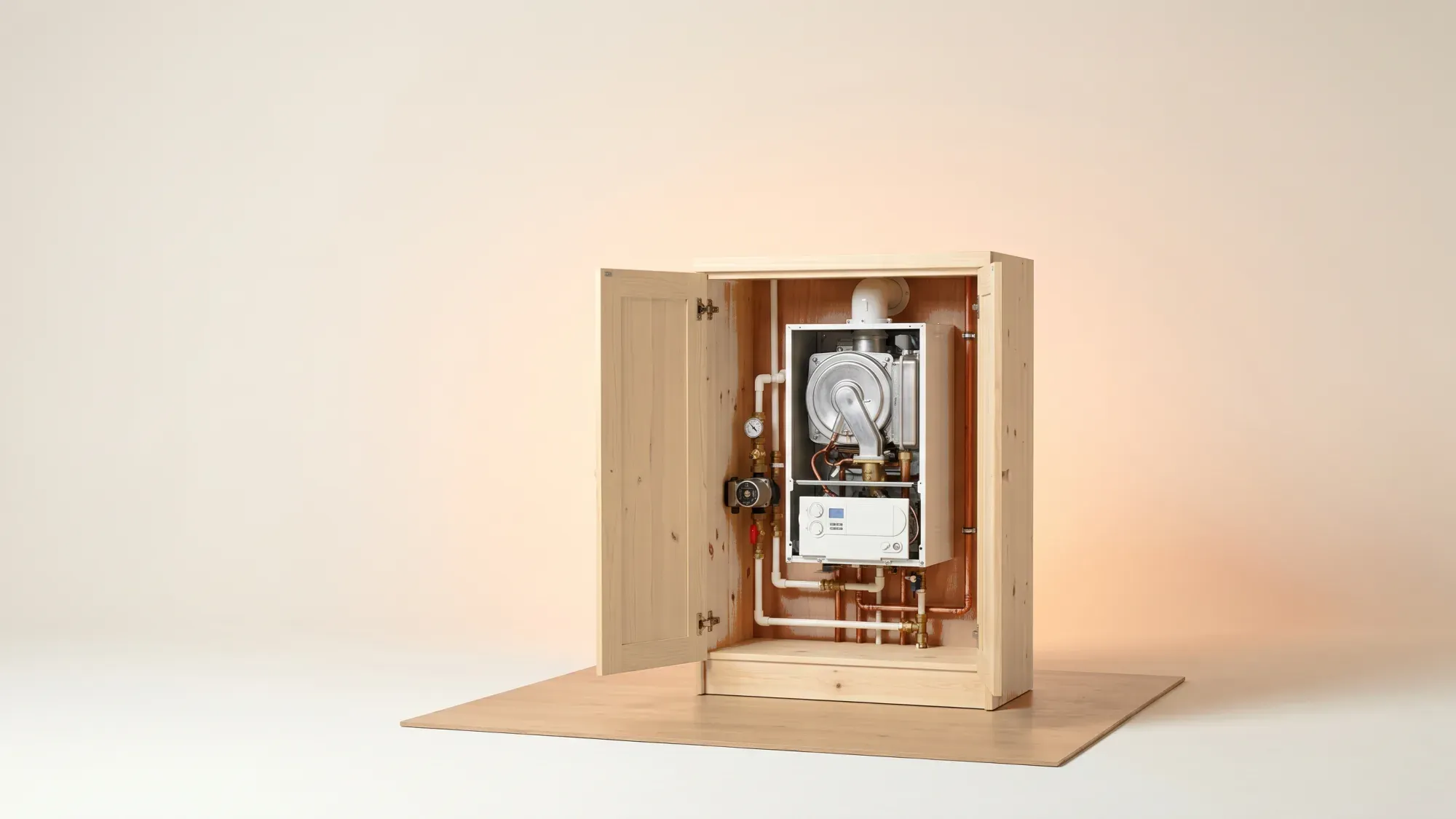
An annual boiler service is crucial for ensuring your home's heating system operates safely and efficiently. This guide walks you through what a comprehensive service entails, why it is essential, and how to find a qualified engineer, helping you make informed decisions about your boiler maintenance.
Why annual boiler servicing is essential
Regular boiler servicing is not just about preventing inconvenient breakdowns; it is fundamental for your household's safety, energy efficiency, and the longevity of your heating system.
Ensuring safety: preventing carbon monoxide leaks
One of the most critical reasons for an annual boiler service is to prevent dangerous carbon monoxide (CO) leaks. Carbon monoxide is often called the "silent killer" because it is a colourless, odourless, and tasteless poisonous gas that can be fatal. A qualified engineer will check for any issues that could lead to CO production or leakage, giving you peace of mind that your home is safe.
Maximising efficiency: reducing energy bills
A well-maintained boiler operates more efficiently, which directly translates to lower energy consumption and reduced heating costs. Over time, boilers can accumulate dirt and debris, and components can wear down, forcing the system to work harder. An annual service addresses these issues, helping your boiler convert fuel into heat more effectively. For context, according to Ofgem, the average UK home uses around 9,500 kWh of gas per year for heating and hot water. Keeping your boiler efficient helps manage this significant energy usage. You can also find more energy efficiency tips to help reduce your bills.
Extending boiler lifespan and preventing breakdowns
Think of an annual boiler service as a regular health check for your heating system. By identifying and addressing minor issues early, you can prevent them from escalating into major, costly repairs. This proactive approach extends the overall lifespan of your boiler, saving you the expense and disruption of an early replacement.
Maintaining warranty and compliance
Many boiler manufacturers require annual servicing by a qualified engineer to keep your warranty valid. Skipping a service could void your warranty, leaving you responsible for the full cost of any repairs. For landlords, annual gas safety checks by a Gas Safe registered engineer are a legal requirement, ensuring compliance with regulations and the safety of tenants.
What a comprehensive boiler service includes
A thorough boiler service involves a series of checks and tests to ensure every aspect of your system is functioning correctly and safely.
Visual inspection of the boiler and controls
The engineer will begin with a visual check of the boiler's condition, its flame, and all accessible pipework. They will also inspect the controls to ensure they are working correctly and are set optimally for your home.
Checking key components for wear and tear
Internal components such as the burner, heat exchanger, main injectors, and safety devices are inspected for any signs of wear, corrosion, or damage. The engineer will also check seals and gaskets to ensure there are no leaks.
Flue gas analysis for efficiency and emissions
A flue gas analyser is used to test the boiler's combustion performance. This ensures the boiler is burning fuel efficiently and not producing dangerous levels of carbon monoxide or other harmful emissions.
Cleaning internal parts and testing safety devices
Any internal parts found to be dirty or obstructed will be cleaned to maintain optimal performance. Crucially, all safety devices, such as pressure relief valves and thermostats, are tested to confirm they activate correctly in an emergency.
Completing a service report and providing recommendations
Upon completion, the engineer will provide a service report detailing all checks performed, any maintenance carried out, and any recommendations for future work. This report is important for your records and for warranty purposes.
Choosing a qualified boiler engineer
The safety and efficiency of your boiler depend heavily on the expertise of the engineer performing the service.
The importance of gas safe registration
In the UK, it is a legal requirement for any engineer working on gas appliances to be registered with the Gas Safe Register. This ensures they have the necessary qualifications and are regularly assessed to work safely and competently with gas. Always ask to see their Gas Safe ID card, which will show their registration number and the types of gas work they are qualified to undertake.
What is the Gas Safe Register?
The Gas Safe Register is the official list of gas engineers legally permitted to work on gas appliances in the UK. Appointed by the Health and Safety Executive (HSE), it replaced CORGI registration in 2009. Registration ensures engineers are qualified and regularly inspected, protecting the public from unsafe gas work.
Questions to ask your engineer
Before hiring an engineer, consider asking:
Are you Gas Safe registered, and can I see your ID card?
What does your boiler service include? (Compare this to the comprehensive list above.)
How long will the service take?
What are your charges, and are there any additional costs?
Do you provide a service report?
Understanding service agreements and warranties
Clarify whether the service includes any guarantee on parts or labour. If you have boiler cover, confirm what is included in your policy, as some may cover repairs but not annual servicing, or vice-versa.
Fuse Energy focuses on providing efficient home energy systems and installs Vaillant ecoTEC Plus boilers. It is important to note that Fuse only installs and supports the Vaillant ecoTEC Plus boiler model, and does not service other boiler brands or models.
Preparing for your boiler service
A little preparation can help your boiler service go smoothly and efficiently.
Clearing access to your boiler
Ensure the engineer has clear, unobstructed access to your boiler. This means moving any furniture, storage, or other items that might be in the way.
Noting any recent issues or concerns
Make a list of any unusual noises, smells, error codes, or performance issues you have noticed with your boiler or heating system. This information can help the engineer diagnose potential problems more quickly.
Ensuring adequate ventilation
Check that all air vents and flues are clear and unobstructed. Proper ventilation is essential for the safe operation of your boiler.
Common boiler issues prevented by servicing
Regular servicing can prevent many common boiler problems, saving you hassle and expense.
Loss of pressure
Frequent loss of boiler pressure can indicate a leak in the system or a faulty component. An engineer can identify and fix these issues during a service.
Unusual noises or smells
Banging, gurgling, or whistling noises, or strange smells coming from your boiler, are often signs of underlying problems like trapped air, limescale build-up, or a gas leak. A service can pinpoint the cause.
Pilot light going out
If your boiler's pilot light frequently goes out, it could be due to a faulty thermocouple, a draught, or a build-up of debris. These issues are typically resolved during routine maintenance.
Radiators not heating up properly
Cold spots on radiators or radiators that do not heat up at all can indicate sludge build-up, trapped air, or an issue with the system's circulation. While bleeding radiators can help with trapped air, a service can address more systemic problems. Knowing how to read your meter can also help you monitor your energy consumption and spot any unusual patterns that might indicate a problem.
For the avoidance of doubt, this article is provided for informational purposes only and is not intended to constitute legal or financial advice. The author and/or Fuse Energy shall not be responsible for any losses arising out of any reliance on the information contained herein.