Home solar: generating your own electricity
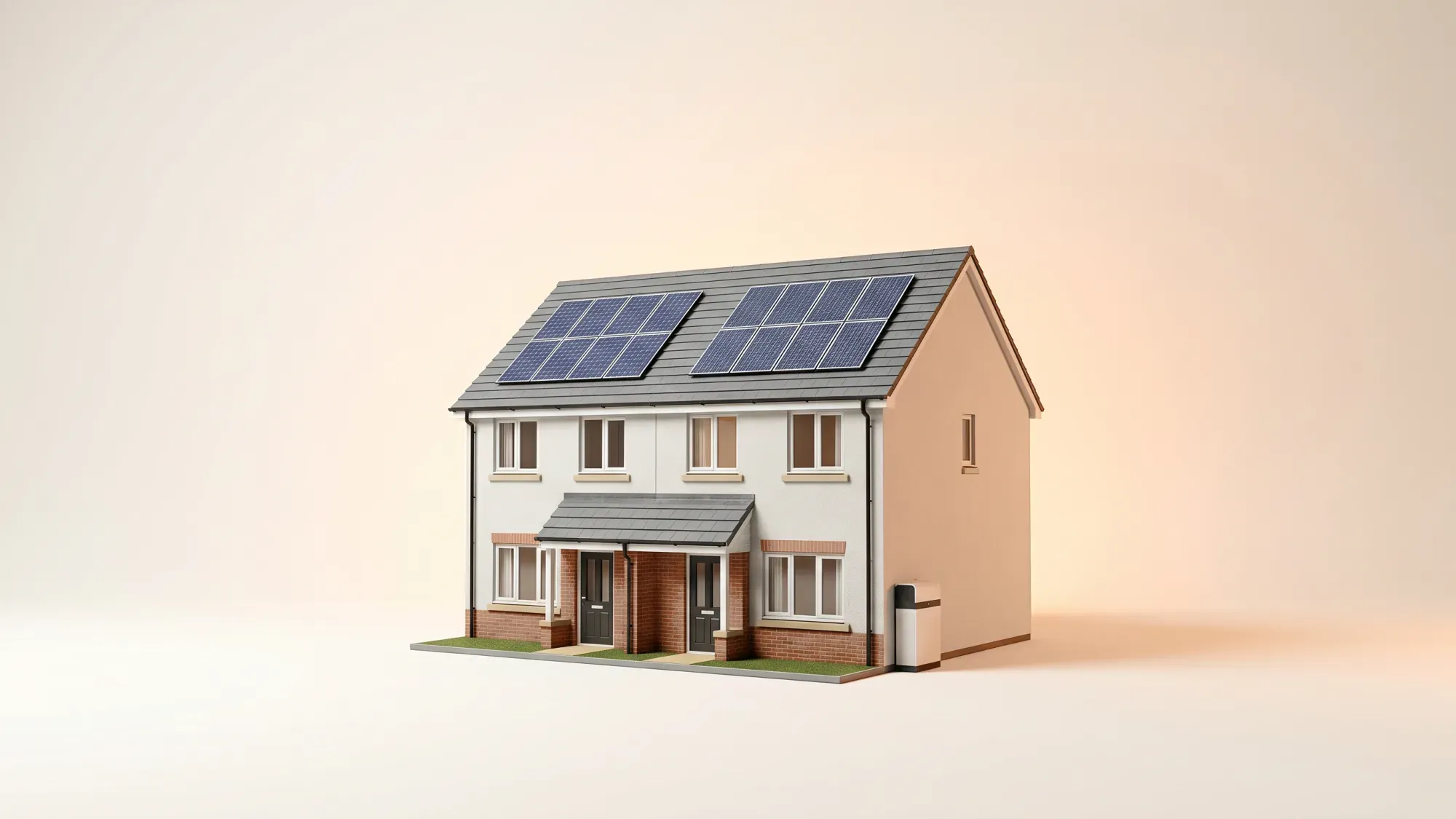
Harnessing solar energy offers UK homeowners a clear path to greater energy independence and reduced electricity costs. Generating your own power means taking control of your household energy, lessening reliance on the grid, and contributing to a more sustainable future. This guide explores the practical steps and benefits of adopting solar energy, covering both traditional rooftop systems and newer, more flexible plug-in options.
Considering home solar is a smart step towards managing your energy. Fuse Energy offers clear pricing and smart tariffs to help you make the most of the electricity you generate. Click here to switch to Fuse Energy today.
Enter your address to get a quote and see how much you could save
Understanding solar energy for your home
How solar panels work
Solar panels, specifically photovoltaic (PV) panels, capture sunlight and convert it into electricity. Each panel contains photovoltaic cells made from semiconductor materials, typically silicon. When sunlight hits these cells, it excites electrons, creating an electric current. This current is direct current (DC) electricity. An inverter then converts this DC electricity into alternating current (AC) electricity, which is what your home appliances use and what the National Grid operates on. The generated AC electricity can either power your home directly, be stored in a battery, or be exported to the grid.
Why consider solar power for your home?
Adopting solar power for your home is a strategic move towards energy self-sufficiency and financial savings. With energy prices fluctuating, generating your own electricity provides a buffer against rising costs, giving you more control over your household budget. It also significantly reduces your carbon footprint, aligning with environmental goals. For many, the appeal lies in the ability to produce clean energy directly from their roof or balcony, transforming their home into a mini power station.
Types of solar systems for UK homes
UK homeowners have several options when considering solar power, ranging from comprehensive rooftop installations to more accessible plug-in units.
Rooftop solar panels (PV systems)
Traditional rooftop solar PV systems involve installing multiple solar panels directly onto your roof. These systems are typically larger, designed to meet a significant portion, if not all, of a household's electricity demand. They require professional installation and are a long-term investment, often paired with battery storage to maximise self-consumption. Rooftop systems are eligible for schemes like the Smart Export Guarantee (SEG), allowing homeowners to get paid for surplus electricity sent back to the grid.
Plug-in solar: a flexible option
Plug-in solar systems offer a more accessible entry point into solar energy. These compact units, often consisting of one or two panels and a microinverter, simply plug into a standard wall socket. They are designed for self-installation and can be placed in gardens, on balconies, or patios, making them ideal for renters or those with unsuitable roofs. Since 27 August 2026, compliant plug-in solar devices have been legal in the UK under SI 2026/848, provided they meet specific safety standards and have an output cap of 800W AC export per device.
What is the output limit for compliant plug-in solar?
A compliant plug-in solar kit in the UK has an output cap of 800W AC export per device. This regulation, part of SI 2026/848, ensures that these systems can be safely connected to a standard wall socket without requiring complex electrical modifications.
The benefits of installing solar
Installing solar panels can bring a host of advantages, from tangible financial savings to a reduced environmental impact.
Reducing electricity bills
The primary financial benefit of home solar is the reduction in your electricity bills. By generating your own power, you import less electricity from the grid. For an illustrative Direct Debit household on the Ofgem price-cap default tariff, the electricity unit rate for 1 July to 30 September 2026 is 26.11p per kWh. Every unit of electricity you generate and use yourself directly offsets this cost. Maximising self-consumption - using the electricity as it is generated - is key to significant savings.
Increasing energy independence
Solar power offers a tangible step towards energy independence. Generating your own electricity means you are less exposed to volatile energy market prices and geopolitical events that can impact supply. This control provides peace of mind and allows you to manage your energy usage more effectively, giving you greater control over your energy supply.
Environmental advantages
Beyond financial and independence benefits, solar energy is a clean, renewable power source. It produces no greenhouse gas emissions during operation, helping to combat climate change and reduce air pollution. By choosing solar, you contribute to a greener energy mix for the UK and set a positive example for your community.
Navigating UK solar regulations and support
Understanding the specific regulations and support mechanisms in the UK is crucial for any homeowner considering solar.
The plug-in solar law (SI 2026/848)
The introduction of SI 2026/848 since 27 August 2026 has legalised compliant standalone plug-in solar systems in the UK. This legislation permits connecting devices that meet the Interim Product Specification (IPS) via a standard BS 1363 plug, provided they have an 800W AC export limit per device. It is important to note that this law applies only to standalone plug-in solar; plug-in batteries or hybrid solar-battery kits are not covered by SI 2026/848. Currently, only one plug-in solar unit is permitted per property under this regulation.
Smart Export Guarantee (SEG) and export tariffs
The SEG mandates larger energy suppliers to offer tariffs for electricity exported to the grid. However, plug-in solar systems do not qualify for the SEG. This is because SEG typically requires Microgeneration Certification Scheme (MCS) certification, which self-installed plug-in kits do not have. While SEG is not available, this does not mean unused generation is unpaid. Energy suppliers can still offer their own export tariffs outside the SEG scheme, providing a way to receive payment for any surplus electricity you send back to the grid. Self-consumption remains the primary saving.
Notifying your DNO (G98)
For any plug-in solar installation, the Distribution Network Operator (DNO) must be notified under G98 within 28 days of installation. This notification ensures the DNO is aware of microgeneration connected to their network, which is important for grid stability and safety. The consumer or their energy supplier can complete this notification.
Getting started with home solar installation
Embarking on your solar journey involves a few key steps to ensure you choose the right system for your home and maximise your benefits.
Assessing your home's suitability
Before investing, assess your home's energy needs and suitability for solar. Consider your average electricity consumption; the average UK home uses around 2,500 kWh of electricity per year1. For rooftop systems, evaluate your roof's orientation (south-facing is ideal), shading, and structural integrity. For plug-in solar, identify sunny spots in your garden, balcony, or patio. Understanding your household's energy usage patterns is crucial to determine how much of your generated solar power you can self-consume.
The installation process
For rooftop solar, the process involves obtaining quotes from reputable installers, who will handle design, permits, and professional installation. For plug-in solar, the installation is typically a DIY task. Once installed, ensure your DNO is notified under G98 within 28 days, either by yourself or your supplier.
Maximising your solar savings
To get the most out of your solar installation, focus on maximising self-consumption. This means using electricity-hungry appliances like washing machines, dishwashers, or EV chargers during daylight hours when your panels are generating power. Without a battery, unused plug-in solar generation cannot be stored for later self-use; it goes to the grid. While supplier export tariffs can provide some payment for this, the greatest financial benefit comes from directly offsetting your grid imports.
Managing your home energy should be straightforward and rewarding. Fuse Energy is committed to making energy simple, with clear pricing, real-time usage data in the app, and 24/7 human customer support. Switching to Fuse is quick and easy, helping you take control of your energy bills. Click here to switch to Fuse Energy today.
References
Disclaimer
For the avoidance of doubt, this article is provided for informational purposes only and is not intended to constitute legal or financial advice. The author and/or Fuse Energy shall not be responsible for any losses arising out of any reliance on the information contained herein.