Storage heaters explained: how they work and cost
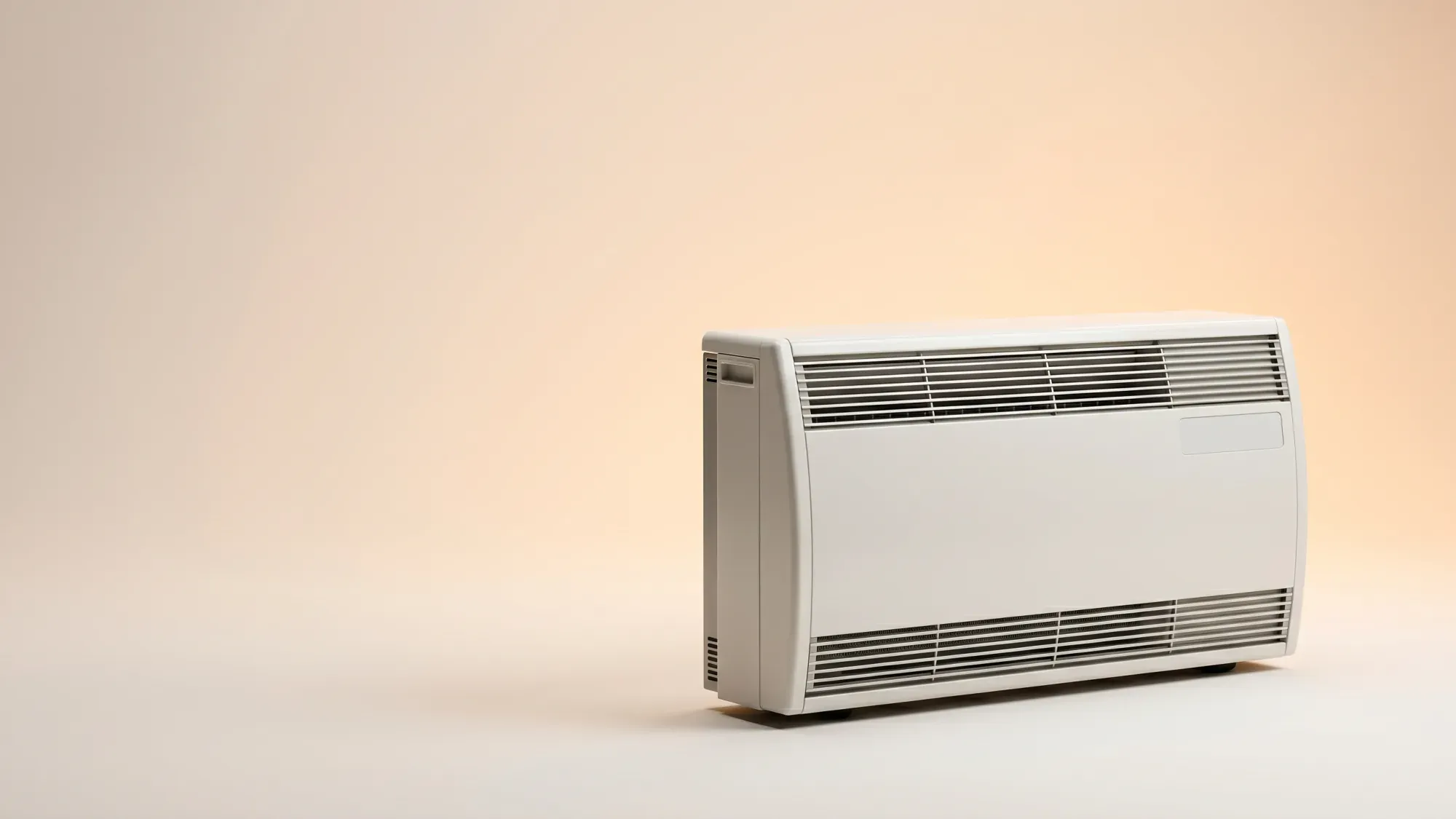
Storage heaters use off-peak electricity to store heat, releasing it gradually throughout the day. This system can offer an economical way to heat your home, especially when paired with a suitable tariff like Economy 7. Many UK homeowners and renters find it challenging to understand how these heaters work, manage their running costs, and determine if modern alternatives offer better efficiency.
Understanding how storage heaters work can help you manage your home's heating costs more effectively. Fuse Energy provides clear insights into your energy usage, helping you make informed decisions about your heating. Click here to switch to Fuse Energy today and take control of your energy bills.
Enter your address to get a quote and see how much you could save
What are storage heaters?
A storage heater is an electric heating appliance designed to take advantage of cheaper, off-peak electricity rates. Instead of generating heat on demand, it stores thermal energy during specific hours, typically overnight, and then releases it when needed. This makes them particularly suited for households on tariffs that offer variable electricity prices throughout the day.
The basic principle of heat storage
The core principle behind storage heaters is simple: convert electricity into heat and store it for later use. They contain high-density ceramic bricks or blocks that absorb and retain heat efficiently. When electricity is supplied during off-peak hours, these elements heat up, effectively 'charging' the heater. The stored heat is then gradually released into your living space over the following hours, providing warmth without drawing expensive peak-rate electricity.
Key components of a storage heater
A typical storage heater comprises several essential parts. At its heart are the heating elements and thermal storage bricks, usually made of refractory materials like steatite or olivine. These are encased within a heavily insulated outer casing to minimise heat loss and direct the heat release. Most models also feature controls to manage both the amount of heat stored (input) and the rate at which it's released (output).
How do storage heaters work?
Understanding the operational cycle of a storage heater is key to using it efficiently. It's a two-stage process: charging and discharging, heavily influenced by your electricity tariff.
Charging during off-peak hours
Storage heaters are designed to charge during specific off-peak periods, usually at night, when electricity is cheaper. During these hours, electricity flows through the internal heating elements, which then transfer heat to the dense ceramic bricks inside the unit. The better the insulation around these bricks, the more effectively the heat is retained until it's needed.
Releasing heat throughout the day
Once charged, the storage heater releases the accumulated heat into your home. This release can be passive, through natural convection from the casing, or active, using a fan to distribute warm air. Older models often have limited control over this release, meaning heat can dissipate even when it's not required. Modern high heat retention models offer much greater control, allowing you to manage when and how quickly the heat is discharged.
The role of Economy 7 tariffs
Economy 7 tariffs are crucial for making storage heaters cost-effective. These dual-rate tariffs provide a cheaper night rate for seven hours, typically between midnight and 7am, and a higher day rate for the remaining 17 hours. By charging your storage heater exclusively during these cheaper off-peak hours, you can significantly reduce your heating costs. If you use a substantial portion of your electricity during the night, an Economy 7 tariff can save you money; otherwise, a single-rate tariff might be more economical. You can learn more about Economy 7 tariffs to see if they suit your household.
Types of storage heaters
Storage heaters have evolved over the years, offering varying levels of control and efficiency.
Traditional manual storage heaters
These are the oldest type, often found in properties built before the 1990s. They typically have two manual controls: an 'input' control to set how much heat is stored overnight, and an 'output' control to regulate how quickly that heat is released during the day. The challenge with manual heaters is that once the heat is released, it's gone. If you set the output too high early in the day, you might run out of heat by evening. Conversely, setting it too low can leave you cold.
Automatic storage heaters
Automatic models represent an improvement over their manual predecessors. They include a thermostat that senses the room temperature and automatically adjusts the amount of heat stored overnight based on the previous day's heat loss. This offers better efficiency than manual models, as they aim to store only the heat required. However, they still have limitations in adapting to sudden changes in weather or household routines.
High heat retention storage heaters
Modern high heat retention storage heaters are the most advanced and efficient type. They feature significantly improved insulation and more sophisticated electronic controls. These allow for precise management of both heat input and output, often with programmable timers and fan-assisted boost functions. This means you can store heat more effectively and release it only when and where it's needed, leading to greater comfort and lower running costs.
Understanding running costs and efficiency
The cost of running a storage heater is not fixed; it depends on several factors, including your electricity tariff, usage habits, and home insulation.
Factors affecting storage heater costs
The primary factor influencing storage heater costs is the price of electricity. As of 1 July to 30 September 2026, the Ofgem Price Cap for electricity on a Standard Variable Tariff is 26.11 pence per kilowatt-hour (kWh). However, storage heaters are designed to operate on dual-rate tariffs like Economy 7, where the night rate is considerably cheaper. Your usage patterns - how much electricity you consume during off-peak versus peak hours - will therefore significantly impact your overall bill.
Calculating your storage heater's energy use
To estimate your storage heater's running costs, you need to know its power rating (in kilowatts, kW) and how many hours it charges. For instance, if a storage heater with a power rating of 3kW charges for 7 hours, it will use 21 kWh of electricity. Multiply this by your off-peak unit rate to get the daily cost. The average UK home uses around 2,500 kWh of electricity per year, according to Ofgem's medium typical domestic consumption value, effective from 1 July 20261. This figure serves as a benchmark for typical usage.
How much does electricity cost under the price cap?
For the period of 1 July to 30 September 2026, the Ofgem Price Cap sets the average electricity unit rate for standard variable tariffs at 26.11 pence per kilowatt-hour (kWh) for Direct Debit customers. This figure includes VAT at 5% as standard for energy tariffs and is an average across Great Britain.
The impact of insulation
Good home insulation is critical for the efficiency of any heating system, especially storage heaters. Proper insulation in walls, lofts, and floors, along with double glazing, helps to retain the heat released by your storage heaters, preventing it from escaping quickly. This means your heaters won't need to work as hard or charge as much, directly translating to lower energy consumption and reduced bills.
Optimising your storage heater usage
Making the most of your storage heaters involves understanding and adjusting to their unique operational cycle.
Maximising Economy 7 benefits
If you're on an Economy 7 tariff, the goal is to shift as much of your electricity consumption as possible to the cheaper night rate. This means charging your storage heaters fully during these hours. You can also use timers for other high-consumption appliances like washing machines, dishwashers, and tumble dryers to run them overnight. Remember that Economy 7 times can vary by supplier and location, and may be affected by daylight saving changes, so it's wise to confirm the exact hours with your energy provider.
Smart controls and thermostats
Upgrading to smart controls or thermostats can significantly improve the efficiency of older storage heaters. These devices allow for more precise scheduling and temperature management, ensuring heat is stored and released according to your actual needs. Some smart systems can even learn your routines and adjust heating automatically, preventing wasted energy.
Leveraging smart meter data
Smart meters provide granular insights into your energy consumption, showing you exactly when and how much electricity you're using. By leveraging this data, often accessible through an energy supplier's app, you can identify peak and off-peak usage patterns and fine-tune your storage heater settings. This transparency empowers you to optimise charging times and heat release, helping you maximise the benefits of dual-rate tariffs. Understanding your energy bill can further help in this optimisation.
The Radio Teleswitch Service (RTS) meters, often associated with older storage heaters, are being phased out. The signal began to be switched off from 30 June 2025. If you have an RTS meter, your energy supplier should contact you to arrange a free upgrade to a smart meter, which will ensure you can continue to access multi-rate tariffs and manage your energy effectively.
Modern alternatives and upgrades
While optimising your current storage heaters can yield benefits, it's also worth considering modern alternatives for long-term efficiency and comfort.
Considering high heat retention models
If your current storage heaters are old and inefficient, upgrading to modern high heat retention models can be a significant improvement. These units offer superior insulation, better controls, and often fan-assisted heat release, providing more consistent warmth and greater flexibility than their predecessors. They are designed to make the most of off-peak electricity while minimising heat loss.
Exploring electric radiators and heat pumps
For those looking beyond storage heaters, electric radiators offer instant heat and precise room-by-room control, though they don't benefit from off-peak tariffs in the same way. Heat pumps, while a larger investment, are a highly efficient, low-carbon heating solution that extract heat from the air or ground, significantly reducing running costs compared to direct electric heating. You might also be eligible for heat pump grants to help with the upfront cost.
The future of home heating
The future of home heating is moving towards more integrated and intelligent systems. This includes smart meters that provide real-time data, apps that offer granular control over energy usage, and tariffs designed to reward flexible consumption. By understanding your usage and embracing these technologies, you can contribute to a more efficient energy grid and take greater control over your home's comfort and costs. Fuse Energy can empower customers to manage their heating more effectively by leveraging smart meter data and app-based insights, whether they're optimising their current setup or planning an upgrade. For example, a smart meter installation can provide the data needed for better energy management.
Managing your home's heating can be complex, but Fuse Energy makes it simpler. With clear pricing, real-time usage data in the app, and 24/7 human customer support, you can take control of your energy consumption. Whether you're optimising your storage heaters or exploring new heating solutions, Fuse is here to help you make informed decisions and reduce your bills. Click here to switch to Fuse Energy today and discover a smarter way to heat your home. You can also learn more about our mission to build a better energy future here.
References
Disclaimer
For the avoidance of doubt, this article is provided for informational purposes only and is not intended to constitute legal or financial advice. The author and/or Fuse Energy shall not be responsible for any losses arising out of any reliance on the information contained herein.