Solar panel bird proofing: costs and methods
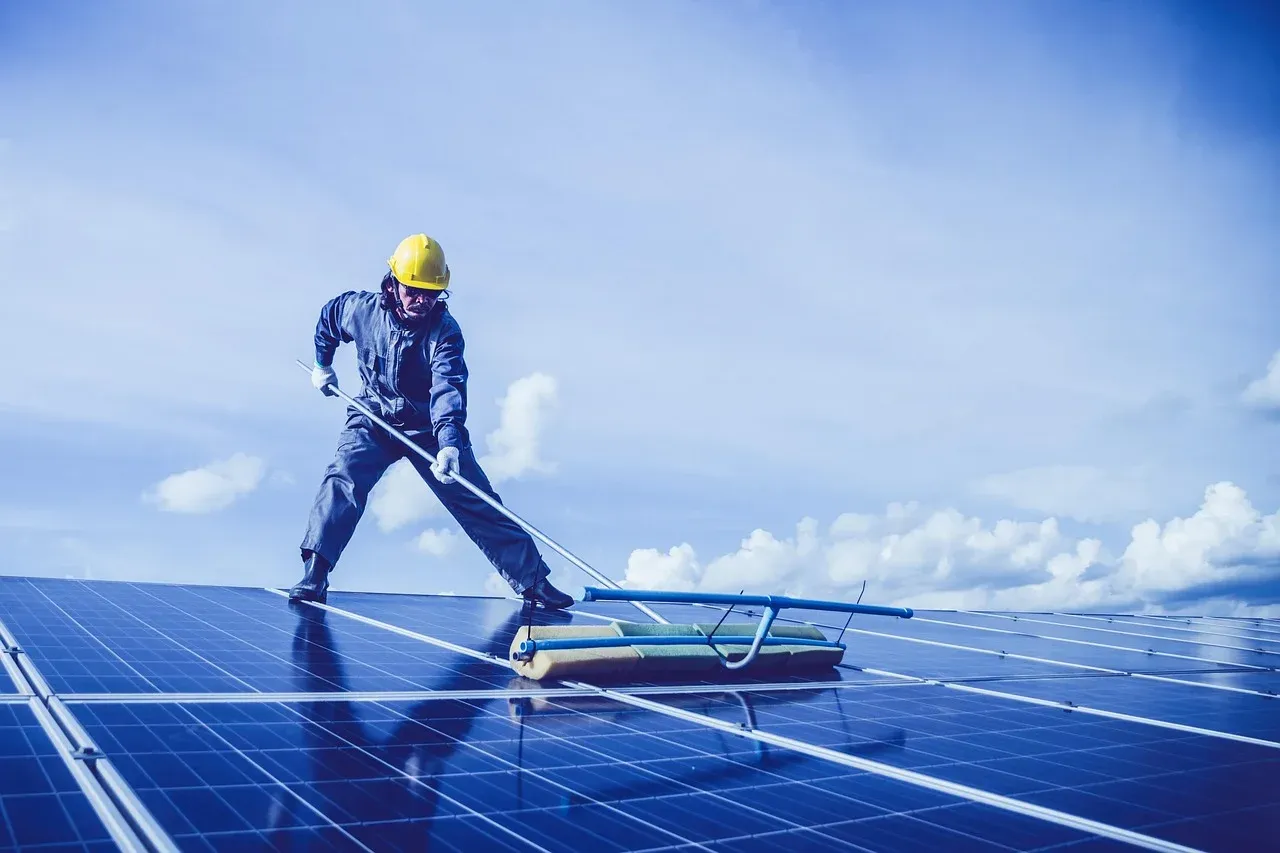
Protecting your solar panels from bird damage is a crucial step in maintaining their efficiency and safeguarding your investment. Birds, particularly pigeons, often seek shelter in the warm, secluded space beneath solar panels, leading to various problems that can reduce energy generation and incur costly repairs. This guide explores why bird proofing is essential, the methods available, cost considerations, and how to ensure your solar system continues to perform optimally.
Why bird proofing solar panels is essential
Ignoring bird activity around your solar panels can lead to significant issues, from reduced energy output to potential warranty complications. Proactive bird proofing helps preserve your system's performance and longevity.
Common bird pests and their impact
Pigeons are the most common culprits, often joined by starlings, sparrows, and jackdaws, especially in urban and coastal areas of the UK. These birds are attracted to the sheltered, warm space beneath solar panels, which offers protection from predators and the elements.
Once established, birds can cause a range of problems:
- Reduced efficiency: Bird droppings on the panel surface block sunlight, leading to a significant drop in electricity generation. Even partial soiling of a few cells can reduce panel output by 20-30%. Over a full system, this typically means 5-15% annual generation loss. Studies have shown that soiling can slash a panel's output power by as much as 23.8%. In some controlled experiments, a panel with just four bird droppings produced between 12% and 33% less power compared to a clean panel. This acidic waste can also corrode protective coatings over time.
- Physical damage: Nesting materials like twigs and leaves can scratch panels, block airflow, and create "hotspots" that accelerate degradation and can even lead to fire hazards, particularly near inverter cables. Birds may also peck at wiring, causing electrical faults.
- Blocked gutters: Nesting debris and droppings can accumulate in gutters, leading to blockages, water overflow, and potential damp issues in your property.
Protecting your investment and efficiency
Bird proofing is a smart investment that protects your solar panels from these issues, ensuring they continue to generate energy efficiently. By preventing birds from nesting, you safeguard your initial investment and maintain optimal energy production, which translates directly into continued savings on your electricity bills or earnings from export tariffs.
Warranty and insurance considerations
Most standard manufacturer warranties for solar panels do not cover damage caused by birds, as this is typically classified as an external environmental factor rather than a manufacturing defect. This means that repairs for damage caused by nesting birds or their droppings would likely come out of your pocket.
It is crucial to ensure that any bird proofing method used does not void your solar panel warranty. The most effective and warranty-safe solutions involve non-penetrating clips that secure mesh to the panel frame without drilling into the modules or their frames. Drilling into the panel frame or laminate can invalidate your warranty. Always confirm the installation method with your chosen provider to avoid future complications.
Understanding bird proofing methods
Several methods exist to deter birds from nesting under solar panels, each with varying levels of effectiveness and suitability.
Solar panel mesh systems
Mesh systems are widely considered the most effective and durable long-term solution for bird proofing solar panels. A fine, durable mesh, typically made from stainless steel or PVC-coated wire, is fitted around the entire perimeter of the solar array. This creates a physical barrier that prevents birds from accessing the space beneath the panels while still allowing for proper ventilation. The mesh is usually secured with specialist clips that grip the panel frame, avoiding any drilling.
Bird spikes and other deterrents
Bird spikes consist of long, needle-like rods that can be installed on the edges of panels or surrounding roof areas to deter birds from perching. While they can be effective for preventing roosting on specific ledges, spikes are generally less effective as a standalone solution for solar panels because they do not block access to the cavity underneath. Other deterrents, such as optical gels or sonic devices, are typically less reliable for long-term protection against nesting birds.
Choosing humane solutions
When considering bird proofing, it is important to choose humane methods that prevent birds from nesting without causing them harm. Mesh systems and well-placed spikes are designed to deter, not injure. Additionally, UK law, specifically the Wildlife and Countryside Act 1981, protects wild birds and their active nests. It is illegal to intentionally damage or destroy a nest while it is in use or being built, or to block access to an active nest. This means any bird proofing work must be carried out outside of breeding season, or only after a professional has confirmed there are no active nests present.
DIY vs professional bird proofing
Deciding whether to tackle bird proofing yourself or hire a professional depends on various factors, including your comfort with heights, the complexity of your roof, and your understanding of solar panel systems.
Assessing the risks and rewards of DIY
While some basic deterrents might be DIY-friendly, installing a full mesh system around solar panels can be challenging and carries risks. Working on a roof presents safety hazards, and improper installation can lead to damage to your panels or roof, potentially voiding warranties. Using unsuitable materials or incorrect fixing methods could also be ineffective, leading to continued bird problems or even creating new issues.
Benefits of professional installation
Professional installers have the necessary equipment, expertise, and experience to safely and effectively bird-proof your solar panels. They understand the nuances of different roof types and solar panel systems, ensuring the correct materials and methods are used to protect your investment without compromising warranties. Professionals can also ensure compliance with wildlife protection laws by checking for active nests before installation.
When to call an expert
It is advisable to call an expert if you have a large solar array, a complex or high roof, or if birds have already established a significant nesting presence. An established bird colony often requires professional cleaning and biocide treatment before proofing can be installed. Professionals can also offer guarantees on their work, providing peace of mind.
Solar panel bird proofing cost in the UK
The cost of bird proofing solar panels in the UK can vary, but it is generally a worthwhile investment to protect your energy generation and avoid future repair costs.
Factors influencing pricing
Several factors influence the overall cost of solar panel bird proofing:
- System size: Larger solar arrays require more materials and labour.
- Roof accessibility: Easily accessible roofs (via ladders or towers) will result in lower costs. If scaffolding is required due to height or pitch, this can add a significant amount, often £400-£600, to the total.
- Existing bird activity: If birds have already nested, the cost may include cleaning and removal of nesting materials, which can increase the price.
- Material type: While mesh is the most common, the specific type (e.g., stainless steel vs PVC-coated) can affect cost and durability.
Typical cost ranges for different methods
For a standard residential solar array in the UK, professional bird proofing typically ranges from £300 to £1,000. Some sources indicate a narrower range of £500 to £900 for a standard property. Mesh materials themselves can cost around £50 to £100 per metre of array perimeter.
How much does professional solar panel bird proofing cost in the UK?
Professional solar panel bird proofing in the UK typically costs between £300 and £1,000 for a standard residential array. The final price depends on factors like the size of your solar panel system, the accessibility of your roof (e.g., if scaffolding is needed), and whether existing nesting material needs to be removed and cleaned.
Long-term value and roi
Investing in bird proofing offers significant long-term value. By preventing efficiency losses of up to 10-25% caused by droppings and avoiding potential damage to wiring and panels, you ensure your solar system continues to generate its maximum potential. This sustained optimal performance directly contributes to greater energy savings and maximised earnings from any export tariffs, protecting your return on investment over the lifespan of your solar panels.
Maintaining your bird-proofed solar panels
Bird proofing is not a one-time fix; ongoing maintenance ensures its continued effectiveness and the optimal performance of your solar panels.
Regular inspections and upkeep
Even with bird proofing in place, regular inspections are advisable. Check for any signs of damage to the mesh or deterrents, and ensure no new access points have been created. Over time, environmental factors can affect the integrity of the proofing system. Addressing minor issues promptly can prevent larger problems and maintain the protection of your solar panels.
Combining with solar panel cleaning
While bird proofing prevents new droppings from accumulating underneath and on the panels, existing dirt and grime can still reduce efficiency. Combining bird proofing with regular solar panel cleaning ensures that your panels are not only protected from pests but also free from other obstructions that can block sunlight. This dual approach helps maintain peak performance.
Maximising your solar energy output
By protecting your solar panels from bird damage and ensuring they operate at their best, you are taking a proactive step in smart home energy management. Maximising your solar generation means you have more energy at your disposal, whether for immediate use, storage, or export back to the grid. This aligns with Fuse Energy's commitment to empowering homeowners to fully utilise their abundant energy, allowing you to have more and make the most of your solar investment. Fuse Energy helps homeowners maximise their energy output through smart tariffs and app tools, helping you take control of your energy assets and efficiency.
Disclaimer
For the avoidance of doubt, this article is provided for informational purposes only and is not intended to constitute legal or financial advice. The author and/or Fuse Energy shall not be responsible for any losses arising out of any reliance on the information contained herein.