Solar electricity grants: funding your home
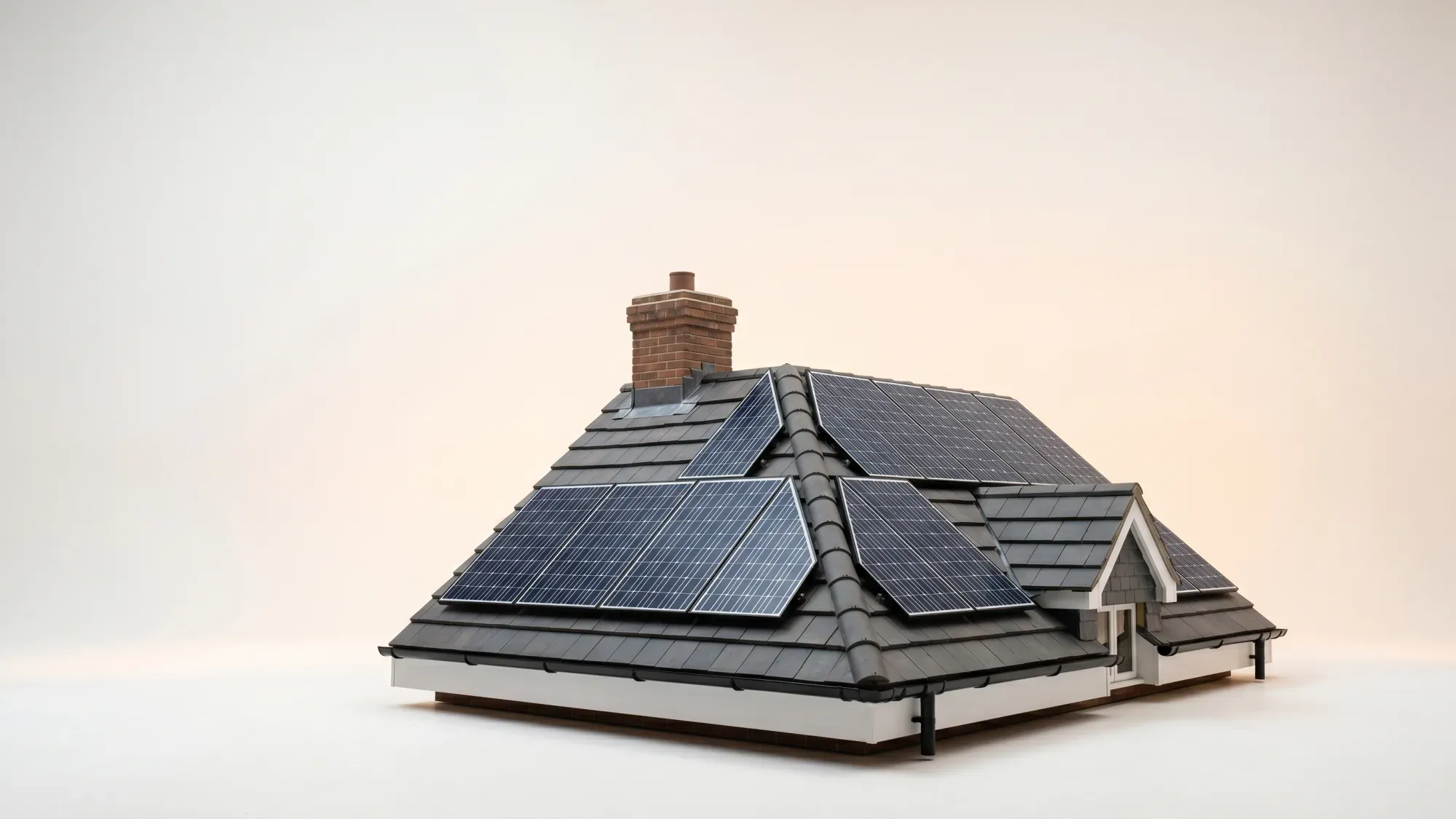
Navigating the landscape of UK solar electricity grants, eligibility, and application processes can seem daunting for homeowners looking to make solar power affordable. This guide clarifies the available funding, helping you understand how to reduce the upfront cost of installing solar panels and take a significant step towards energy independence.
Solar panels can significantly cut your energy bills and reduce your carbon footprint. Fuse Energy supports your journey to a greener home by offering competitive export tariffs for the electricity your panels generate. Click here to see how Fuse can help you make the most of your solar investment.
Enter your address to get a quote and see how much you could save
Understanding UK solar electricity grants
Solar electricity grants are designed to support homeowners in adopting renewable energy. They play a crucial role in making solar panel installations more accessible and affordable across the UK.
What are solar electricity grants?
Solar electricity grants are financial incentives provided by government bodies, regional authorities, and sometimes energy companies. They aim to reduce the initial expense of installing solar panels on residential properties. These grants help offset the capital cost, making the transition to solar energy a more viable option for many households. The goal is to encourage the uptake of clean energy, reduce carbon emissions, and foster greater energy independence for homeowners.
The benefits of grant funding for homeowners
For homeowners, grant funding translates directly into lower upfront costs for solar panel installations. This reduction can make the difference between solar being an aspirational project and a tangible reality. Beyond the immediate financial relief, grants empower homeowners to generate their own electricity, leading to significant long-term savings on energy bills. It also contributes to a more sustainable future and offers a degree of protection against fluctuating energy prices.
Eligibility criteria for solar grants
Eligibility criteria for solar grants vary widely depending on the specific scheme and individual household circumstances. Understanding these requirements is key to a successful application.
General eligibility requirements
While each grant has its own specific rules, common eligibility factors often include:
- Property ownership: Most grants are available to homeowners, though some schemes may extend to private tenants or landlords.
- Property type and condition: The type of property, its energy efficiency rating, and sometimes its age or location can influence eligibility.
- Household income: Many government-backed schemes, particularly those focused on energy efficiency, target low-income households or those receiving certain benefits.
- Existing energy performance: Some grants require a minimum Energy Performance Certificate (EPC) rating or aim to improve it through the installation.
- Installer accreditation: Often, the solar panel installation must be carried out by an MCS (Microgeneration Certification Scheme) certified installer to qualify for grant funding.
Specific criteria for key schemes
For instance, the Energy Company Obligation (ECO4) scheme specifically targets low-income households and those in receipt of certain benefits, focusing on improving the energy efficiency of their homes, which can include solar panel installations. Regional programmes, such as those offered by Home Energy Scotland, have residency requirements specific to Scotland.
Key solar grant schemes in the UK
Several key schemes currently support solar panel installations in the UK, each with distinct aims and eligibility.
Energy Company Obligation (ECO4) scheme
The ECO4 scheme is a government initiative administered by Ofgem, placing obligations on larger energy suppliers to promote energy efficiency in British homes. It provides funding for energy-efficient home improvements, including solar panels, primarily for eligible low-income households and those deemed to be in fuel poverty. The scheme aims to reduce carbon emissions and tackle fuel poverty by making homes warmer and cheaper to heat.
Smart Export Guarantee (SEG)
The Smart Export Guarantee (SEG) ensures that homeowners exporting surplus solar electricity to the grid receive payments from their energy supplier. Regulated by Ofgem, the SEG requires licensed electricity suppliers with at least 150,000 domestic electricity customers to offer a tariff for electricity exported to the National Grid. This means that even if you generate more electricity than you use, you can still benefit financially, turning your home into a mini power station that contributes to the National Grid. To qualify, you typically need an MCS-certified installation and a smart meter capable of half-hourly export readings.
Regional and local solar funding initiatives
Beyond national schemes, various regional and local programmes offer additional support. For example, Home Energy Scotland provides grants and loans for renewable energy systems, including solar panels, to eligible residents in Scotland. These regional initiatives often cater to specific local needs and can be a valuable source of funding, so it is always worth checking what is available in your area.
The 0% VAT rate on solar panel installations
A significant financial benefit for all homeowners considering solar panels is the 0% Value Added Tax (VAT) rate on installations. This government policy, introduced on 1 April 2022 and set to last until 31 March 20271, is designed to encourage the adoption of energy-saving materials. It effectively lowers the overall cost of installing solar panels by removing the standard 20% VAT that would typically apply to most goods and services. This reduction applies to both the panels and the installation labour, making solar a more attractive investment for everyone, regardless of income or specific grant eligibility.
Applying for solar electricity grants
Applying for solar electricity grants requires careful preparation and attention to detail to maximise your chances of success.
Preparing your application
Before applying, thoroughly research the specific requirements of each grant you are interested in. This typically involves gathering documentation related to your household income, property details (including EPC ratings), and proof of residency. Ensure all documents are up-to-date and accurately reflect your current situation. Understanding the specific eligibility criteria for each grant is crucial to avoid wasted application efforts.
The application process explained
The application process generally involves submitting a formal application to the relevant grant provider, which could be a government body, a local council, or an energy company. This often includes providing detailed information about your property, your financial circumstances, and the proposed solar installation. Some schemes may require an energy assessment of your home before approval. Once submitted, applications undergo a review process, and successful applicants will be notified of the next steps, which may include obtaining quotes from approved installers.
Common pitfalls to avoid during application
A common pitfall is assuming all homeowners qualify for 'free' solar panels without checking specific eligibility. It is important to verify personal and property eligibility for each identified scheme. Another mistake is overlooking regional or local grant schemes that might offer additional support tailored to your area. Failing to understand the specific criteria can lead to wasted effort. Finally, not combining available financial incentives, such as the 0% VAT relief, with other grants can mean missing out on significant savings.
Beyond grants: other financial benefits for solar
While grants provide a substantial boost, other financial benefits can further enhance the economic viability of installing solar panels.
Maximising your solar savings
To truly maximise your solar savings, consider combining various financial incentives. The 0% VAT rate offers an immediate saving on installation costs. Once your panels are installed, the SEG allows you to earn money by selling any surplus electricity back to the grid. By strategically using these benefits together, you can significantly reduce both the initial outlay and your long-term energy expenses. Understanding your energy bill and implementing energy efficiency tips can further enhance these savings.
Integrating solar with home energy management
Integrating solar panels with smart home energy management systems can further enhance your savings and energy independence. By monitoring your energy generation and consumption in real-time, you can optimise your usage, perhaps by running high-demand appliances when your panels are generating the most electricity. This approach aligns with a future where energy is so abundant it stops being a thing you think about. By taking control of your energy generation and consumption, you shift the balance of power into your hands, making home energy upgrades accessible and hassle-free. Smart meters explained can help you track your usage more effectively.
If you have solar panels, Fuse Energy can help you make the most of your investment with a competitive export tariff, paying you for the electricity you send back to the grid. Our 24/7 human customer support is always on hand to assist with your energy supply and export tariff queries. Switching to Fuse is quick and easy, giving you more control over your home's energy. Click here to switch to Fuse Energy today. You can also learn more about our mission to make energy abundant by clicking here.
References
Disclaimer
For the avoidance of doubt, this article is provided for informational purposes only and is not intended to constitute legal or financial advice. The author and/or Fuse Energy shall not be responsible for any losses arising out of any reliance on the information contained herein.