Maximising your solar panel efficiency
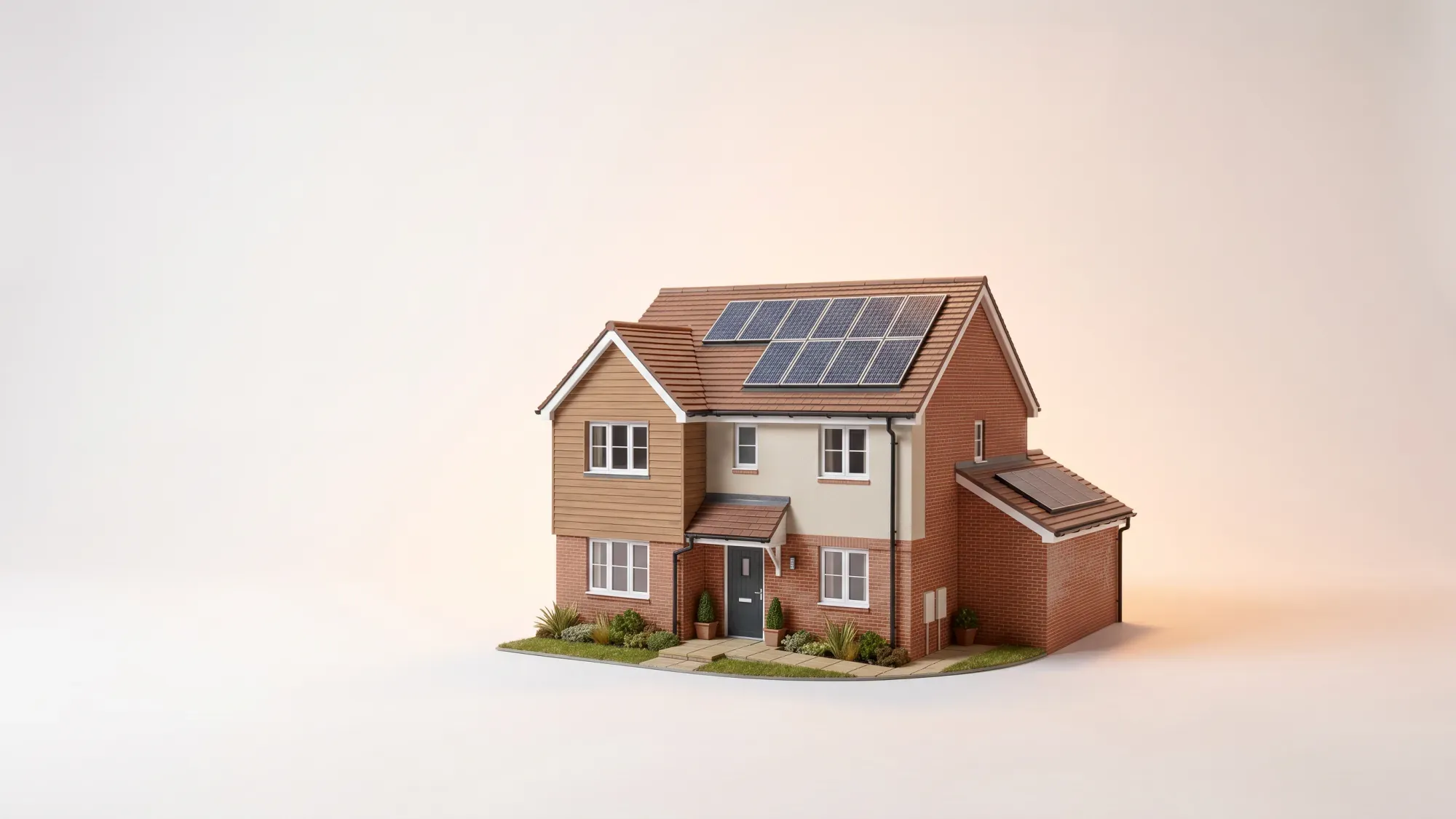
Solar panels convert sunlight into electricity, and their efficiency measures how effectively they do this. For UK homeowners, understanding and maximising solar panel efficiency is key to reducing energy bills and gaining greater control over their home's power supply.
What is solar panel efficiency?
Solar panel efficiency measures how effectively a panel converts the sunlight it receives into usable electricity, expressed as a percentage. This figure indicates the proportion of the sun's energy that a panel can transform into electrical power.
Understanding the basics of photovoltaic conversion
At the heart of every solar panel are photovoltaic (PV) cells, often referred to as solar cells. These cells are made from semiconductor materials, typically silicon, which absorb photons from sunlight. When photons strike the silicon, they knock electrons loose, creating an electric current. This process is known as the photovoltaic effect. The more efficiently a panel can capture these photons and convert them into a flow of electrons, the higher its efficiency.
How efficiency is measured and expressed
Solar panel efficiency is determined under standard test conditions (STC), which include a specific temperature (25°C), solar irradiance (1,000 watts per square metre), and air mass (1.5). These controlled conditions allow for a consistent comparison between different panel models. Modern solar panels typically achieve efficiencies between 20% and 25%, with premium models sometimes exceeding this. Older panels often fall into the 15-20% range. A higher efficiency percentage means the panel can generate more electricity from a smaller surface area, a crucial consideration for UK homes with limited roof space.
Key factors affecting solar efficiency in the UK
While a panel's stated efficiency is a good starting point, several real-world factors can influence its actual performance in the UK.
Sunlight intensity and duration
The amount of sunlight your panels receive directly impacts their output. The UK's climate, with its varying seasons, means that solar generation will naturally be higher in summer due to longer daylight hours and stronger sunlight, and lower in winter. However, even on cloudy days, panels can still generate electricity, albeit at a reduced rate.
Temperature and climate considerations
Despite popular belief, solar panels perform more efficiently in cooler temperatures. As the temperature of a solar panel increases, its efficiency can slightly decrease. This means that while sunny summer days provide abundant light, extreme heat can slightly reduce a panel's peak efficiency. UK temperatures are generally favourable for solar panel performance, avoiding the significant efficiency drops seen in very hot climates.
Panel orientation and shading
The angle and direction your solar panels face are critical. In the UK, a south-facing roof is generally ideal for maximising sunlight exposure throughout the day. Panels facing east or west can still be effective, especially if you want to generate power earlier or later in the day. Shading from trees, chimneys, or neighbouring buildings can significantly reduce a panel's output, as even partial shading on one cell can affect the performance of an entire string of panels.
Solar cell technology and quality
The type of solar cell technology used plays a significant role in efficiency. Monocrystalline solar panels generally offer higher efficiency than polycrystalline panels due to their purer silicon structure. Advances in cell technology, such as PERC (Passivated Emitter Rear Cell) and half-cut cells, continue to push efficiency boundaries, allowing more sunlight to be converted into electricity.
Maximising your solar panel's output
Achieving optimal solar efficiency goes beyond just installing panels; it requires proactive management and smart choices throughout your system's lifespan.
Optimal system design and installation
The initial design and installation of your solar array are paramount. This includes selecting the right number and type of panels for your energy needs and available roof space, ensuring correct orientation and tilt, and minimising potential shading. A professional installer will conduct a thorough site assessment to design a system that is tailored to your home's specific conditions, ensuring maximum generation potential.
Regular maintenance and cleaning
Solar panels are robust, but regular maintenance can prevent efficiency losses. Dust, dirt, bird droppings, and leaves can accumulate on the panel surface, blocking sunlight. While rain often helps to wash panels clean, a periodic manual clean, especially after dry spells, can maintain optimal performance. It's also wise to check for any physical damage or loose connections. Neglecting maintenance can lead to reduced energy output over time.
Proactive monitoring and energy management
Monitoring your solar system's performance allows you to identify and address any issues promptly. Many modern systems come with monitoring apps that provide real-time data on energy generation and consumption. By understanding when your panels are generating the most electricity, you can adjust your energy consumption to align with peak solar generation times, maximising self-consumption and reducing reliance on grid electricity. This can be further enhanced by a smart meter installation which provides detailed usage data.
How does smart technology help with solar efficiency?
Smart technology, such as dedicated energy apps, provides real-time data on your solar panel's generation and your home's energy consumption. This allows you to identify periods of high solar output and adjust your usage, ensuring more of the electricity you generate is used directly in your home.
Integrating energy storage solutions
To further maximise your self-consumption, consider integrating energy storage solutions like home batteries. These allow you to store excess electricity generated during the day for use later, such as in the evening when solar production drops but demand is still high. This reduces the amount of electricity you need to import from the grid and can help you make the most of your solar investment, especially with the Smart Export Guarantee (SEG) which pays for electricity exported to the grid.
Long-term performance and degradation
Solar panels are built to last, but their performance will naturally change over time.
Understanding solar panel degradation rates
Solar panel performance naturally degrades over time, typically by approximately 0.5% per year. This means that a panel rated at 20% efficiency might operate at 19.5% after one year, 19% after two years, and so on. This degradation is a normal part of a panel's lifespan and is accounted for by manufacturers.
Warranties and performance guarantees
Most solar panel manufacturers offer two types of warranties: a product warranty (covering defects in materials and workmanship, usually 10-12 years) and a performance warranty (guaranteeing a certain percentage of the original power output over a longer period, typically 25 years). For example, a common performance warranty might guarantee 90% of the original output after 10 years and 80% after 25 years. Understanding these warranties is important for long-term peace of mind and managing expectations.
Strategies to mitigate efficiency loss
While degradation is inevitable, several strategies can help mitigate significant efficiency loss. Regular cleaning and maintenance, as discussed earlier, are crucial. Additionally, ensuring your system is correctly installed and regularly monitored can help catch and rectify any issues that might accelerate degradation or reduce output prematurely. Choosing high-quality panels from reputable manufacturers with strong warranties also provides a buffer against unexpected performance drops.
Choosing the right solar panels for your home
Selecting the right solar panels involves balancing various factors to suit your home and budget.
Comparing different solar panel types
The primary types of solar panels are monocrystalline and polycrystalline. Monocrystalline panels, made from a single silicon crystal, are generally more efficient and have a sleeker, darker appearance, making them a popular choice for homeowners with limited space. Polycrystalline panels, made from multiple silicon fragments, are typically less efficient but often more affordable. Emerging technologies, such as thin-film panels, are also available but are less common for residential installations.
Balancing efficiency, cost, and aesthetics
Higher efficiency panels often come with a higher price tag. You'll need to weigh the upfront cost against the long-term electricity generation benefits. For homes with ample roof space, slightly less efficient but more affordable panels might offer a better return on investment. Aesthetics also play a role; many homeowners prefer the uniform look of monocrystalline panels. Considering your budget, available space, and visual preferences will guide your decision. For more ways to manage your energy costs, explore our energy saving tips.
The importance of MCS certification
For solar installations in the UK, MCS (Microgeneration Certification Scheme) certification is vital. This quality assurance scheme ensures that products and installers meet rigorous standards. Crucially, MCS certification is required for solar installations to be eligible for the SEG, which mandates that larger energy suppliers pay homeowners for excess renewable electricity exported to the grid. Choosing an MCS-certified installer ensures your system is installed safely, to a high standard, and qualifies for available government schemes.
Achieving energy abundance with efficient solar
Efficient solar panels offer UK homeowners a path to greater energy independence and financial savings.
Reducing your electricity bills and carbon footprint
By generating your own electricity, you can significantly reduce the amount you purchase from the grid, leading to lower electricity bills. The average UK home uses around 2,500 kWh of electricity per year1, and generating a substantial portion of this yourself can make a real difference to your household budget. Furthermore, using solar power reduces your reliance on fossil fuels, cutting your home's carbon footprint and contributing to a cleaner environment. Understanding your energy usage can help you further reduce your energy bill.
Gaining control over your home's energy
Solar energy puts you in control. You're less exposed to fluctuating energy prices and more empowered to manage your consumption. With smart monitoring tools, you can see exactly how much energy you're generating and using, allowing for informed decisions about when to run appliances or charge your electric vehicle. This capability shifts the balance, giving you more autonomy over your home's energy future.
The role of smart technology in optimising solar
Smart technology is transforming how homeowners interact with their solar systems. From apps that provide real-time performance data to smart home devices that automatically shift energy consumption to match solar generation, technology helps you get the most out of your panels. This rigorous understanding and proactive management of solar efficiency moves beyond passive consumption to active optimisation.
References
Disclaimer
For the avoidance of doubt, this article is provided for informational purposes only and is not intended to constitute legal or financial advice. The author and/or Fuse Energy shall not be responsible for any losses arising out of any reliance on the information contained herein.