Solar battery storage: maximise your home's energy
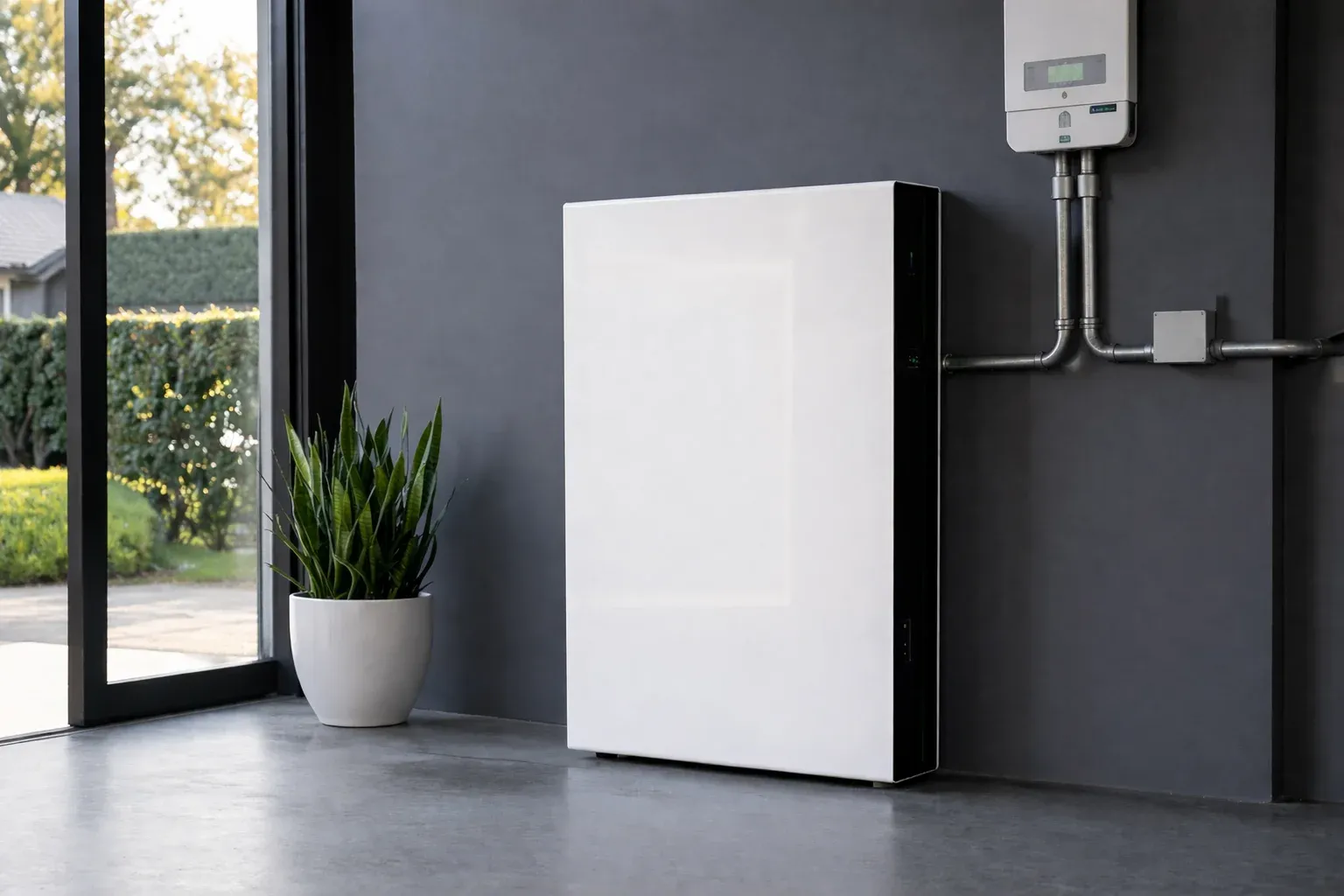
Solar battery storage systems allow UK homeowners to store excess electricity generated by their solar panels for later use, significantly reducing reliance on the National Grid. These systems enable you to maximise your solar self-consumption, using more of the clean energy you generate, and can lead to substantial savings on electricity bills. Integrating solar battery storage with smart energy tariffs can further enhance financial returns by optimising when energy is bought from or sold to the grid.
What is solar battery storage and how does it work?
Solar battery storage systems capture surplus electricity produced by solar panels that is not immediately used by the household. Instead of exporting this energy directly to the grid for a minimal payment, it is stored in a battery for use during periods of low solar generation, such as evenings or cloudy days. This process helps homeowners become more energy independent and make the most of their renewable energy investment.
Components of a solar battery system
A typical solar battery system comprises several key components. At its heart is the battery itself, which stores the electrical energy. An inverter is crucial, converting the direct current (DC) electricity from your solar panels and battery into alternating current (AC) that your home appliances use. Some systems use a hybrid inverter that manages both solar generation and battery charging/discharging. A battery management system (BMS) monitors and controls the battery's performance, ensuring safety and optimising its lifespan. Finally, smart meters track your energy import and export, enabling accurate billing and optimisation with smart tariffs.
The flow of energy
The energy flow in a solar battery system is dynamic. When your solar panels generate more electricity than your home needs, the excess is directed to the battery for storage. When solar generation is low (e.g., at night) or your home's demand is high, the stored energy is discharged from the battery to power your appliances. If the battery is depleted and solar generation is insufficient, your home automatically draws electricity from the National Grid. Conversely, if your battery is full and your home's demand is met, any remaining surplus solar energy can be exported back to the grid, potentially earning you credits through schemes like the Smart Export Guarantee (SEG).
Key terminology explained
Understanding a few key terms can help demystify solar battery storage:
- Depth of discharge (DoD): This refers to the percentage of the battery's total capacity that has been used. For example, a high DoD means a large percentage of the battery's energy has been discharged. Most modern lithium-ion batteries are designed to handle high DoD without significant degradation.
- Round-trip efficiency (RTE): This measures the percentage of energy put into a battery that can be retrieved for use. If you put energy into a battery and get less out, its RTE reflects the percentage retrieved. While manufacturers often advertise high figures, real-world residential operation typically sees lower efficiency due to conversion losses and parasitic loads.
- Cycle life: This indicates the number of charge and discharge cycles a battery can perform before its capacity significantly degrades. Modern solar batteries are designed for thousands of cycles, often backed by warranties.
The benefits of solar battery storage for UK homeowners
Installing a solar battery storage system offers several compelling advantages for homeowners in the UK, transforming how you interact with your energy supply.
Greater energy independence
By storing your self-generated solar electricity, you reduce your reliance on the National Grid and external energy suppliers. This means less vulnerability to fluctuating energy prices and a more stable energy supply for your home. You gain more control over your energy consumption, moving towards genuine energy independence.
Reducing electricity bills
One of the most immediate benefits is the potential for significant savings on your electricity bills. Instead of buying electricity from the grid at peak rates, you can use the free, clean energy stored in your battery. This strategy is particularly effective when combined with smart tariffs that offer cheaper off-peak electricity, allowing you to charge your battery when rates are low and use that stored energy when rates are high.
Maximising solar self-consumption
Without a battery, any excess solar energy your panels generate is automatically exported to the grid. While the SEG offers payments for this exported energy, these rates are typically lower than what you pay to import electricity. A battery allows you to use more of the electricity you produce, increasing your self-consumption and ensuring you get the maximum value from every kilowatt-hour your solar panels generate.
Backup power during outages
While not all systems are configured for it, many solar battery setups can provide backup power during grid outages. This means that even if the National Grid goes down, your essential appliances can remain operational, offering peace of mind and uninterrupted power supply for critical needs.
Key considerations before investing
Before committing to a solar battery storage system, it is important to consider several factors to ensure you choose the right solution for your home and maximise your investment.
Sizing your system
Correctly sizing your battery system is crucial. It needs to match your household's energy consumption patterns and your existing solar generation capacity. The average UK home uses around 2,500 kWh of electricity per year, according to Ofgem's1 medium typical domestic consumption value, effective from 1 July 2026. Your battery's capacity should be sufficient to store enough energy to cover your typical evening and night-time usage, or periods of low solar generation. An installer will assess your energy bills and solar panel output to recommend an appropriate size.
Battery chemistry and lifespan
Most modern solar batteries use lithium-ion technology, specifically Lithium Iron Phosphate (LiFePO4), known for its safety, efficiency, and long lifespan. These batteries typically last between 10 and 15 years, often coming with performance guarantees that ensure a certain capacity retention over their warranty period. Understanding the expected lifespan and degradation characteristics is key to long-term planning.
Installation and costs
The installation of a solar battery storage system should always be carried out by an MCS (Microgeneration Certification Scheme) certified installer. This ensures the system meets high standards of quality, safety, and performance. While Fuse Energy does not install solar panels or battery storage systems, choosing an MCS-certified professional for installation is vital. Costs vary significantly based on battery size, chemistry, and installation complexity, so obtaining multiple quotes is recommended.
Understanding warranties and maintenance
Solar batteries typically come with warranties covering a certain number of cycles or years, guaranteeing a minimum level of performance. It is important to understand what these warranties cover and for how long. Modern lithium-ion batteries are largely maintenance-free, but periodic checks by a professional can ensure optimal performance and longevity.
Optimising your solar battery with smart energy management
Once your solar battery system is installed, the real opportunity lies in smart energy management. This goes beyond simple self-consumption, allowing you to maximise financial returns and energy independence.
Integrating with smart tariffs
Smart energy tariffs are designed to encourage electricity usage during off-peak hours when demand is low and prices are cheaper. By integrating your solar battery with a smart tariff, you can program it to charge using cheap grid electricity overnight and then discharge that stored energy during expensive peak times, further reducing your reliance on high-cost grid power. This intelligent buying and selling strategy significantly enhances the economic benefits of your battery.
App-based control and monitoring
Modern solar battery systems often come with dedicated apps that provide real-time monitoring and control. These apps allow you to track your energy generation, consumption, and battery status. More advanced apps can even learn your energy patterns and weather forecasts to automatically optimise charging and discharging cycles, ensuring your battery works as efficiently as possible.
What is a solar battery's round-trip efficiency?
Round-trip efficiency measures how much energy you can retrieve from a battery compared to what you put in. For example, if you store energy and can use less, that is a lower round-trip efficiency. While manufacturers often quote higher figures, real-world efficiency for home batteries typically ranges lower.
Maximising export opportunities
With a smart energy management system, you can also optimise your export strategy. If your battery is full and you have surplus solar generation, the system can intelligently decide whether to export this energy to the grid via the SEG or hold it, depending on current and forecasted export rates. This ensures you are always getting the best value for your excess energy. Fuse Energy positions itself as an essential partner for optimising your solar battery investment, demonstrating how its smart tariffs and app unlock the full potential of your system, turning stored energy into a tangible advantage.
Is solar battery storage worth it in the UK?
For many UK homeowners, investing in solar battery storage can be a sound decision, offering both financial and environmental benefits.
Financial returns and payback periods
The financial viability of solar battery storage depends on several factors, including the initial cost of the system, your household's energy consumption, the amount of solar energy you generate, and your ability to leverage smart tariffs. By reducing reliance on grid electricity and optimising energy usage, you can significantly lower your electricity bills. The long-term savings and potential earnings from the SEG can lead to a favourable payback period.
Environmental impact
Choosing solar battery storage contributes to a greener future by increasing your use of renewable energy and reducing your carbon footprint. By storing and using your own clean electricity, you decrease demand for fossil fuel-generated power from the grid, supporting the UK's transition to a low-carbon economy.
Future-proofing your home
Investing in solar battery storage future-proofs your home against rising energy costs and potential grid instability. As energy markets evolve and smart grid technologies become more prevalent, having an integrated solar and battery system puts you at the forefront of energy independence. It adds value to your property and provides a resilient energy solution for years to come.
Ultimately, solar battery storage offers UK homeowners a practical way to gain control over their energy, reduce costs, and contribute to a sustainable future.
References
Disclaimer
For the avoidance of doubt, this article is provided for informational purposes only and is not intended to constitute legal or financial advice. The author and/or Fuse Energy shall not be responsible for any losses arising out of any reliance on the information contained herein.