Solar battery: power your home
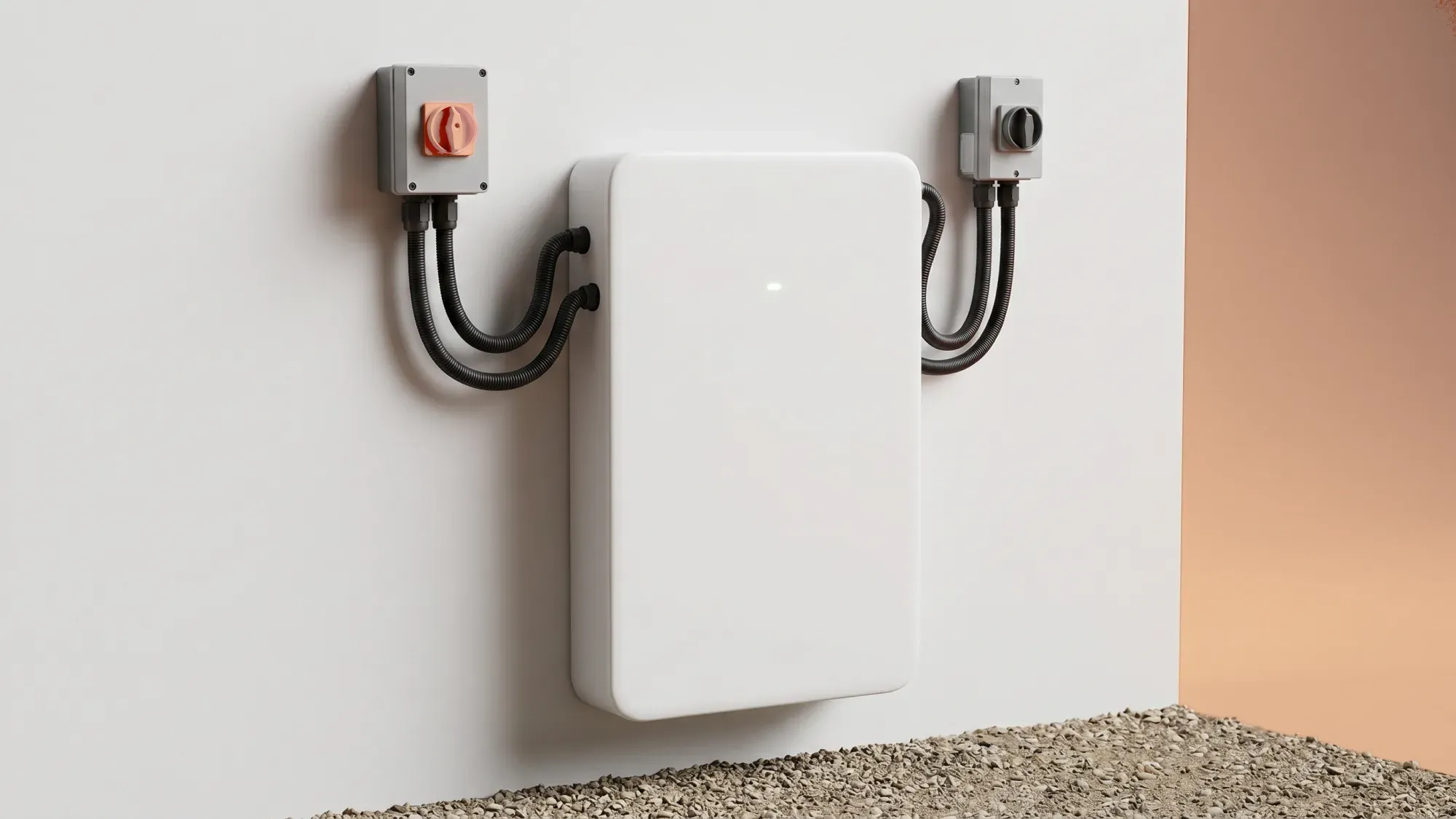
Solar batteries store excess energy from your solar panels for use when the sun is not shining, helping you reduce reliance on the National Grid and lower electricity bills. For UK homeowners, understanding solar battery storage is key to maximising solar energy usage and achieving greater energy independence. This guide will walk you through the benefits, types, costs and installation considerations for solar batteries, empowering you to make informed decisions for your home.
What is a solar battery and how does it work?
A solar battery is a device that stores electricity generated by your solar panels that your household does not use immediately. This stored energy can then be used later, for example, in the evening or overnight, when you would otherwise buy power from the grid.
Capturing and storing solar energy
When your solar panels generate more electricity than your home needs, instead of sending all the surplus back to the grid, a solar battery captures and stores this excess energy. This process increases your "self-consumption" - the amount of solar energy you use yourself - making your solar panel system more efficient. A well-sized battery can increase self-consumption rates from around 30-40% to 70-90%.
Integrating with your home's electricity
The battery integrates with your home's existing electrical system, typically alongside your solar panels and inverter. When your home's demand for electricity exceeds what your solar panels are currently generating, the battery automatically discharges its stored energy to meet that demand. This reduces the amount of electricity you need to import from your energy supplier.
Benefits of solar battery storage for UK homes
Installing a solar battery offers several compelling advantages for UK homeowners, from financial savings to environmental impact.
Reducing electricity bills and maximising self-consumption
One of the clearest benefits of solar battery storage is the potential to significantly reduce your electricity bills. By storing excess solar energy, you can power your home with your own generated electricity during peak times when grid prices are higher, rather than buying from your supplier. This dramatically increases your self-consumption rate, meaning more of your solar energy offsets expensive grid electricity. Some households can achieve bill reductions of 70-85% with a solar battery system.
Achieving energy independence and resilience
Solar batteries enhance your energy independence by reducing your reliance on the National Grid. This means you are less exposed to fluctuating electricity prices and potential power outages. Some battery systems can even provide backup power for selected circuits or your entire home during a blackout, depending on the system's design and installation.
Lowering your carbon footprint
By maximising your use of self-generated renewable energy, you reduce the amount of electricity you draw from the grid, which often comes from fossil fuel sources. This directly contributes to lowering your household's carbon footprint and supporting the UK's transition to a cleaner energy future.
Types of solar batteries for home use
The market offers various solar battery options, each with different characteristics. Understanding these can help you choose the right system for your home.
Lithium-ion batteries: the popular choice
Lithium-ion batteries are currently the most popular choice for home solar installations due to their efficiency, longer lifespan and compact design. They offer high energy density, meaning they can store a significant amount of power in a relatively small space, and typically come with warranties covering many years or charge cycles.
Other battery chemistries and their characteristics
While lithium-ion dominates, other battery chemistries exist. Lead-acid batteries, for example, are generally cheaper upfront but have a shorter lifespan and require more maintenance. Flow batteries offer a longer lifespan but are often less practical for typical residential use due to their size and complexity.
Hybrid vs AC-coupled systems
Solar battery systems can be integrated in two main ways:
- Hybrid systems: These use a single hybrid inverter that manages both the solar panels and the battery. This is often the most efficient option for new solar installations that include a battery from the outset.
- AC-coupled systems: These are typically used when adding a battery to an existing solar panel system. They have a separate inverter for the battery, which connects to the home's alternating current (AC) electrical supply.
Key considerations before investing in a solar battery
Before committing to a solar battery, several factors should influence your decision to ensure the system meets your specific needs.
Battery capacity and power ratings
Battery capacity, measured in kilowatt-hours (kWh), indicates how much energy the battery can store. Power rating, measured in kilowatts (kW), refers to how much electricity the battery can deliver at any given moment. For many 3- to 4-bedroom homes, a usable battery capacity of around 6-10 kWh can be a practical starting point, though the ideal size depends on your daily electricity use, solar generation and tariff structure.
Lifespan and warranty
Solar batteries typically come with warranties ranging from 10 to 15 years, or a certain number of charge cycles. It is crucial to understand these terms, as the lifespan of a battery can influence its overall return on investment. While solar panels often last longer, batteries may need replacing sooner.
Compatibility with existing solar panels
If you already have solar panels, you will need to ensure any new battery system is compatible with your existing inverter and setup. AC-coupled systems are generally more flexible for retrofitting. Your installer can assess your current system and recommend compatible options.
Safety features and certifications
Ensure any chosen battery system adheres to UK safety standards and certifications. For example, PAS 63100:2024 is a UK specification for fire safety in domestic battery energy storage systems, which MCS-certified installers are required to follow. Reputable manufacturers and installers will provide products that meet these requirements, offering peace of mind regarding the system's safety and reliability.
Solar battery costs, ROI and UK grants
The upfront cost of a solar battery is a significant consideration, but understanding the potential savings and available support can clarify the financial picture.
Understanding the upfront investment
The average solar storage battery for a UK home costs around £5,000, with prices ranging from approximately £1,500 to £10,000, depending on capacity, brand and chemistry. Installation fees and the cost of an inverter are also part of the total investment. For example, a 10kWh solar battery typically costs around £4,000-£6,000, including installation and inverter.
Calculating your return on investment
A solar battery can significantly cut electricity bills. While some households may achieve reductions of 70-85% with a battery, a more realistic first-year outcome for many is between 30-55%. The return on investment (ROI) depends on factors like battery size, electricity costs and your home's energy usage patterns. By storing cheaper off-peak electricity or excess solar, you reduce reliance on more expensive peak-rate grid power.
Are solar batteries a worthwhile investment in the UK?
Yes, solar batteries are increasingly worthwhile for UK homeowners. They allow you to maximise self-consumption of solar energy, reduce electricity bills and gain greater energy independence. While the upfront cost can be significant, the long-term savings and enhanced resilience against grid fluctuations often make them a sound financial decision.
Available government schemes and local incentives
While there is not a universal grant for solar batteries available to all homeowners in England in 2026, several schemes and incentives can help reduce costs:
- 0% VAT: The installation of energy-saving technologies, including solar panels and electrical battery storage systems (when installed as part of a renewable energy system), is zero-rated for VAT until 31 March 2027.
- Warm homes: local grant: This scheme helps low-income households, particularly those earning under approximately £36,000 per year or receiving certain government benefits, to install energy-saving measures including solar panels and battery storage.
- Smart Export Guarantee (SEG): Although not a direct grant for the battery itself, the SEG pays you for renewable electricity you export back to the grid. While self-installed plug-in solar kits are not eligible for SEG, battery storage can still be part of an MCS-certified solar installation that qualifies. Some suppliers may offer exclusive higher-rate export tariffs if you have a solar battery.
- Regional and future schemes: Programmes like the Home Energy Scotland Grant and Loan Scheme can provide funding and loans for solar panel installations and battery storage. The UK government is also developing a £15 billion "Warm Homes Plan," which may include low-interest loans for renewable energy upgrades from 2027.
It is important to investigate specific local or national grants that may be available and to check eligibility criteria.
Installation and maintenance of your solar battery system
Professional installation and proper registration are crucial for the safe and efficient operation of your solar battery system.
The professional installation process
Solar batteries must be installed by qualified professionals. The installation process typically involves integrating the battery with your solar panels, inverter and home's electrical system. This ensures all components work together efficiently and safely. The cost of installation can vary based on the battery size, your location and the property's layout.
Grid connection and DNO notification
Before your solar panels and battery can legally export electricity to the grid, your Distribution Network Operator (DNO) needs to be notified. This is a legal requirement that ensures the local electricity network can safely handle your system. For most residential installations, the process is straightforward and typically handled by your installer. Under G98 rules, the consumer or their supplier must notify the DNO within 28 days of installation for systems up to 3.68kW per phase. If your system is larger or configured to export a significant amount of electricity, a DNO application may be required.
Ongoing maintenance and monitoring
Once installed, solar batteries generally require little maintenance. However, monitoring your system's performance is important to ensure it is operating optimally. Many modern battery systems come with apps that provide transparency and control over energy usage, allowing you to track generation, consumption and storage. This capability helps you optimise your battery's use for maximum benefit.
Disclaimer
For the avoidance of doubt, this article is provided for informational purposes only and is not intended to constitute legal or financial advice. The author and/or Fuse Energy shall not be responsible for any losses arising out of any reliance on the information contained herein.