Solar array efficiency: maximise your home's energy
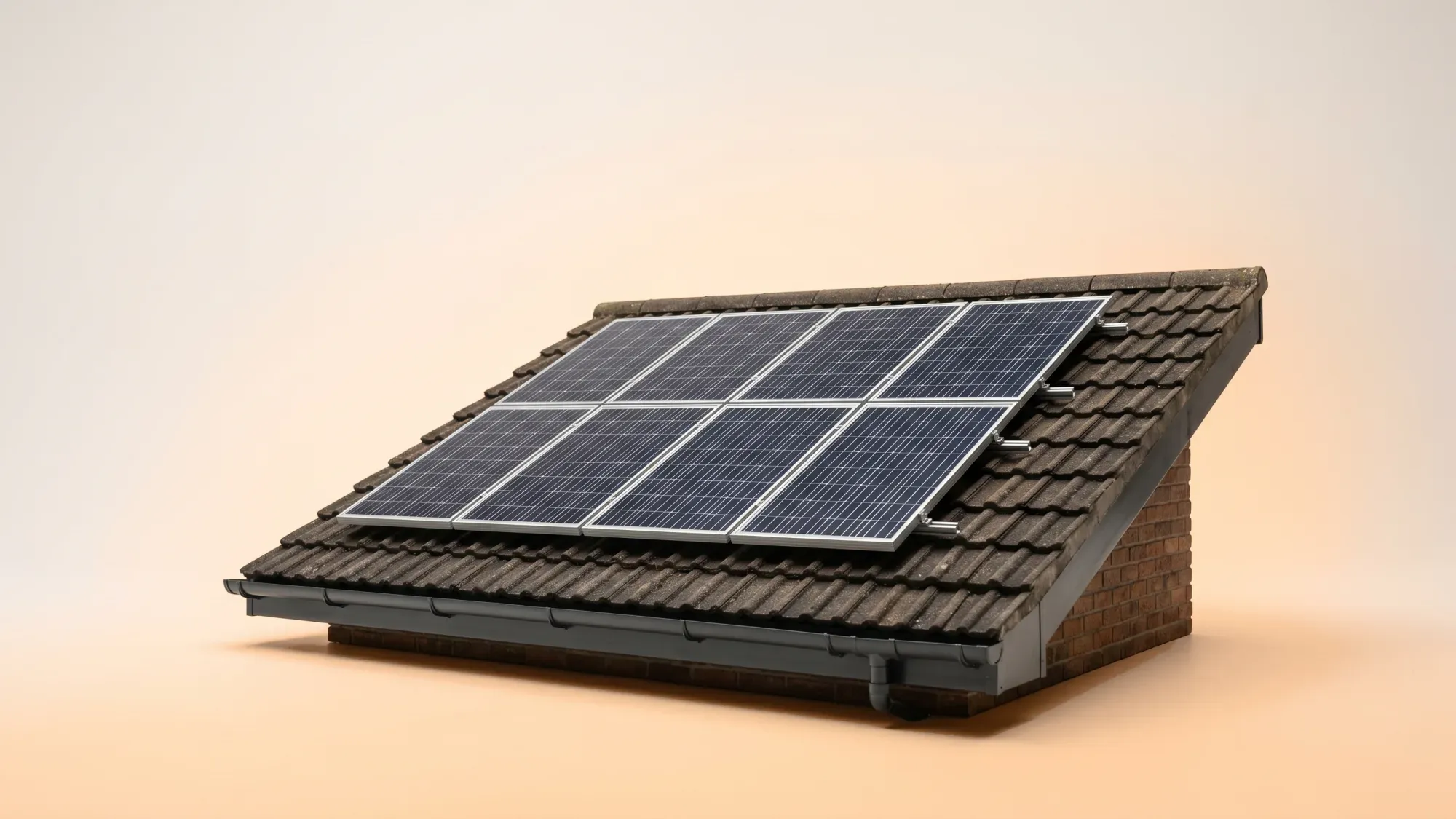
Homeowners across the UK are increasingly turning to solar panels to generate their own electricity, reduce bills, and achieve greater energy independence. However, installing a system is just the beginning; understanding and actively managing your solar array's efficiency is vital to maximising its electricity generation and financial return. This guide outlines data-backed strategies for optimising your home solar setup, ensuring you get the most from your investment.
Generating your own electricity is a smart step towards managing your energy bills. With Fuse Energy, you can gain clear insights into your energy usage and export earnings, helping you make informed decisions about your home's power. Click here to switch to Fuse Energy today.
Enter your address to get a quote and see how much you could save
Understanding solar array efficiency
Solar array efficiency is not a fixed figure. It is a dynamic measure influenced by various factors, from the panels themselves to how they interact with your home's energy ecosystem.
What is solar panel efficiency?
Solar panel efficiency refers to the percentage of sunlight a solar panel can convert into usable electricity. For instance, a panel with 20% efficiency converts 20% of the solar energy it receives into electrical power, with the remainder lost as heat or reflected away. In the UK, where sunlight levels can vary, higher efficiency means more clean energy generated from your installation. Modern residential solar panels typically have efficiency ratings between 15% and 22%, with premium models sometimes reaching 23-25% under ideal laboratory conditions.
Key metrics: nameplate versus real-world performance
The efficiency rating quoted by manufacturers, often called "nameplate" efficiency, is measured under Standard Test Conditions (STC) - a laboratory benchmark at 25°C with 1,000 watts per square metre of light. While useful for comparing different panels, these conditions are rarely replicated on a British roof. Real-world performance is affected by factors like actual temperature, shading, and system components, meaning your array's output will differ from its laboratory rating.
Factors influencing your solar array's performance
Several environmental and systemic elements can significantly impact how much electricity your solar panels produce.
Temperature and weather conditions
While solar panels need sunlight, they do not necessarily thrive in extreme heat. Their optimal operating temperature is typically 25°C. For every degree Celsius above 25°C, solar panel efficiency can decrease by 0.3% to 0.5%. This is measured by the panel's temperature coefficient. Even if the air temperature is 25°C, the panel's surface can be much hotter, sometimes 20-35°C higher, especially on sunny days. The UK's cooler climate can actually be beneficial, as panels often operate closer to their ideal temperature than in hotter countries.
Shading and obstructions
Even partial shading from trees, chimneys, or neighbouring buildings can disproportionately reduce a solar array's output. If one panel in a string is shaded, it can affect the performance of all other panels connected in that series. Proactive shading management is therefore essential for consistent generation.
Panel degradation over time
Solar panels, like any technology, degrade over time. This means their ability to convert sunlight into electricity gradually diminishes. The average degradation rate for solar panels is typically between 0.5% and 1% per year. This gradual loss means that after 25 years, panels might still operate at around 80-90% of their original capacity.
System components: inverters and wiring
The inverter is a critical component that converts the direct current (DC) electricity generated by your panels into alternating current (AC) usable by your home and the grid. The efficiency and quality of your inverter directly impact the overall system's performance. Similarly, the wiring and electrical connections must be properly installed and maintained to minimise energy losses.
Practical steps to boost your solar array's output
Maximising your solar array's output involves a combination of regular upkeep and smart management.
Regular cleaning and maintenance
Dust, dirt, pollen, and bird droppings can accumulate on your solar panels, blocking sunlight and reducing efficiency. While rain can help, regular cleaning, especially during dry spells, can significantly improve performance. Most manufacturers recommend cleaning panels a few times a year. Beyond cleaning, periodic professional inspections can identify loose connections, damaged wiring, or other issues that might hinder performance.
Optimising panel orientation and tilt
While initial installation determines the fixed orientation and tilt of your panels, understanding their impact is key. In the UK, south-facing roofs generally receive the most sunlight, and an optimal tilt angle (typically between 30-40 degrees) maximises annual generation. If your panels are not optimally oriented, understanding this can help manage expectations and inform other optimisation strategies.
Shading management strategies
Mitigating shading is paramount. This could involve trimming trees, removing new obstructions, or, in some cases, using micro-inverters or power optimisers. These devices allow individual panels to operate independently, preventing a single shaded panel from dragging down the performance of the entire array.
Monitoring your system's performance
Regularly monitoring your solar array's output is one of the most effective ways to identify performance issues early. Many modern solar systems come with monitoring apps that provide real-time data on generation. A sudden or gradual drop in output that is not explained by weather conditions could indicate a problem requiring attention. Fuse's app, for example, provides insights into your energy usage and export earnings, helping you understand your consumption patterns.
Integrating solar with smart home energy management
True energy independence comes from not just generating electricity, but intelligently managing how and when you use it.
The role of battery storage
Battery storage systems allow you to store excess electricity generated by your solar panels during the day and use it later, for example, in the evening when generation is low and demand is high. This increases your self-consumption, reducing reliance on grid electricity and potentially saving you money. It also provides a buffer against power outages.
Smart energy optimisation and usage patterns
Integrating your solar array with smart home energy management systems allows you to automate energy usage based on generation. For example, you could programme appliances like washing machines or dishwashers to run when your solar panels are producing the most electricity. This ensures you are using your self-generated power rather than importing from the grid. The average UK home uses around 2,500 kWh of electricity per year, making efficient solar generation and smart management crucial for energy independence.
What is the Smart Export Guarantee (SEG)?
The SEG is a UK government-backed scheme requiring larger energy suppliers to pay homeowners for surplus renewable electricity exported to the grid. To be eligible, installations typically need to be MCS certified, have an export meter, and an export MPAN. Suppliers set their own tariff rates, which must be above zero.
Future-proofing your solar investment
As technology evolves, integrating new solutions like smart EV charging, which can draw power directly from your solar array or battery, further enhances your system's value. This holistic approach to energy management helps you adapt to changing energy needs and market conditions.
Long-term performance and your energy future
Understanding the lifespan of your components and planning for the future ensures sustained benefits from your solar investment.
Understanding warranties and lifespan
Most solar panels come with performance warranties, often guaranteeing at least 80-90% of their original power output after 25 years. Inverters, however, typically have a shorter lifespan and may need replacing after 10-15 years. Being aware of these timelines helps you budget for potential replacements and ensures your system continues to operate efficiently.
When to consider upgrades or expansion
Over time, advancements in solar technology may offer significantly higher efficiencies or better integration with smart home systems. If your energy needs increase, or if your existing panels are approaching the end of their optimal performance, considering upgrades or expanding your array can be a sensible step. Remember that for any grid-connected solar installation, you or your supplier must notify your Distribution Network Operator (DNO) within 28 days of commissioning, typically under G98 for smaller systems.
By actively managing and optimising your solar array, you are not just generating electricity; you are taking control of your home's energy future. This empowers you with abundant energy, reducing reliance on the grid and aligning with a vision of a more resilient energy system.
Managing your home's energy should be straightforward and rewarding. Fuse Energy offers clear pricing, real-time usage data, and 24/7 human customer support to help you make the most of your energy. Our smart meter upgrades are free, making it easier to track your spending and make informed decisions. Discover a modern energy experience designed around you. Click here to switch to Fuse Energy today. You can also learn more about our mission to transform energy by clicking here.
Disclaimer
For the avoidance of doubt, this article is provided for informational purposes only and is not intended to constitute legal or financial advice. The author and/or Fuse Energy shall not be responsible for any losses arising out of any reliance on the information contained herein.