Oil central heating: alternatives and future
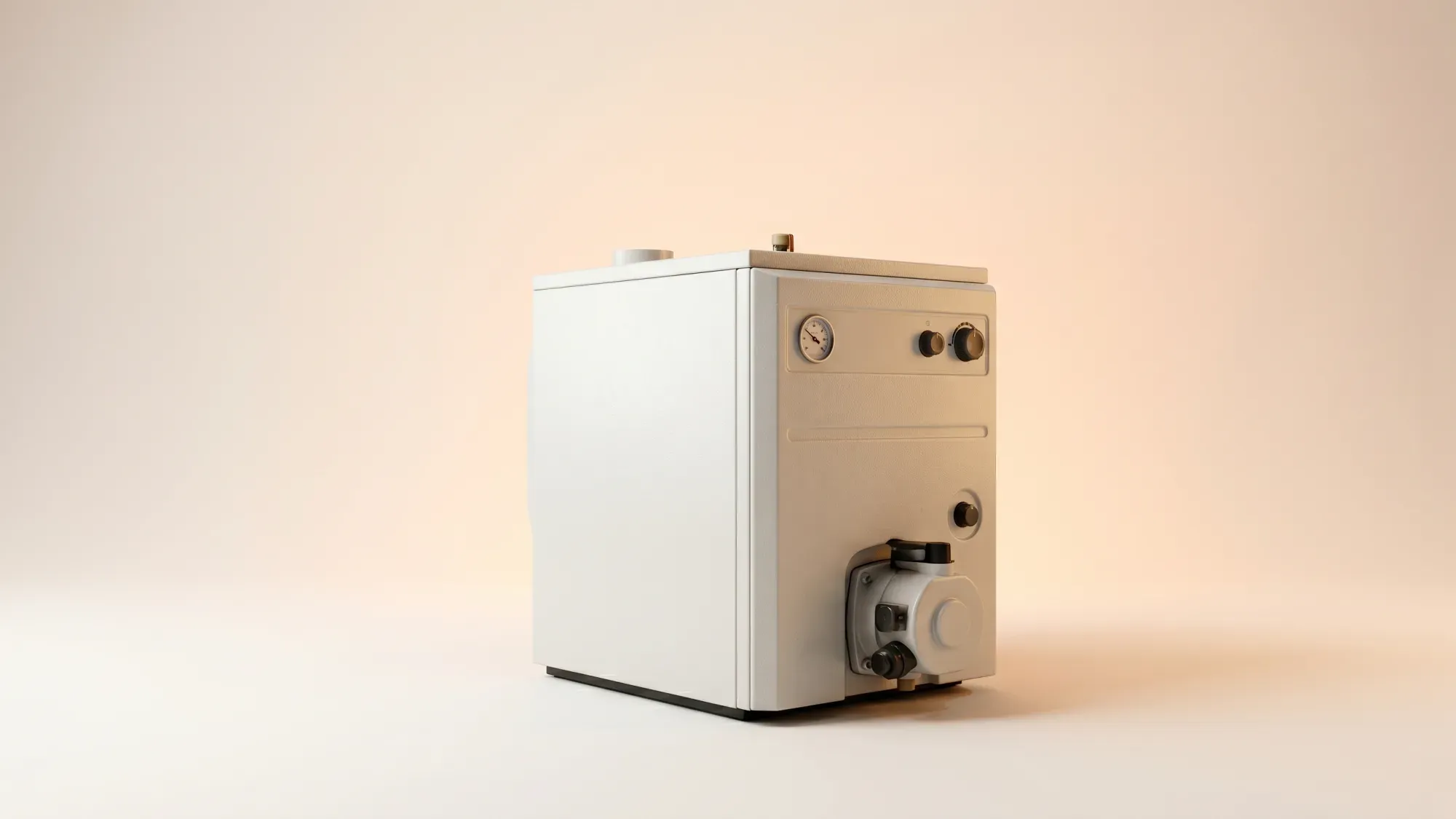
Oil central heating is a common solution for many off-grid homes in the UK, but rising costs, environmental concerns, and uncertain long-term viability are prompting homeowners to explore modern alternatives. This guide will help you understand the costs and efficiency of oil central heating and explore future-proof options for your home.
For homes relying on oil central heating, exploring electric alternatives can offer greater control and efficiency. Fuse Energy champions efficient electric heating, offering clear pricing and in-app tools to help you track your consumption and manage your home's power effectively. Click here to see how Fuse can support your energy needs.
Enter your address to get a quote and see how much you could save
What is oil central heating?
Oil central heating systems provide warmth and hot water to properties not connected to the main gas grid, typically found in rural areas across the UK. These systems rely on heating oil, usually kerosene, stored in a tank on the property.
How oil central heating works
An oil central heating system functions by burning heating oil in a boiler to produce hot water. This hot water is then circulated through a network of pipes to radiators throughout your home, providing space heating. It also heats the water stored in a hot water cylinder for domestic use. The system operates independently of the gas grid, giving homeowners control over their fuel supply.
Pros and cons of oil heating
Oil central heating offers some advantages, particularly for off-grid properties. It provides a high heat output, making it effective for larger or older homes, and offers independence from the gas network. Modern oil boilers can also be highly efficient.
However, there are notable drawbacks. The price of heating oil is volatile, fluctuating based on global demand and supply, which makes budgeting unpredictable. Homeowners must also manage fuel deliveries and ensure they do not run out, especially in colder months. Oil heating systems require a storage tank, which can take up outdoor space and needs annual servicing. As a fossil fuel, oil combustion produces carbon dioxide, contributing to environmental concerns.
Understanding running costs and efficiency
The running costs of oil central heating are influenced by several factors, including the price of heating oil, the efficiency of your boiler, and your home's insulation.
Factors affecting oil heating costs
The primary driver of oil central heating costs is the price of heating oil, which can fluctuate significantly. An average oil-powered household in the UK might use a significant amount of heating oil annually, with prices ranging widely. This volatility can lead to hundreds of pounds of extra cost if you need to refill your tank when prices are high. Other factors include the size and insulation of your home, how warm you keep it, and how many hours your heating is active each day.
Oil boiler efficiency explained
Boiler efficiency measures how effectively your system converts fuel into usable heat. In the UK, efficiency is often rated using the Energy-related Products (ErP) Directive, with ratings from A+++ to G.
What is boiler efficiency?
Boiler efficiency measures how much of the fuel your boiler consumes is converted into usable heat for your home. For example, a highly efficient boiler converts most of the fuel it consumes into heat, with only a small portion lost. Higher efficiency means less waste and lower heating bills.
Older, non-condensing oil boilers (pre-2005) can operate at significantly lower efficiencies. In contrast, modern condensing oil boilers typically achieve high efficiencies, meaning they waste less energy. Upgrading from a lower-rated to a higher-rated efficient boiler could lead to substantial annual savings.
Comparing oil with other fuels
When comparing heating oil with other fuels, direct electric heating (such as electric boilers or panel heaters) can be significantly more expensive per kilowatt-hour (kWh) of heat compared to heating oil. However, highly efficient electric alternatives like heat pumps can offer comparable or even lower running costs than oil.
The future of oil heating in the UK
The landscape for oil central heating in the UK is changing due to government policy and environmental commitments.
Government policy and phase-out plans
The UK government is committed to decarbonising heating to meet net-zero targets by 2050. This involves a long-term shift away from fossil fuels like heating oil. While there is no immediate ban on existing oil boilers, the focus is on phasing out new installations.
The government initially proposed phasing out new fossil fuel heating systems in off-gas-grid homes from 2026. While the timeline has seen some adjustments, the general direction is a transition away from fossil fuels. For new-build homes, oil and gas boilers can no longer be installed from 2025 as part of the Future Homes Standard, which requires low-carbon heating systems. The government's stated aim is to phase out the installation of new oil and gas boilers across all UK homes by 2035. This means that when an existing system reaches the end of its life, homeowners will be expected to choose a low-carbon alternative.
Environmental impact of oil heating
As a fossil fuel, heating oil produces carbon dioxide (CO2) when burned, contributing to greenhouse gas emissions and climate change. Reducing emissions from heating buildings is crucial for the UK to achieve its net-zero goals. The shift away from oil heating is a vital component of national efforts to cut household emissions and protect the environment.
Modern alternatives to oil central heating
For off-grid homeowners, several modern, efficient, and future-proof alternatives to oil central heating are available.
Heat pumps: an efficient electric solution
Heat pumps are a leading low-carbon heating technology, offering significantly higher efficiency than traditional boilers. They work by extracting heat from the air or ground and transferring it into your home.
Air source heat pumps can achieve efficiencies of 300% or more, meaning they produce 3 or more units of heat for every unit of electricity consumed. This makes them a highly efficient choice, especially when powered by increasingly clean electricity. While the upfront installation cost can be higher than a traditional boiler, government grants like the Boiler Upgrade Scheme can significantly reduce this.
Other low-carbon heating options
Beyond heat pumps, other electric heating alternatives are gaining traction, particularly for off-grid properties. These include modern electric boilers, which are a greener choice compared to liquefied petroleum gas (LPG) or oil, and advanced electric radiators. Infrared heating systems are also an option, particularly for well-insulated homes, as they heat surfaces directly. These modern electric systems often integrate smart controls for precise temperature management and can be easily combined with renewable electricity sources like solar panels.
Home energy upgrades for efficiency
Regardless of your chosen heating system, improving your home's overall energy efficiency is paramount. This includes upgrading insulation (loft, cavity wall, solid wall), ensuring good airtightness, and potentially installing double glazing. These measures reduce heat loss, meaning your heating system needs to work less to maintain a comfortable temperature, thereby lowering running costs. Many grants are available to help with energy efficiency upgrades.
Making the switch: your next steps
Transitioning away from oil central heating can seem daunting, but a phased approach can make it manageable and cost-effective.
Assessing your home's suitability
Before making any decisions, evaluate your current oil central heating system's efficiency and condition. Consider your home's insulation levels, as this significantly impacts the performance and running costs of any new heating system, especially heat pumps. A well-insulated home will maximise the benefits of low-carbon heating.
Grants and financial support
The UK government offers various grants and schemes to support homeowners in switching to low-carbon heating. The Boiler Upgrade Scheme (BUS) provides grants of £7,500 towards the installation of air or ground source heat pumps in England and Wales. For households currently on heating oil, an uplifted £9,000 grant has been available since 21 July 2026. The MCS-certified installer applies for this grant on the homeowner's behalf, and the grant value is deducted from the installation quote. Additionally, the Energy Company Obligation (ECO4) scheme offers financial assistance, including fully funded heat pump installations, for low-income households in England, Scotland, and Wales.
Planning your transition to abundant energy
Planning a phased transition allows you to move towards a more efficient and future-proof heating solution at your own pace. Start by researching the best alternatives for your property type and location. Investigate available grants and consider combining a new heating system with home energy upgrades to maximise efficiency and long-term savings. This proactive approach helps you take control of your energy future, moving towards a world where energy is abundant and not a source of anxiety.
Managing your home's energy should be simple and transparent. Fuse Energy offers clear pricing, real-time usage data through our app, and 24/7 human customer support to help you make informed decisions about your energy consumption. Switching to Fuse is quick and easy, allowing you to take control of your bills and contribute to a greener future. Click here to switch to Fuse Energy today. You can also learn more about our mission to make energy abundant by clicking here.
Disclaimer
For the avoidance of doubt, this article is provided for informational purposes only and is not intended to constitute legal or financial advice. The author and/or Fuse Energy shall not be responsible for any losses arising out of any reliance on the information contained herein.