Finding your home without gas can be unsettling, but knowing the right steps can ensure your safety and help restore your supply. Beyond immediate fixes, a gas outage can also be an opportunity to explore modern, efficient electric alternatives for heating, cooking, and hot water.
When your gas supply is interrupted, it's a good time to consider how electric alternatives can make your home more resilient and efficient. Fuse Energy helps you manage your home's electricity with clear pricing and smart insights. Click here to switch to Fuse Energy today.
Your first priority when experiencing a gas outage is always safety. Quick, calm action can prevent potential hazards and help you identify the cause of the problem.
What to do if you smell gas
If you smell gas, or are concerned about carbon monoxide, act immediately. Open all windows and doors to ventilate the property, extinguish any naked flames, and do not switch electrical appliances on or off. Leave the property and call the National Gas Emergency Service on 0800 111 999 from a safe location. Do not re-enter your home until a Gas Safe registered engineer confirms it is safe.
Checking for a wider outage or isolated issue
Before contacting anyone, check if the problem is isolated to your property or part of a wider outage. Ask neighbours if they also have no gas. You can also check your gas network operator's website for updates on local supply issues. This helps determine if the problem is with your home's internal system or the wider gas network.
Locating and checking your gas meter and emergency control valve
Sometimes, a loss of gas supply can be due to a simple issue with your meter or emergency control valve (ECV). Your gas meter is usually located outside your property in a meter box, or inside near the entry point of the gas supply. The ECV is typically a red or yellow lever or tap next to the meter. Ensure the ECV is in the "on" position (usually aligned with the pipe). If you have a prepayment meter, check if you have credit. If the ECV was off, turning it back on might restore supply, but if you're unsure, or if it keeps turning off, contact a Gas Safe registered engineer.
Knowing who to call is crucial when you have no gas. The correct contact depends on the nature of the problem.
The National gas emergency service: 0800 111 999
For any gas emergency, including a smell of gas, carbon monoxide concerns, or if your gas supply has cut out and you're unsure why, the National Gas Emergency Service is your first point of contact. You can call them free of charge on 0800 111 999 from any phone. This service operates 24/7 and will dispatch a Gas Safe registered engineer if needed.
Contacting your gas network operator
Your gas network operator is responsible for the gas pipes and infrastructure in your area, not your energy supplier. If there's a wider outage, or an issue with the gas mains, they are the ones who will fix it. You can find out who your gas network operator is by visiting the Energy Networks Association website and using their postcode lookup tool.
Informing your energy supplier
Once you've ensured safety and ruled out a network-wide issue, you may need to contact your energy supplier. They can advise on issues related to your account, meter, or if the problem is specific to your property's internal gas system. However, for emergencies or network faults, always contact the National Gas Emergency Service first.
While you await the restoration of your gas supply, there are several temporary measures you can take to maintain comfort and continue with daily routines.
Electric heaters and alternative heating methods
Electric heaters can provide warmth for individual rooms, offering a quick and portable solution. Fan heaters deliver instant heat, while oil-filled radiators provide a more sustained warmth. Ensure you use them safely, avoiding overloading sockets or placing them near flammable materials. For a short-term solution, extra layers of clothing, blankets, and hot water bottles can also help keep you warm.
Portable cooking appliances and meal preparation
With no gas for your hob or oven, electric alternatives become invaluable. Portable induction hobs, slow cookers, microwaves, and electric kettles can handle most cooking needs. Consider preparing simple meals that do not require extensive cooking, or using pre-prepared foods. Even an electric barbecue, used safely outdoors, can be a temporary cooking option.
Electric immersion heaters and instantaneous hot water
If your hot water is supplied by a gas boiler, an electric immersion heater can provide hot water if your cylinder is equipped with one. These are typically backup heating elements within your hot water tank. For instant hot water at a single point, an electric instantaneous water heater can be installed, though this might be a more involved temporary fix. Electric showers, if already installed, will continue to provide hot water independently of your gas supply.
A gas outage can highlight your reliance on a single fuel source. Looking ahead, modern electric alternatives offer efficiency, control, and reduced dependency on gas.
Heat pumps for efficient home heating and hot water
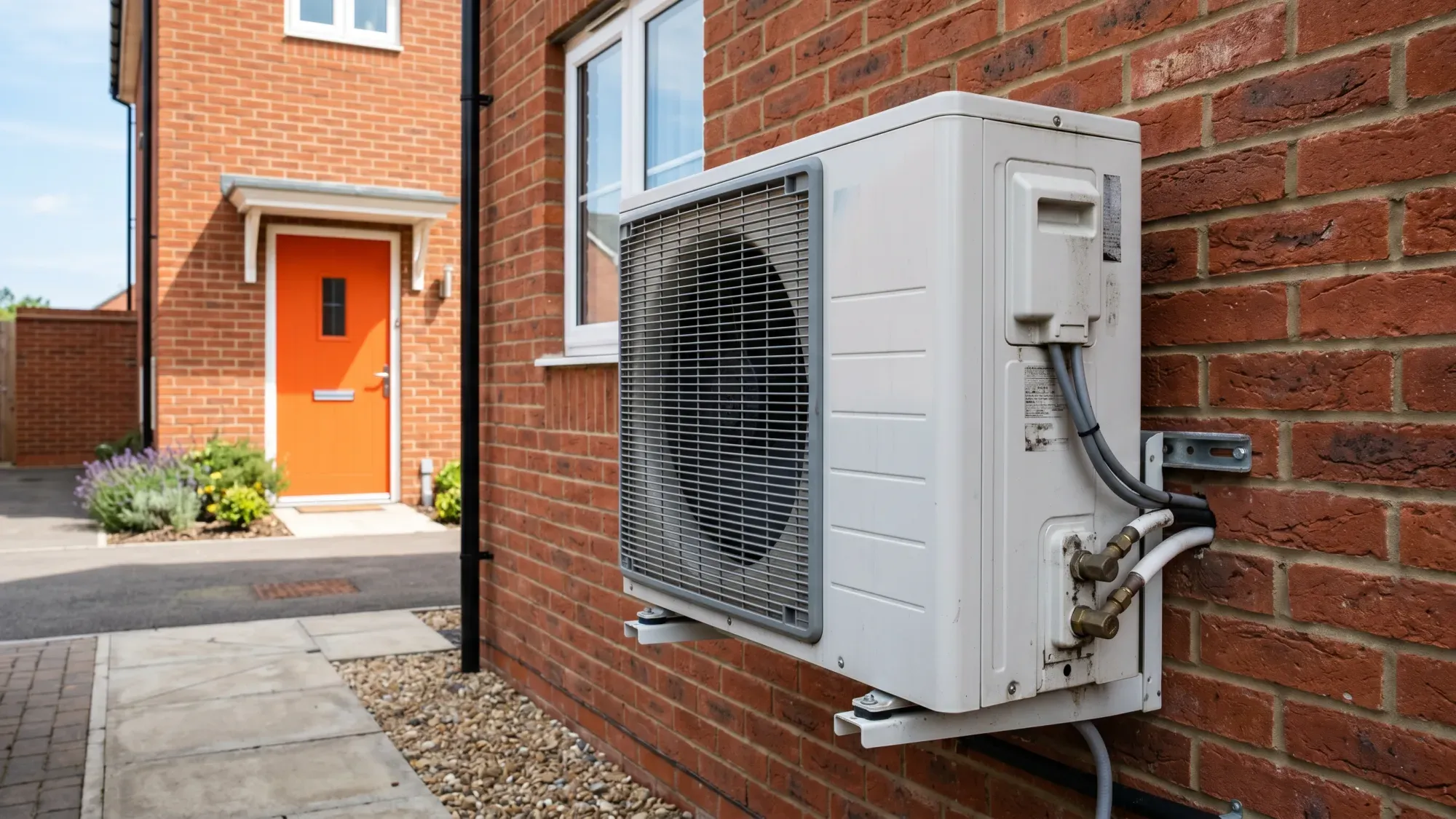
Heat pumps are a highly efficient electric alternative for both heating your home and providing hot water. They work by extracting heat from the air, ground, or water, and transferring it into your home, even in cold temperatures. This technology can significantly reduce your reliance on gas, offering a greener and often more cost-effective heating solution in the long run.
Induction hobs and electric ovens for modern cooking
Induction hobs offer precise temperature control and rapid heating, often outperforming gas hobs in speed and efficiency. Paired with a modern electric oven, they provide a sleek, safe, and powerful cooking experience. Moving to all-electric cooking simplifies your kitchen's energy needs and eliminates the need for a gas supply to the appliance.
Electric showers and water heaters for reliable hot water
Electric showers heat water on demand, meaning they do not rely on your boiler or a hot water tank. For homes without a gas supply, or those looking to reduce gas use, electric showers are a reliable and efficient option. Similarly, modern electric water heaters can provide a consistent supply of hot water without any gas connection, ensuring you always have hot water when you need it.
Transitioning away from gas is not just about replacing appliances; it is about future-proofing your home's energy system and gaining greater control.
Understanding your home's suitability for electric upgrades
Assessing your home's current electrical infrastructure is key before making significant electric upgrades. This might involve checking your consumer unit (fuse box) capacity and considering if any wiring upgrades are necessary to support new electric heating or cooking appliances. Consulting with a qualified electrician can help you understand the best path for your property.
The benefits of smart energy management and the Fuse app
Embracing electric alternatives goes hand-in-hand with smart energy management. The Fuse app gives you greater capability and control over your home energy. By monitoring your electricity usage and optimising when you use high-demand appliances, you can make the most of cheaper off-peak rates and manage your overall energy consumption effectively. Fuse's 24/7 human customer support is also available to assist you as you transition to and optimise electric home energy systems.
Exploring plug-in solar for energy independence
For those seeking even greater energy independence, plug-in solar offers an accessible entry point. These small solar panel systems can be plugged into a standard wall socket, allowing you to generate your own electricity and reduce your reliance on the grid. SI 2026/848 has applied to compliant plug-in solar since 27 August 2026, allowing an 800W AC export limit per device. This means homeowners and tenants can now legally connect these systems, taking a step towards generating their own power.
During any energy supply interruption, extra support is available for vulnerable customers through the Priority Services Register (PSR).
Who is eligible for the Priority Services Register?
You may be eligible for the PSR if you are of State Pension age (66 or older), have a disability or long-term health condition (including mental health conditions), have sight or hearing impairments, or if you rely on medical equipment that uses electricity. Eligibility also extends to those with young children (5 years old or under), or individuals recovering from an injury or recent hospital stay. The register is designed to provide additional support during power cuts or supply interruptions, ensuring vulnerable customers receive the help they need.
How to register for extra support during outages
Registering for the PSR is free and straightforward. You can contact your energy supplier or gas network operator to sign up. You will need to provide some basic information, such as a secondary phone number or an alternative contact's details, and the reason for your eligibility. Once registered, you will receive priority support, including proactive communication during outages and assistance if you need alternative heating or cooking facilities. If you switch energy suppliers, remember to re-register with your new provider to ensure continuous support.