New boiler finance
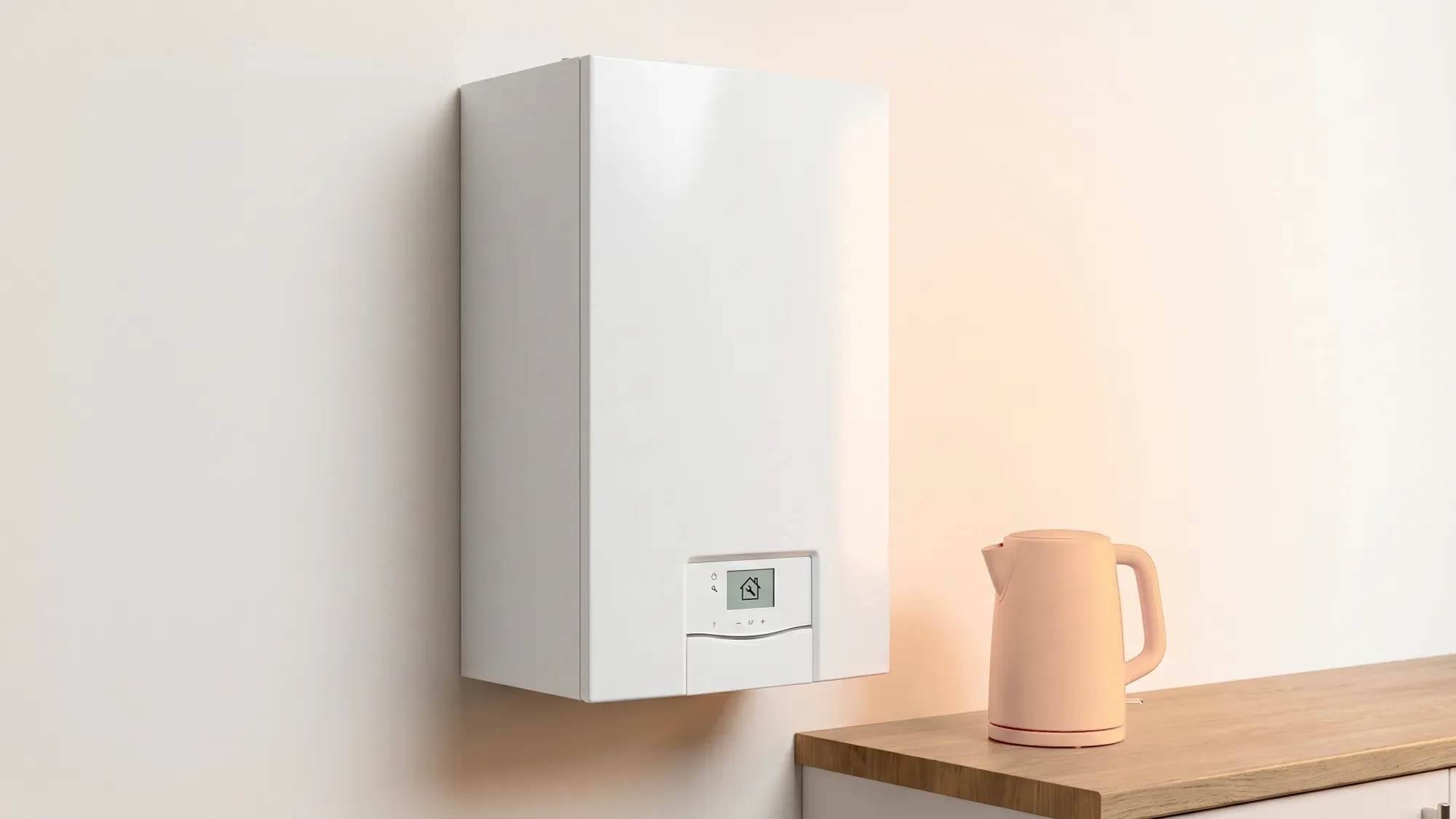
Replacing an old, inefficient boiler is a critical home upgrade for UK homeowners, but the upfront cost can be a significant hurdle. New boiler finance options make these essential installations more accessible, allowing you to spread the cost over time. This guide explores how boiler finance works, the types available, and what you need to consider to make an informed decision for your home.
Considering new boiler finance can give you more control over your home's comfort and energy efficiency. Fuse Energy is committed to making home energy upgrades straightforward, helping you manage costs and enjoy a modern heating system.
Understanding boiler finance options
What is boiler finance?
Boiler finance allows you to purchase and install a new boiler without paying the full amount upfront. Instead, a finance provider covers the initial cost, and you repay them in regular instalments over an agreed period. This turns a large, one-off expense into manageable monthly payments.
Why consider financing a new boiler?
The cost of a new boiler installation in the UK typically ranges from £1,500 to £5,000, depending on the boiler type, brand, and installation complexity. This can be a substantial sum, particularly if an unexpected breakdown forces an urgent replacement. Financing spreads this cost, making it easier to budget for a modern, energy-efficient heating system. This can improve your home's comfort and potentially reduce your energy bills without immediate financial strain.
How boiler finance works
Boiler finance operates much like any other loan. A financial institution provides the funds for your new boiler and installation, and you then repay that institution. The terms of the agreement, including interest rates and repayment periods, are set out in a consumer credit agreement, which is regulated by the Financial Conduct Authority (FCA) in the UK. Finance providers are legally required to clearly state the Annual Percentage Rate (APR) and the total cost of credit to consumers.
Types of finance available
You'll generally find two main types of boiler finance:
- Interest-bearing finance: This is a standard loan where interest is charged on the amount borrowed. Representative APRs for boiler finance can vary significantly, often starting from 8% to 11.9% for longer terms. The repayment period can range from a few years up to 10 years or more, impacting your monthly payments and the total amount repayable.
- Interest-free finance: Some providers offer interest-free boiler finance options, usually for shorter repayment periods, typically 12 to 48 months. This means you only repay the original cost of the boiler and installation, without any additional interest charges. These options often come with stricter eligibility criteria or may require a larger deposit.
Interest-free vs interest-bearing options
Choosing between interest-free and interest-bearing finance depends on your financial situation and priorities. Interest-free options are appealing as they save you money on interest, but they typically have shorter repayment terms, leading to higher monthly payments. Interest-bearing options offer lower monthly payments over a longer period, making them more affordable in the short term, though you'll pay more overall due to interest.
Key terms to understand
- APR: This is the annual cost of your loan, including interest and any other charges. It helps you compare the true cost of different finance offers.
- Loan term: This is the length of time over which you will repay the loan, typically expressed in months or years. A longer loan term means lower monthly payments but usually a higher total amount repaid due to more interest accruing.
- Total cost: This is the sum of the original boiler cost, plus all interest and fees charged over the loan term. Always understand this figure before committing to any finance agreement.
Eligibility for boiler finance
Eligibility for boiler finance depends on several factors, primarily your financial standing and credit history. Finance providers assess your ability to repay the loan responsibly.
Credit score and financial history
A good credit score is crucial for securing favourable finance terms, especially for interest-free options. Lenders use your credit history to gauge your reliability as a borrower. Applying for finance without first checking eligibility criteria can lead to rejections that may impact your credit score.
Income and employment requirements
Lenders will typically require proof of stable income and employment to ensure you can afford the monthly repayments. This might include payslips, bank statements, or tax returns if you are self-employed.
Other factors (age, residency)
You must usually be over 18 years old and a permanent UK resident to be eligible for boiler finance. Some providers may also have minimum residency requirements in the UK.
The boiler finance application process
Securing finance for your new boiler involves a clear, step-by-step process.
Steps to apply
- Assess your needs: Determine if a new boiler is necessary and what type of boiler suits your home.
- Obtain quotes: Get detailed quotes for a new boiler installation, including the model and labour costs.
- Compare finance options: Research and compare various finance offers, paying close attention to APRs, terms, and repayment structures.
- Check eligibility: Conduct a soft credit check (if available) to understand your likely eligibility without impacting your credit score.
- Submit application: Provide all required personal and financial documentation.
- Finalise agreement: Once approved, ensure you fully understand all terms before signing the finance agreement and proceeding with the installation.
What documents you'll need
Typically, you'll need:
- Proof of identity (e.g., passport or driving licence)
- Proof of address (e.g., utility bill or bank statement)
- Proof of income (e.g., recent payslips or bank statements)
- Bank account details for Direct Debit payments
What happens after application
After submitting your application, the finance provider will conduct a credit check and assess your financial information. You'll usually receive a decision within a short period, often instantly or within a few days. If approved, you'll be presented with the full terms of the finance agreement to review and sign.
Choosing the right finance for your new boiler
Making the right choice for boiler finance means looking beyond just the monthly payment.
Comparing offers and providers
Focusing solely on low monthly payments without considering the overall loan term and the total amount repayable is a common pitfall. Always compare finance offers from multiple providers to secure the most favourable terms. Look at the APR, the total cost of credit, any fees, and the flexibility of repayment options.
Considering the Vaillant Ecotec plus with Fuse Energy
Fuse Energy exclusively installs Vaillant Ecotec Plus gas boilers. These are known for their efficiency and reliability, aligning with Fuse's commitment to modern, reliable home heating. Fuse aims for transparency in its services, including clear communication about finance options and the installation process for Vaillant boilers. Fuse also provides 24/7 human customer support to assist customers throughout their boiler installation and finance journey, ensuring peace of mind.
Does the Boiler Upgrade Scheme apply to gas boilers?
No, the Boiler Upgrade Scheme (BUS) grant of £7,500 is specifically for heat pump installations and does not apply to gas boilers. It is a government initiative designed to support the installation of low-carbon heating systems, not traditional gas boilers. For information on grants for heat pumps, you can explore the air source heat pump grant page.
Finding the right finance for your new boiler can make a significant difference to your home's comfort and your budget. Fuse Energy is here to help you navigate your energy needs with clear pricing and dedicated support. Our goal is to provide you with the power to play with your home comfort, ensuring you have access to efficient heating solutions.
Frequently asked questions about boiler finance
Can I get boiler finance with bad credit? While it can be more challenging, some lenders specialise in finance for individuals with less-than-perfect credit. However, you may be offered higher interest rates. It's always best to check your credit score and understand your options before applying.
Are there any hidden fees with boiler finance? Reputable finance providers are required to disclose all fees and charges upfront. Always read the terms and conditions carefully to ensure you understand the total cost of finance, including any administration fees or early repayment charges.
Can I repay my boiler finance early? Most consumer credit agreements allow for early repayment. This can often save you money on interest, especially with interest-bearing loans. Check the terms of your specific agreement for details on early repayment options and any associated fees.
Disclaimer
For the avoidance of doubt, this article is provided for informational purposes only and is not intended to constitute legal or financial advice. The author and/or Fuse Energy shall not be responsible for any losses arising out of any reliance on the information contained herein.