Monocrystalline solar panels explained
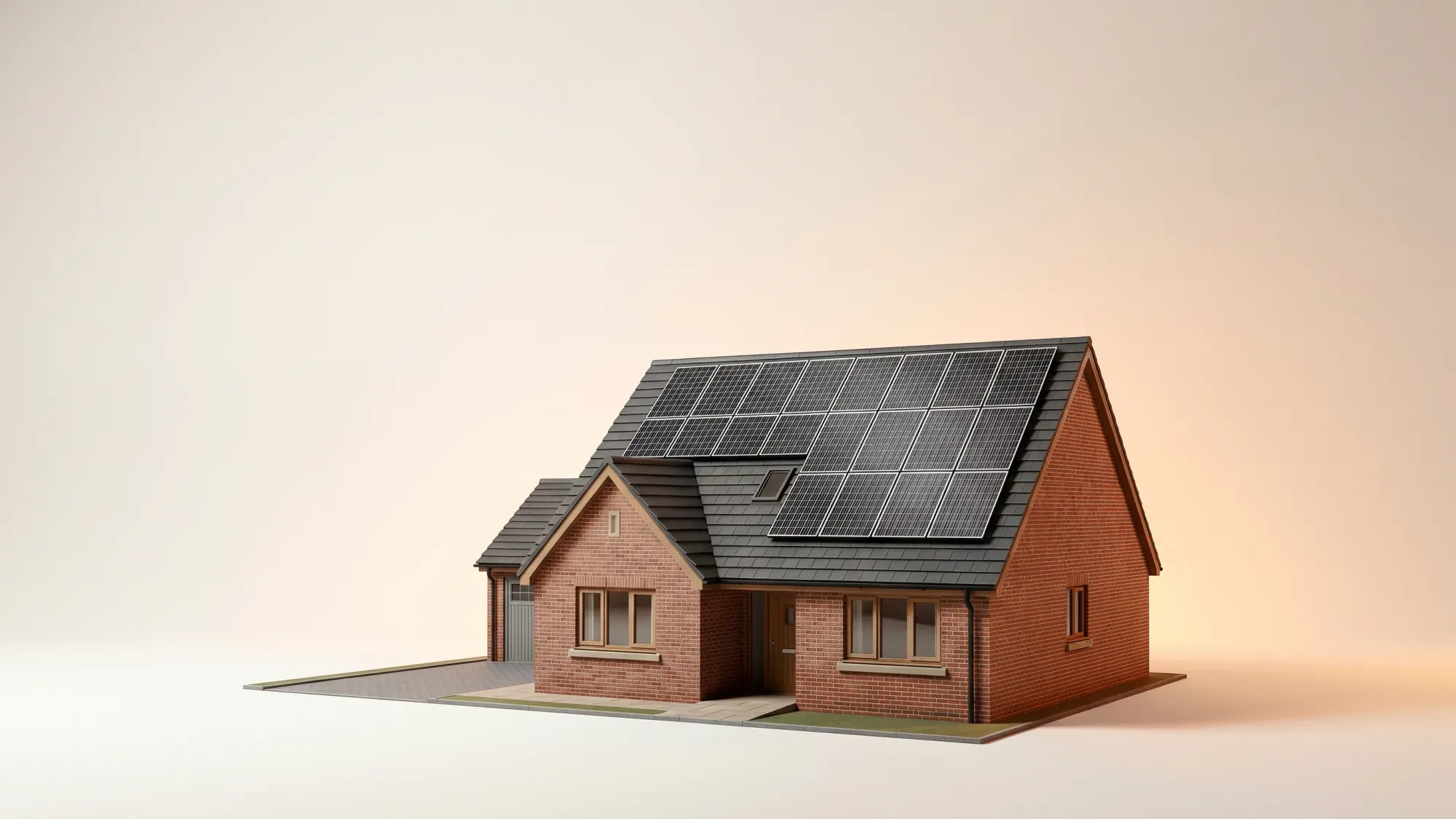
Monocrystalline solar panels are a leading choice for UK homeowners looking to invest in solar energy, offering high efficiency and a sleek appearance. These panels are crafted from a single, high-purity silicon crystal, which gives them their uniform dark colour and distinct performance advantages. Understanding their technology, benefits, and how they perform in the British climate is key to making an informed decision for your property.
What are monocrystalline solar panels?
Monocrystalline solar panels represent a mature and highly efficient segment of photovoltaic (PV) technology. Their core distinction lies in the silicon structure used for their solar cells.
The science behind single-crystal silicon
Each cell in a monocrystalline panel is made from a single, continuous crystal of silicon. This process begins with a large, cylindrical ingot of silicon, grown from a single crystal seed. This ingot is then precisely sliced into thin wafers, which become the individual solar cells. The uniform atomic structure of these single crystals allows electrons to flow more freely, leading to higher efficiency in converting sunlight into electricity.
Distinctive appearance and construction
Monocrystalline panels are easily recognised by their uniform dark black or blue appearance, often with rounded edges on the individual cells. This aesthetic is a direct result of the single-crystal structure, which absorbs light very effectively. The cells are typically encased in a protective layer of glass and a durable frame, designed to withstand various weather conditions and provide a long operational lifespan.
Key benefits for UK homeowners
For homeowners in the UK, monocrystalline solar panels offer several compelling advantages that contribute to their long-term value and performance.
Higher efficiency and space saving
One of the most significant benefits of monocrystalline panels is their superior efficiency. Modern monocrystalline panels commonly achieve efficiency ratings between 20% and 25%, with some premium models exceeding 25%. This higher efficiency means that a monocrystalline panel can generate more electricity from the same amount of sunlight compared to other panel types. For UK homes, where roof space can be limited, this translates directly into needing fewer panels to achieve a desired power output, making them an excellent choice for optimising available area.
Enhanced performance in varied light conditions
The UK climate is known for its frequent cloudy days and lower light levels compared to sunnier regions. Monocrystalline panels are generally better at capturing diffuse sunlight, meaning they can perform more effectively in these less-than-ideal conditions. This enhanced low-light performance ensures a more consistent energy generation throughout the year, maximising the return on your investment even when the sun is not shining brightly.
Aesthetics and durability
The uniform dark appearance of monocrystalline panels is often preferred by homeowners for its sleek, modern look, which integrates well with most rooflines. Beyond aesthetics, these panels are built for longevity. The average lifespan of a monocrystalline solar panel is typically 25 to 30 years, and they often come with performance warranties guaranteeing a certain output level for this period. This durability ensures a reliable energy supply and long-term value for your home.
Monocrystalline vs polycrystalline: a comparison
When considering solar panels, homeowners often weigh the differences between monocrystalline and polycrystalline technologies. While both convert sunlight into electricity, their manufacturing processes and performance characteristics vary.
Efficiency and performance differences
Polycrystalline panels are made from multiple silicon fragments melted together, resulting in a mosaic-like, often bluer appearance. This multi-crystal structure makes them generally less efficient than monocrystalline panels, typically ranging from 15% to 18% efficiency. While polycrystalline panels can still be effective, their lower efficiency means more panels are needed to achieve the same power output, requiring more roof space. Monocrystalline panels generally offer better performance in lower light conditions and higher temperatures, and have become the dominant technology in new installations.
Cost implications and return on investment
Monocrystalline panels generally have a higher upfront cost per watt compared to polycrystalline panels. However, their higher efficiency means you might need fewer panels to meet your energy needs, potentially offsetting the higher individual panel cost, especially where roof space is at a premium. The long lifespan and superior performance of monocrystalline panels can also lead to a greater overall return on investment over their 25-30 year operational life.
Aesthetic considerations
The uniform dark colour of monocrystalline panels often makes them a more aesthetically pleasing option for many homeowners, blending seamlessly with modern architecture. Polycrystalline panels, with their speckled blue hue, have a different visual impact that some may find less appealing. Ultimately, the choice between the two can come down to a balance of budget, efficiency requirements, and personal aesthetic preference.
Monocrystalline panels and the UK climate
The UK's unique weather patterns, characterised by frequent cloud cover and moderate temperatures, play a significant role in solar panel performance. Monocrystalline panels are well-suited to these conditions.
Optimising generation on cloudy days
Monocrystalline panels excel in capturing diffuse light, which is prevalent on cloudy or overcast days. This characteristic is particularly beneficial in the UK, where direct, intense sunlight is less common than in other parts of the world. Their ability to generate electricity efficiently even under these conditions helps to maximise your home's solar output throughout the year, ensuring a more consistent energy supply.
Temperature effects on panel performance
While all solar panels experience a slight decrease in efficiency at higher temperatures, monocrystalline panels generally handle heat better than polycrystalline alternatives. This means that during warmer British summers, monocrystalline panels maintain a higher percentage of their peak efficiency, contributing to more stable energy generation.
Long-term reliability in British weather
The robust construction and high-quality silicon of monocrystalline panels ensure their long-term reliability in the face of diverse British weather, from strong winds and rain to occasional snow. Their durability, often backed by extensive warranties, provides peace of mind that your investment will continue to perform effectively for decades.
Maximising your solar investment
Installing monocrystalline solar panels is a significant step towards energy independence, but maximising their value requires understanding how to integrate them into your home's energy ecosystem.
Understanding the Smart Export Guarantee (SEG)
The Smart Export Guarantee (SEG) is a UK government-backed scheme that allows homeowners to receive payments for any surplus electricity their solar panels export back to the National Grid. This turns your excess generation into a source of income, further enhancing the financial benefits of your solar investment. To qualify for SEG payments, your solar installation must be carried out by an MCS-certified installer, and you need a smart meter capable of recording your export.
Integrating with smart energy tariffs and apps
To truly unlock the potential of your monocrystalline panels, integrating them with smart energy tariffs and app-based tools is essential. These systems allow you to monitor your energy generation and consumption in real-time. By understanding when you are generating the most power and when your home is using it, you can optimise your energy usage, perhaps by running appliances during peak generation hours. Smart tariffs can also offer different rates for electricity at various times of the day, allowing you to export energy when prices are high and import when they are low, further boosting your savings and earnings. Fuse Energy empowers homeowners with monocrystalline solar panels to make 'having more' the point by optimising their energy usage and export through smart tariffs and app-based tools. Choosing Fuse provides the capability to maximise your energy generation and earnings, turning your solar investment into a true advantage. Fuse's app and smart tariffs are designed to integrate seamlessly with existing solar installations, allowing you to monitor generation, optimise consumption, and benefit from export tariffs.
What is the SEG?
The SEG is a UK government initiative that requires licensed electricity suppliers to pay small-scale low-carbon generators, like homeowners with solar panels, for the electricity they export back to the grid. This scheme helps homeowners earn revenue from their surplus renewable energy.
Long-term value and maintenance
The long-term value of your solar investment extends beyond initial savings and SEG payments. With a lifespan of 25-30 years, monocrystalline panels offer decades of reduced electricity bills. Minimal maintenance, typically involving occasional cleaning and system checks, helps ensure optimal performance. This low-maintenance, high-yield profile makes monocrystalline panels a sound long-term asset for any UK home.
Making the right choice for your home
Deciding on the right solar solution involves careful consideration of your specific circumstances and ensuring a professional installation.
Assessing your energy needs and roof space
Before committing to solar, evaluate your household's annual electricity consumption to determine the appropriate system size. Consider your roof's orientation, pitch, and any shading from trees or neighbouring buildings. Monocrystalline panels' high efficiency makes them ideal for smaller or partially shaded roofs, allowing you to maximise generation even with limited space.
The importance of MCS-certified installers
For any solar panel installation in the UK, it is crucial to use an MCS (Microgeneration Certification Scheme) certified installer. MCS certification ensures that your installation meets rigorous quality standards and that your system is eligible for government-backed schemes like the SEG. An MCS-certified installer will provide a tailored quote and system design, ensuring your panels are installed safely and effectively. Planning permission may be required for solar panel installations in certain areas or for larger systems, though many domestic installations are considered permitted development.
Beyond installation: managing your solar energy
Once your monocrystalline panels are installed, the journey continues with smart energy management. This involves actively monitoring your generation and consumption, making informed decisions about when to use or export electricity, and leveraging smart tariffs. While Fuse Energy does not install solar panels, its focus is on providing smart energy supply and management tools once panels are in place, helping you to truly get the most out of your solar investment.
Managing your home's energy with solar panels should be simple and rewarding. Fuse Energy offers clear pricing, real-time usage data through our app, and 24/7 human customer support to help you make the most of your solar investment. Our smart tariffs are designed to integrate seamlessly with your solar setup, helping you optimise your energy use and maximise your earnings from exported electricity. Switch to Fuse Energy today and take control of your solar-powered home. Find out more about our mission to make energy abundant here.
Disclaimer
For the avoidance of doubt, this article is provided for informational purposes only and is not intended to constitute legal or financial advice. The author and/or Fuse Energy shall not be responsible for any losses arising out of any reliance on the information contained herein.