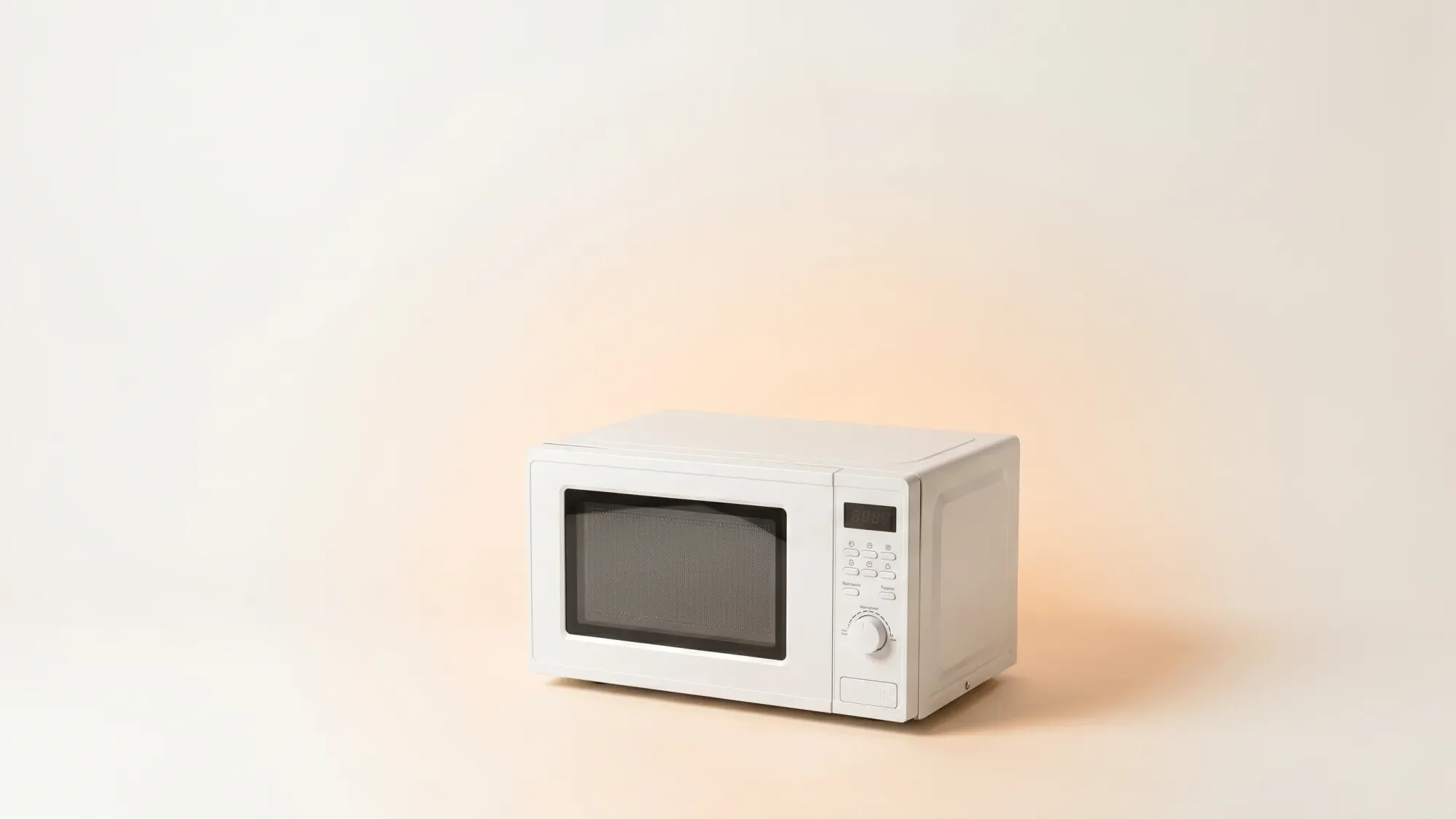
The cost of running your microwave has likely increased, primarily due to rising electricity unit rates. Understanding how these costs are calculated and what drives them is the first step to managing your household energy bills more effectively.
Understanding your energy usage, including how much your microwave costs to run, helps you manage your household bills. Fuse Energy provides clear pricing and real-time usage data through its app, helping you understand and control your electricity costs. Click here to switch to Fuse Energy today.
Your microwave's running cost is directly tied to the unit rate you pay for electricity. When this rate changes, so does the expense of everyday usage.
The role of the energy price cap
Ofgem, the UK's energy regulator, sets the energy price cap, which determines the maximum unit rate suppliers can charge for electricity. Fluctuations in this cap directly impact household budgets. For Direct Debit customers on the default tariff, the electricity unit rate was 26.11p per kilowatt-hour (kWh) from 1 July to 30 September 2026. This rate, combined with your usage, determines your appliance running costs. You can learn more about how this cap works in our article on the energy price cap explained.
Understanding microwave wattage and efficiency
A microwave's wattage indicates its power output and, consequently, how much electricity it consumes. Microwaves typically range from 600W to 1200W in power output. A higher wattage means more power and often faster cooking, but it also means higher electricity consumption per minute of use.
To understand your microwave's specific cost, you need to know its power and your current electricity rate.
Finding your electricity unit rate
Your electricity unit rate is usually listed on your energy bill. This is the price you pay per kWh of electricity consumed. As of 1 July to 30 September 2026, the Ofgem Price Cap set this at 26.11p per kWh for Direct Debit customers on the default tariff. For more details on understanding your bill, read our guide on understanding your energy bill.
Estimating consumption based on wattage and usage
To calculate the running cost:
- Find your microwave's wattage: This is usually on a label inside the door or on the back of the appliance. If it's in watts (W), divide by 1,000 to convert it to kilowatts (kW). For example, a 900W microwave is 0.9 kW.
- Estimate usage time: How many hours per day or week do you use it?
- Calculate kWh used: Multiply the microwave's kW by the hours it's used.
- Calculate cost: Multiply the kWh used by your electricity unit rate.
The hidden cost of standby power
Even when not actively cooking, many appliances, including some microwaves, consume a small amount of electricity in standby mode. This is often referred to as 'phantom load' and can add to overall appliance costs over time. While individual standby consumption is low, it accumulates across multiple devices throughout your home.
Small changes in how you use your microwave can lead to noticeable savings.
Optimising cooking times and settings
Microwaves are most efficient for reheating and cooking small portions. Use the lowest effective power setting and shortest cooking time necessary. For tasks like defrosting, lower power over a longer duration can be more energy-efficient than high power for a short burst.
Using the right container for efficiency
Glass or ceramic dishes absorb less microwave energy than plastic, allowing more energy to be directed towards heating the food. Ensure containers are microwave-safe and appropriately sized for the food to avoid unnecessary energy use.
When to choose a microwave over an oven
For smaller items or reheating, a microwave is almost always more energy-efficient than a conventional oven. Ovens heat a much larger space and take longer to preheat, consuming significantly more energy. Consider using your microwave for tasks like baking potatoes or steaming vegetables to save energy.
Understanding microwave costs is part of a larger picture of household energy consumption.
Monitoring other appliance costs
Many other household appliances contribute to your electricity bill. Washing machines, dishwashers, and even broadband routers consume electricity, and their costs can also increase with rising unit rates. Knowing how much electricity each appliance uses helps you identify areas for potential savings. The average UK home uses around 2,500 kWh of electricity per year. For a deeper dive into energy measurement, see our article on what is a kWh.
The benefits of real-time energy monitoring
Real-time energy monitoring tools, like the Fuse app, provide detailed insights into your electricity consumption. They allow you to see exactly how much energy individual appliances, including your microwave, are using. This transparency makes abstract costs concrete, empowering you to make informed decisions and manage your energy usage more effectively. Fuse offers 24/7 human customer support to help you understand your energy usage and bills.
Managing your energy bills should be clear and easy to understand. Fuse Energy focuses on straightforward pricing, so you can see exactly what you're paying without unnecessary complexity. If you have a smart meter, you can view detailed usage data through the app or website, helping you understand how you can lower your bills. Our 24/7 human support team is always on hand with fast response times whenever you need help. Click here to switch to Fuse Energy today. Find out about our mission by clicking here.