Is natural gas a renewable energy source? Why it's not
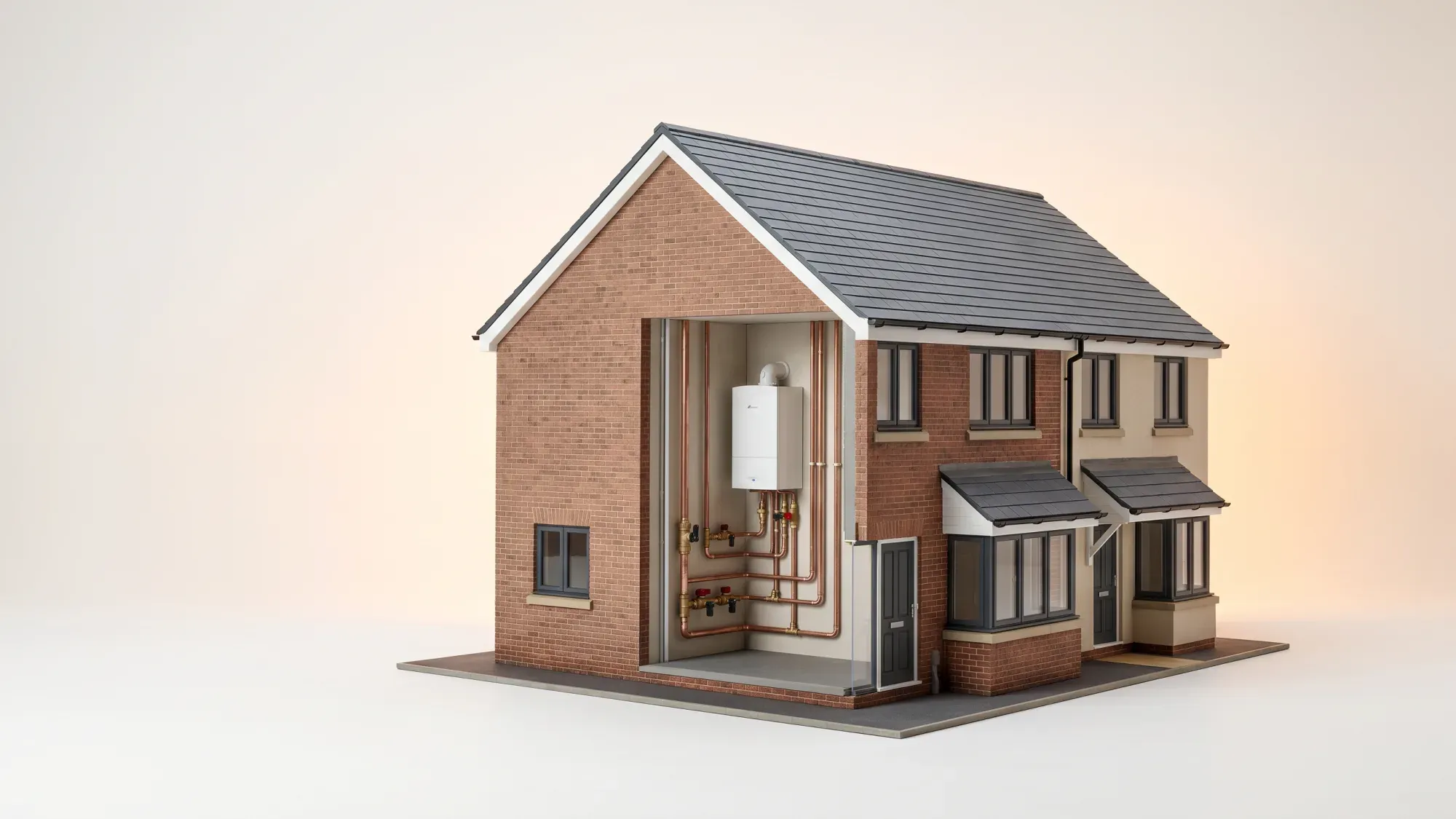
No, conventional natural gas is not a renewable energy source; it is a fossil fuel. While it plays a significant role in the UK's energy mix, its formation process is vastly different from truly renewable sources like solar or wind. The key to understanding this distinction lies in how energy sources are formed and replenished, a critical difference for building a future with abundant, clean energy.
Understanding the distinction between conventional natural gas and renewable alternatives is crucial for navigating the energy transition. Fuse Energy aims to empower customers with knowledge, offering transparent, data-driven explanations about energy sources. Click here to switch to Fuse Energy today.
Enter your address to get a quote and see how much you could save
Understanding renewable energy
To clarify whether natural gas is renewable, we first need to define what "renewable" means in the context of energy.
Defining renewable and non-renewable sources
Renewable energy sources are those that replenish naturally on a human timescale. These include solar, wind, hydro, geothermal, and biomass, which are continuously available or can be naturally regenerated. Non-renewable energy sources, conversely, are finite. They exist in limited quantities and take millions of years to form, meaning they cannot be replenished within a human lifespan once consumed.
The timescale of energy formation
The fundamental difference between renewable and non-renewable energy lies in their formation timescale. Renewable sources harness ongoing natural processes, like sunlight or wind, which are effectively inexhaustible. Non-renewable sources, such as fossil fuels, are the result of geological processes spanning millions of years, trapping ancient organic matter and transforming it into energy-rich compounds. This vast difference in replenishment rates is why fossil fuels are considered finite resources.
Conventional natural gas: a non-renewable fossil fuel
Conventional natural gas falls squarely into the non-renewable category. Its origins are deeply rooted in geological history, making it a finite resource.
How conventional natural gas forms
Conventional natural gas is a fossil fuel formed over millions of years from the decomposition of organic matter, such as plants and animals, buried deep beneath the Earth's surface. Intense heat and pressure transform this organic material into hydrocarbons, including methane, which is the primary component of natural gas. Extracting this gas requires drilling deep into the Earth, and once it is used, it cannot be replaced for millions of years.
Its role in the UK energy landscape
Natural gas currently plays a substantial role in the UK's energy system. It is widely used for heating homes and generating electricity. Of domestic Energy Performance Certificates lodged in England and Wales, 79.9% record mains gas as the main heating fuel. For electricity generation, gas provided 32.3% of the total in the first quarter of 2026. This reliance makes natural gas a transitional fuel, bridging the gap as the UK moves towards a more decarbonised energy system.
Renewable natural gas (biomethane): a different story
While conventional natural gas is non-renewable, there is a distinct, renewable alternative known as biomethane, or Renewable Natural Gas (RNG).
What is biomethane?
Biomethane is a purified form of biogas, chemically identical to conventional natural gas, but with a crucial difference: its origin. It is produced from the anaerobic digestion of organic waste materials, such as agricultural waste, sewage, and food waste. This process captures methane that would otherwise be released into the atmosphere from decomposing organic matter, making it a valuable renewable energy source.
What is anaerobic digestion?
Anaerobic digestion is a natural process where microorganisms break down organic materials in the absence of oxygen. This biological process produces biogas, a mixture primarily of methane and carbon dioxide, which can then be upgraded to biomethane for use in the gas grid or as vehicle fuel.
How biomethane is produced
Biomethane production begins with anaerobic digestion. Organic waste is placed into sealed tanks called digesters, where microorganisms break it down without oxygen. This produces biogas. The biogas is then "upgraded" by removing impurities like carbon dioxide, resulting in biomethane that is pipeline-quality and can be injected directly into the existing gas grid. This means it can be used in the same way as conventional natural gas for heating and electricity generation.
Biomethane's potential in the UK
The UK's biomethane sector is growing, with over 750 operational anaerobic digestion plants. These plants currently produce around 7 TWh of biomethane annually, with the potential to increase to 9 TWh in the short term. While this is a meaningful contribution, it represents a fraction of the long-term potential, which could exceed 100-120 TWh per year. Scaling up biomethane production could significantly enhance the UK's energy security and reduce reliance on imported fossil gas.
The path to an abundant energy future
Understanding the distinction between conventional natural gas and biomethane is crucial for navigating the energy transition.
Transitioning from fossil fuels
The journey towards a sustainable energy future involves a significant shift away from finite fossil fuels. While natural gas currently serves as a bridge fuel, especially for electricity generation and heating, the long-term goal is to transition to genuinely renewable and abundant energy sources. This includes expanding solar, wind, and other renewable technologies, alongside developing solutions like biomethane to decarbonise sectors that rely on gas infrastructure. For homeowners considering alternatives, understanding the air source heat pump efficiency and air source heat pump running cost can be valuable. This transition is not about scarcity, but about building a future where energy is plentiful and clean.
Fuse Energy's vision for clean energy
At Fuse Energy, we believe in building a future with power to play with - a world where energy is so abundant it stops being a constant concern. By providing clear, data-driven explanations about energy sources, we aim to empower our customers with knowledge. While we supply natural gas to homes in Great Britain, we are committed to transparently addressing its non-renewable status and highlighting the path towards truly renewable alternatives like biomethane. Our rigorous approach to the energy transition focuses on moving beyond finite resources towards an abundant, clean energy landscape for the UK.
Managing your energy bills should be clear and easy to understand. Fuse Energy focuses on straightforward pricing, so you can see exactly what you are paying without unnecessary complexity. If you have a smart meter, you can view detailed usage data through the app or website, helping you understand how you can lower your bills. Our 24/7 human support team is always on hand with fast response times whenever you need help. Click here to switch to Fuse Energy today. Find out about our mission by clicking here.
Disclaimer
For the avoidance of doubt, this article is provided for informational purposes only and is not intended to constitute legal or financial advice. The author and/or Fuse Energy shall not be responsible for any losses arising out of any reliance on the information contained herein.