Is my roof suitable for solar panels?
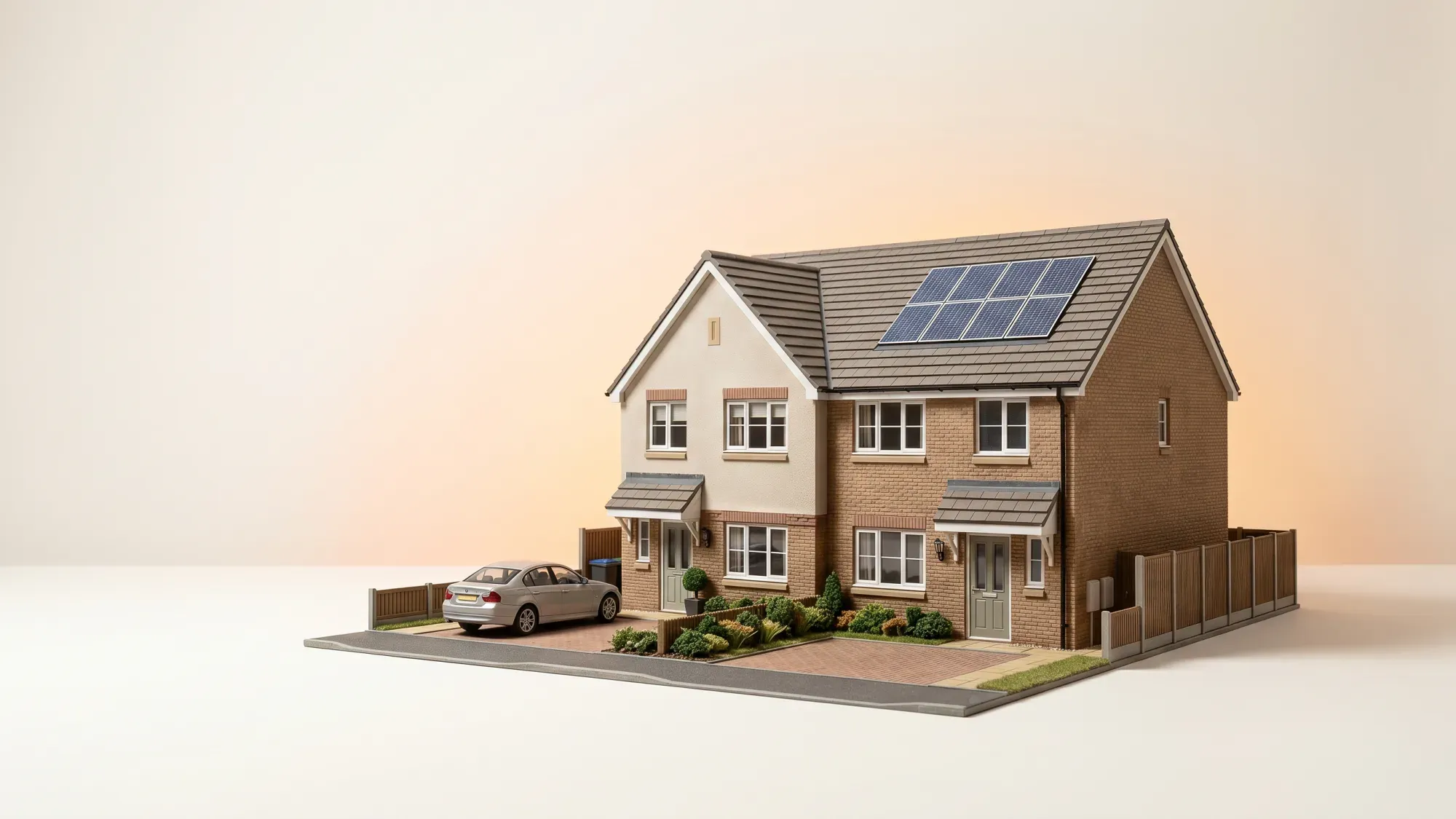
Determining if your roof is suitable for solar panels is the first step towards generating your own clean energy and taking control of your household's power. While most UK roofs can accommodate solar panels, several factors influence their efficiency and the feasibility of installation. Understanding these elements upfront helps you make informed decisions before committing to professional surveys.
Key factors for solar panel suitability
Roof orientation and pitch
The direction your roof faces and its angle significantly impact how much sunlight your solar panels will capture. In the UK, south-facing roofs are generally considered ideal for maximum annual energy generation, as they receive the most direct sunlight throughout the day. However, east and west-facing roofs are also viable options, particularly if you want to generate power during morning or evening peaks. North-facing roofs are typically less recommended due to limited sun exposure.
The optimal pitch, or angle, for solar panels in the UK is usually between 30° and 40°. Many UK homes naturally fall within this range, making them well-suited for solar photovoltaic (PV) systems. Even roofs with shallower pitches (down to around 10°) or steeper ones (up to 60°) can still be effective, though output might be slightly lower.
Shading assessment
Shading is a major factor that can significantly reduce solar panel output. Obstructions like trees, chimneys, or neighbouring buildings can cast shadows on your roof, even for part of the day. Even partial shading on a single solar cell can disproportionately affect the performance of an entire panel or string of panels, leading to substantial energy loss. Modern solar technologies, such as optimisers or microinverters, can help mitigate these losses by allowing individual panels to perform independently, but avoiding shade where possible remains crucial for optimal efficiency.
How much does shading affect solar panel output?
Shading can drastically reduce the performance of solar panels, cutting their energy output by up to 75% even if only a small portion of the panel is shaded. A shadow on just 10% of a panel can drop that panel's output by 50% to 80% because of how cells are wired in series. Modern technologies like bypass diodes, optimisers, and microinverters can help minimise these losses by allowing current to flow around shaded sections or enabling individual panel optimisation.
Roof material and condition
Most common UK roofing materials, such as concrete tiles, clay tiles, slate, asphalt, and metal, are suitable for solar panel installation. The type of material primarily dictates the mounting system used, which can affect installation cost and complexity. For instance, slate roofs require specific hooks to avoid damage, while metal roofs often allow for simpler, drill-free attachments. However, certain materials like thatch are generally unsuitable due to fire risk, and asbestos roofs require specialist removal before any work can begin.
The overall condition and age of your roof are also critical. Solar panels are a long-term investment, with an average lifespan of 25 to 30 years or more. Installing them on an old or damaged roof could lead to costly repairs or even structural issues down the line. A professional assessment will check for signs of wear, damage, or previous repairs.
Structural integrity and age
Solar panels add weight to your roof, typically around 20kg per square metre, including mounting equipment. While most UK roofs are designed to support this additional load, a professional structural assessment is vital to ensure your roof can safely bear the weight, especially for older properties or flat roofs. Flat roofs, for example, often require ballasted mounting systems which can significantly increase the load (around 80kg per panel), making a structural check even more crucial. Overlooking structural integrity could lead to long-term damage, leaks, or even structural failure.
Available roof space
The amount of unshaded roof space available determines how many solar panels can be installed and, consequently, how much electricity you can generate. A typical domestic solar panel system in the UK requires approximately 20-26 square metres of unshaded roof space for a 3-4kWp system, which usually consists of 8-16 panels. Obstructions like chimneys, skylights, and dormer windows will reduce the usable area. Installers need sufficient clearance around these obstacles for safe installation and optimal panel performance.
Understanding UK planning permission and regulations
Permitted development rights
In England and Wales, installing solar panels on your home is generally considered 'permitted development', meaning you usually do not need to apply for full planning permission. However, certain conditions must be met. For instance, panels should not be installed above the highest part of the roof (excluding the chimney) and should not protrude more than 200mm from the roof surface on pitched roofs. Panels must also be installed to minimise their aesthetic impact. It is always best to check with your local planning authority to confirm specific requirements.
Listed buildings and conservation areas
If your property is a listed building or located within a conservation area or World Heritage Site, stricter rules apply. For listed buildings, you will almost certainly need listed building consent in addition to any planning permission, as the installation must not affect the building's architectural style or original fabric. In conservation areas, while solar panels are permitted, they are subject to stricter guidelines to preserve the area's character. For example, panels often cannot be installed on a wall facing a highway in a conservation area. Consulting your local planning authority is essential in these cases.
The importance of MCS certification
MCS (Microgeneration Certification Scheme) certification is a UK quality assurance standard for renewable energy installers and products. Choosing an MCS-certified installer is crucial for several reasons. It ensures that your installation meets high quality and safety standards, and it is a mandatory requirement for eligibility for government incentives, such as the Smart Export Guarantee (SEG) which pays you for any surplus electricity your solar panels export back to the grid. You can learn more about how to get paid for your solar energy through the SEG.
How to assess your roof: a step-by-step guide
Initial visual inspection
Before contacting professionals, you can conduct a preliminary visual assessment of your roof.
- Orientation and pitch: Stand outside your home and observe which direction your roof faces. Use a compass app on your phone if unsure. Estimate the angle of your roof's slope.
- Shading: Note any trees, chimneys, or nearby buildings that might cast shadows on your roof throughout the day and across different seasons. Consider potential future shading from growing trees.
- Condition: Look for obvious signs of wear, damage, or disrepair such as cracked or missing tiles, sagging sections, or moss growth.
- Age: If you know your roof's age, consider its remaining lifespan. If it is nearing the end of its life, it might be more cost-effective to replace or repair it before installing solar panels.
- Available space: Identify clear, unshaded areas. Roughly estimate the square metres available, keeping in mind obstructions like vents or skylights.
Consulting a professional
While a visual inspection provides a good starting point, a professional site survey by an MCS-certified installer is indispensable. They will conduct a detailed assessment of your roof's structural integrity, material suitability, shading patterns, and available space. This survey ensures the installation is safe, compliant, and optimised for maximum energy generation.
Maximising your solar investment with Fuse Energy
Once your solar panels are installed by an MCS-certified professional, Fuse Energy helps you get the most out of your clean energy generation.
Smart Export Guarantee (SEG) and tariffs
The SEG allows you to earn money for the excess electricity your solar panels generate and export to the National Grid. Fuse Energy provides export tariffs, turning your generated energy into a valuable asset. This means you are not just saving on your electricity bills, but actively earning from your contribution to a greener grid.
Managing your energy with the Fuse app
The Fuse app puts the power of energy management directly into your hands. It integrates with your smart meter to provide real-time, half-hourly usage data, giving you clear insights into your consumption patterns. This transparency empowers you to make informed decisions about your energy use, optimise your self-consumption, and maximise your earnings from exported energy. Fuse helps you manage your energy without constant monitoring, making it simple and transparent.
Next steps for your solar journey
Finding an MCS-certified installer
After assessing your roof's suitability, the next crucial step is to find a reputable, MCS-certified installer. MCS certification ensures quality assurance for both products and installation, and it is a prerequisite for accessing SEG payments. Look for installers with a strong track record and positive customer reviews.
Preparing for installation
Once you have chosen an installer, they will guide you through the process. This typically involves a detailed site survey, system design, and handling any necessary paperwork, including grid connection applications to your Distribution Network Operator (DNO). Understanding what a DNO is can help you navigate this process. They will also confirm any planning permission requirements specific to your property.
By taking these steps, you will be well on your way to harnessing solar power, reducing your reliance on the grid, and playing a part in a future with more energy to play with.
Disclaimer
For the avoidance of doubt, this article is provided for informational purposes only and is not intended to constitute legal or financial advice. The author and/or Fuse Energy shall not be responsible for any losses arising out of any reliance on the information contained herein.