Is electricity cheaper at night?
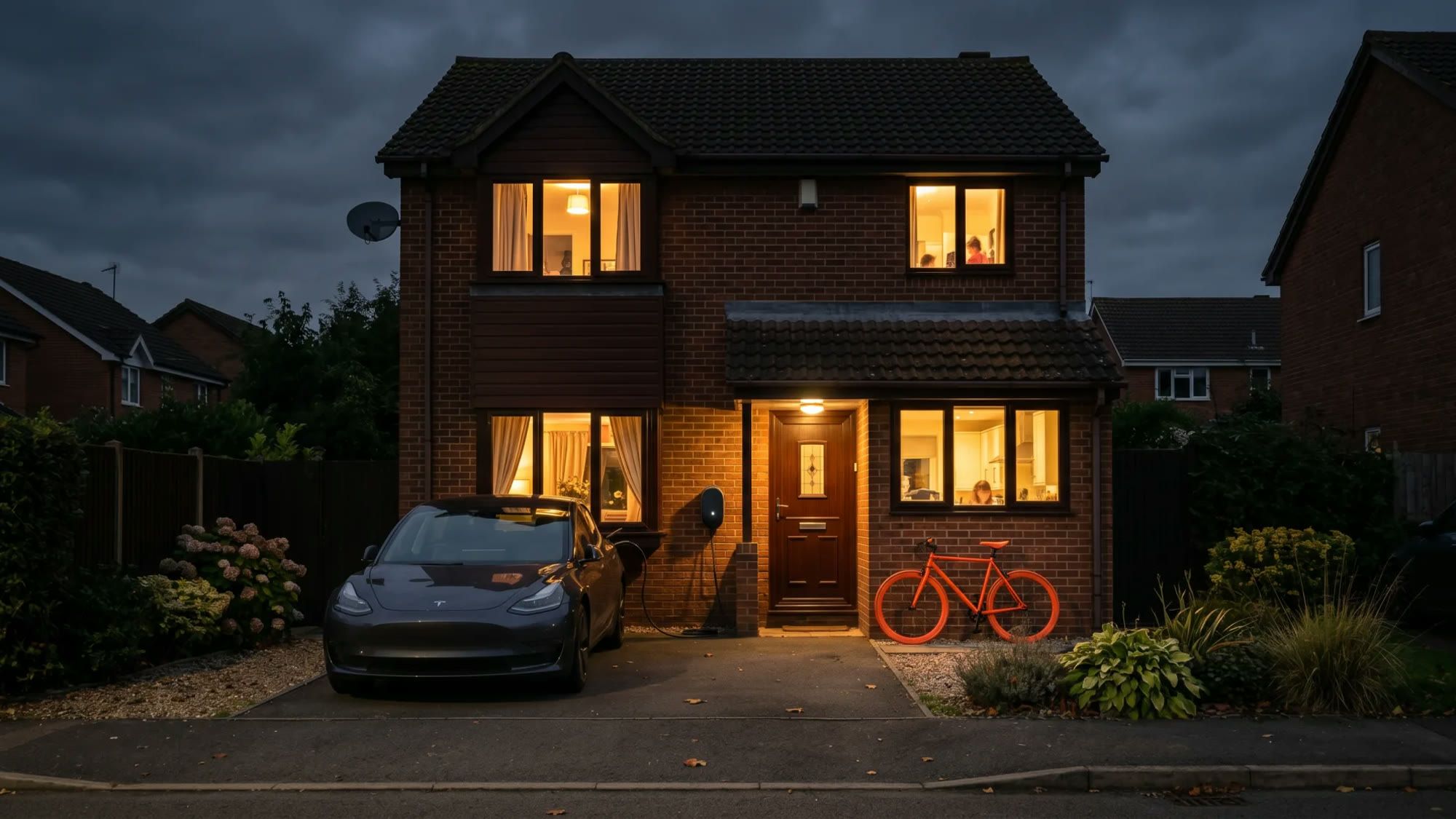
Yes, electricity can be significantly cheaper at night in the UK for many households, particularly those on specific tariffs designed to encourage off-peak energy use. These time-of-use (ToU) tariffs offer different rates depending on the time of day, allowing you to save money by shifting your energy-intensive activities to designated off-peak hours.
Making the most of cheaper night-time electricity can help you manage your energy bills more effectively. Fuse Energy offers dual-rate variable tariffs and free smart meter upgrades for manual meter users, helping you gain real-time insights to optimise your energy usage. Click here to switch to Fuse Energy today.
Enter your address to get a quote and see how much you could save
Understanding off-peak electricity
What are time-of-use tariffs?
Time-of-use tariffs charge varying rates for electricity based on when it is consumed, rather than a single flat rate throughout the day. This means electricity is typically more expensive during "peak" hours when demand is highest, and cheaper during "off-peak" hours when fewer people are using power. These tariffs encourage you to use electricity during quieter periods, reducing pressure on the National Grid and potentially lowering your bills.
Why is electricity cheaper at night?
Electricity is often cheaper at night in the UK primarily due to lower overall demand on the National Grid. During daytime and early evening hours, millions of homes are actively using power, leading to high demand and increased generation costs. Overnight, demand drops considerably. This lower demand allows energy suppliers to offer reduced rates. Additionally, there is often a higher availability of renewable energy sources like wind power during the night, which can contribute to lower wholesale electricity prices. Utilising this cheaper, often greener, electricity helps balance the grid and supports a more efficient energy system.
Types of off-peak tariffs in the UK
Economy 7 explained
Economy 7 is a long-standing type of time-of-use tariff that provides cheaper electricity rates for a seven-hour period overnight. The exact timing of these seven hours can vary by supplier and location, but it typically falls between 10pm and 8am. While electricity is cheaper during the off-peak window, the daytime rates on an Economy 7 tariff are usually higher than those on a standard single-rate tariff. This makes it most suitable for households that can shift at least 30-40% of their electricity usage to the night-time hours to make it cost-effective. Economy 7 tariffs require a specific two-rate meter or a smart meter to record peak and off-peak consumption separately. You can learn more about this in our guide to Economy 7 meters.
Modern smart tariffs
Beyond Economy 7, modern smart tariffs offer more flexible and dynamic pricing structures, often enabled by smart meters. These tariffs can have multiple pricing periods throughout the day, not just two, and some even offer dynamic rates that change based on real-time wholesale electricity prices. This allows for even greater potential savings if you can adapt your energy use to these fluctuating rates. For instance, some dynamic tariffs may even offer negative pricing, where you are paid to use electricity during periods of very high supply and low demand, though these periods are rare.
How to access cheaper night-time electricity
The role of smart meters
To access most modern time-of-use tariffs, a smart meter is essential. These devices replace traditional meters, providing real-time information on your energy consumption and automatically sending readings to your supplier. Modern smart meters (SMETS2) are particularly crucial as they enable half-hourly readings, which are vital for dynamic time-of-use tariffs. The UK government aims for all domestic properties to be offered a smart meter by the end of 2030. Having a smart meter not only facilitates access to these tariffs but also empowers you to monitor your usage more effectively, helping you make informed decisions about when to use electricity. Energy suppliers arrange and install smart meters, typically at no extra cost to you. Fuse's digital-first approach and app empower customers to easily track usage and manage consumption to benefit from cheaper night-time electricity. For more information, see our article on smart meter installation.
Finding the right tariff for you
The first step is to check if your current energy tariff includes off-peak rates or if a time-of-use option is available from your supplier. If not, you should compare available time-of-use tariffs from different energy suppliers to find one that aligns with your lifestyle and energy consumption patterns. It is important to consider not just the off-peak rate, but also the peak rate and any standing charges, as these can impact your overall bill. Remember, off-peak tariffs are not suitable for everyone; you must be able to shift a significant portion of your energy usage to off-peak hours to make them cost-effective. Our guide on what a time-of-use tariff is can provide further details.
Maximising your savings with off-peak rates
Shifting your energy usage
The key to maximising savings with off-peak rates is actively shifting your energy-intensive activities to the designated cheaper periods. This requires a conscious effort to change habits, but the financial rewards can be substantial. For example, instead of running appliances during the day, schedule them to operate overnight. This strategic shift in consumption can help you make the most of abundant, cheaper night-time energy, allowing you to use more energy-intensive appliances without anxiety.
Appliances best suited for off-peak use
Certain appliances are particularly well-suited for off-peak use due to their high energy consumption or their ability to be programmed:
- Electric vehicle (EV) charging: Charging an EV overnight can significantly reduce running costs, as it typically consumes a large amount of electricity. Note that the Smart EV tariff was withdrawn from sale on 1 July 2026; a dual-rate variable tariff is now the alternative.
- Washing machines and dishwashers: Many modern appliances have delay timers, allowing you to set them to run during off-peak hours.
- Tumble dryers: These are energy-intensive appliances that can easily be run overnight.
- Storage heaters: These are designed to charge up during cheaper night-time hours and release heat throughout the day.
- Immersion heaters: Heating your hot water tank during off-peak times can also lead to savings.
Beyond cost: environmental benefits
Supporting a greener grid
Shifting energy usage to off-peak hours not only benefits your wallet but also plays a crucial role in supporting a greener energy grid. When demand is lower overnight, there is often a higher proportion of renewable energy available from sources like wind farms. By using electricity during these times, you are effectively consuming energy when it is cleaner and helping to balance the grid. This reduces the need for less efficient, fossil-fuel-powered generation to meet peak demand, contributing to lower carbon emissions.
The future of flexible energy
The move towards flexible energy consumption, facilitated by time-of-use tariffs and smart meters, is a vital step in rebuilding the energy system. It supports a more efficient and renewable-powered future by encouraging consumers to use energy when it is most abundant and least carbon-intensive. This flexibility helps integrate more renewable energy into the National Grid and reduces strain on infrastructure. By encouraging off-peak usage, Fuse helps balance grid demand, supporting a more efficient and renewable-powered energy system.
What is the average electricity unit rate under the Ofgem Price Cap?
The average unit rate for electricity under the Ofgem Price Cap from 1 July to 30 September 2026 is 26.11p per kWh. This rate applies to standard variable tariffs and is subject to quarterly review by the energy regulator.
Managing your energy bills should be clear and easy to understand. Fuse Energy focuses on straightforward pricing, so you can see exactly what you are paying without unnecessary complexity. If you have a smart meter, you can view detailed usage data through the app or website, helping you understand how you can lower your bills. If you do not have a smart meter, Fuse Energy can upgrade your non-smart meter, completely for free. This can make it easier to track spending and make informed decisions about your energy use. Our 24/7 human support team is always on hand with fast response times whenever you need help. Click here to switch to Fuse Energy today. Find out about our mission by clicking here.
Disclaimer
For the avoidance of doubt, this article is provided for informational purposes only and is not intended to constitute legal or financial advice. The author and/or Fuse Energy shall not be responsible for any losses arising out of any reliance on the information contained herein.