Solar panel installation cost for UK homes
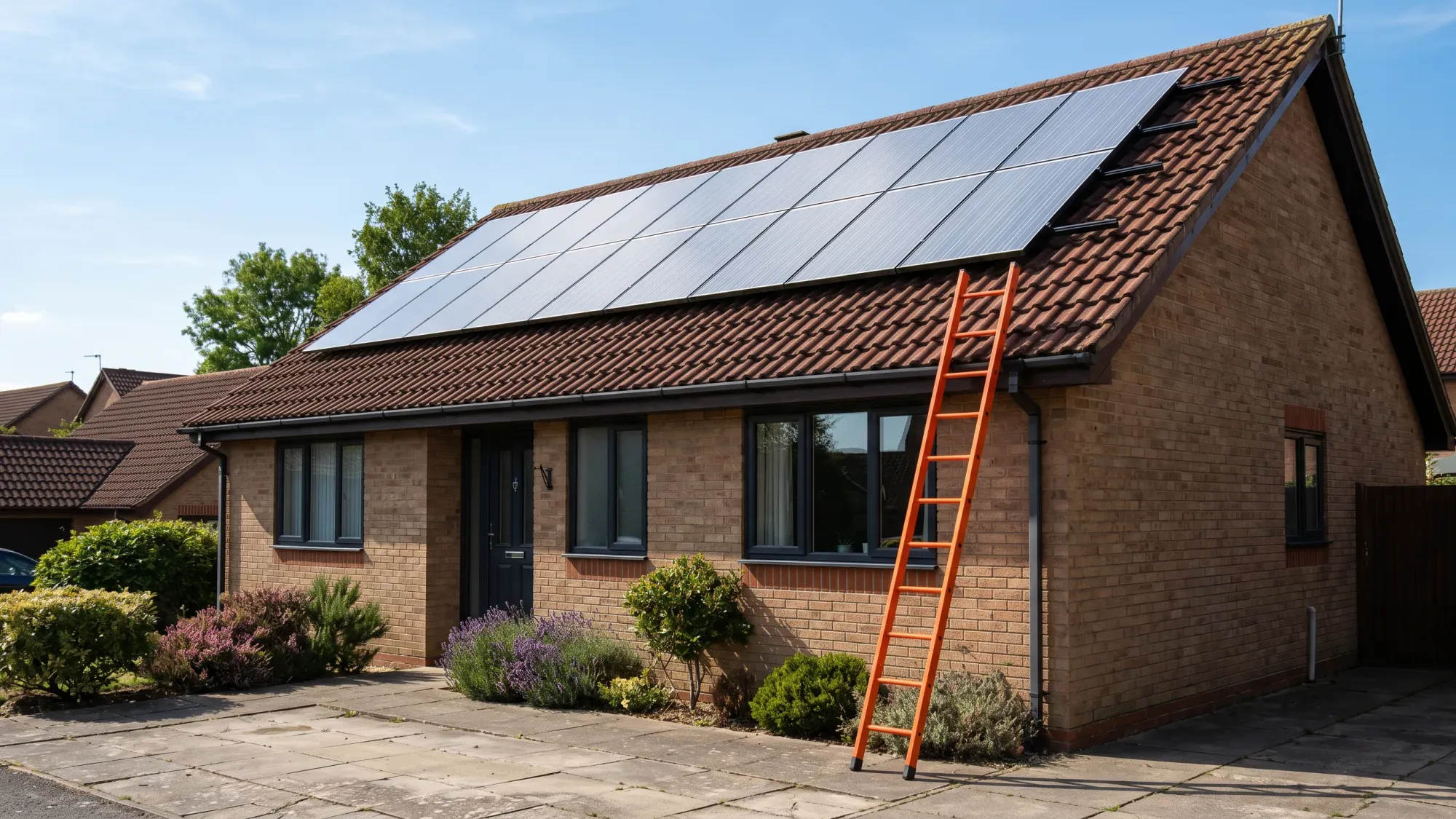
Installing solar panels on your home is a significant financial commitment, yet it offers substantial long-term savings and a reduced carbon footprint. This investment allows you to generate your own electricity, lessening your reliance on the National Grid and potentially earning income by selling surplus power back to energy suppliers through the Smart Export Guarantee (SEG).
Understanding solar panel installation costs
The upfront cost of solar panels can appear substantial, but it is important to view this as a long-term investment. The financial benefits, coupled with environmental advantages, make solar an increasingly attractive option for many UK homeowners.
Average costs for typical homes
The average cost of installing a standard 4kW solar photovoltaic (PV) system in the UK typically ranges between £6,000 and £8,500, including installation. This size is a common choice for an average two-to-three-bedroom home. To provide context, the average UK home uses around 2,500 kilowatt-hours (kWh) of electricity per year1.
What's included in the installation price
A typical solar panel installation price covers several key components and services. This usually includes the solar panels themselves, the inverter (which converts the direct current (DC) electricity from the panels into alternating current (AC) electricity for your home), the mounting system that secures the panels to your roof, and the labour costs for the installation team. It also encompasses the necessary wiring, electrical connections, and often the scaffolding required for safe roof access.
Key factors influencing solar panel costs
Several variables can affect the overall cost of a solar panel system. Understanding these factors helps in budgeting and making informed choices.
System size and power output
The most significant factor influencing cost is the system's size, measured in kilowatts-peak (kWp). Larger systems, designed to generate more electricity, naturally require more panels and a more powerful inverter, leading to higher material and installation costs. A 4kW system is a common baseline for many UK homes, but homes with higher energy consumption or those aiming for greater energy independence might opt for 5kW or 6kW systems, increasing the overall price.
Type of solar panels
The market offers different types of solar panels, primarily monocrystalline and polycrystalline. Monocrystalline panels are generally more efficient and have a sleeker appearance, but they come at a higher price point. Polycrystalline panels are typically more affordable but slightly less efficient, meaning you might need more of them to achieve the same power output. The choice often balances budget, aesthetic preference, and available roof space.
Battery storage integration
Adding a battery storage system significantly increases the initial cost of a solar installation. However, batteries allow you to store excess electricity generated during the day for use in the evening or at night, reducing your reliance on grid electricity and increasing your self-consumption. While the upfront investment is higher, the long-term savings and energy independence can be substantial.
Roof suitability and complexity
The characteristics of your roof play a crucial role in installation costs. Factors such as roof size, pitch, orientation (south-facing is ideal), and material can all impact the complexity and duration of the installation. Difficult-to-access roofs, those requiring structural reinforcement, or those with unusual angles may incur additional labour and equipment costs. Shading from nearby trees or buildings can also affect system efficiency, influencing the optimal panel layout and overall design.
Installer choice and labour
The choice of installer can also affect the final price. Reputable installers, particularly those with Microgeneration Certification Scheme (MCS) certification, may charge more due to their verified quality standards and guarantees. However, choosing a certified installer ensures the system meets high industry standards and is eligible for schemes like the SEG. Labour costs vary based on regional rates and the complexity of the specific installation.
Potential savings and financial benefits
Beyond reducing your carbon footprint, installing solar panels offers tangible financial benefits through reduced electricity bills and government-backed schemes.
Reducing your electricity bills
Generating your own electricity means you buy less from your energy supplier, directly lowering your monthly bills. The amount saved depends on your household's electricity consumption, the size and efficiency of your solar system, and how much of your generated electricity you use directly.
Earning with the Smart Export Guarantee (SEG)
The SEG is a government-backed scheme that mandates licensed electricity suppliers to offer a tariff for electricity exported to the grid by small-scale low-carbon generators, including solar panels. This means you can earn money by selling any surplus electricity your panels generate back to the grid. The rates offered by suppliers vary, so it is worth comparing options to maximise your earnings.
Calculating your payback period
The payback period is the time it takes for the savings from your solar panels to offset the initial installation cost. This period is not guaranteed and varies significantly based on factors such as the system's cost, your electricity consumption patterns, the SEG rates you receive, and future electricity price changes. While it requires an initial investment, solar panels can provide significant returns over their 25-40 year lifespan.
VAT and other incentives
Currently, the Value Added Tax (VAT) on the installation of energy-saving materials, including solar panels and storage batteries, is 0% in the UK for residential properties and charitable bodies until 31 March 2027. From 1 April 2027, the VAT rate is due to rise to 5%. This reduction helps to lower the overall upfront cost of the system, making solar a more accessible option for homeowners.
Choosing the right solar system and installer
Making the right choices during the planning and installation phases is crucial for the long-term performance and financial return of your solar panels.
Assessing your energy needs
Before committing to a system, assess your household's current and future electricity consumption. This will help determine the appropriate system size to meet your needs, balancing self-sufficiency with cost-effectiveness. Consider any planned changes, such as purchasing an electric vehicle or installing a heat pump, which will increase your electricity demand.
Finding MCS-certified installers
The MCS is a quality assurance mark for installers and products in the renewable energy sector. Choosing an MCS-certified installer ensures that your installation meets high standards and that you are eligible for schemes like the SEG. Always verify an installer's MCS certification before proceeding.
Getting multiple quotes and comparing options
Obtain at least three quotes from different MCS-certified installers. This allows you to compare not only the overall cost but also the proposed system designs, panel types, warranty periods, and customer service offerings. A detailed quote should break down all costs, including equipment, labour, and any additional services.
Maximising your solar investment post-installation
Once your solar panels are installed, the journey to optimising your energy usage and financial returns truly begins.
Optimising self-consumption with battery storage
Battery storage can dramatically increase your solar self-consumption, moving it from around 20-30% to well over 70% or more, especially with a typical 6kWh battery. By storing excess daytime generation, you can power your home with your own clean energy even when the sun is not shining, further reducing your reliance on grid electricity and maximising your savings.
Leveraging smart tariffs for greater returns
Smart tariffs, offered by energy suppliers, can enhance the financial benefits of your solar panels. These tariffs often provide better rates for electricity exported to the grid during periods of high demand or offer cheaper electricity during off-peak hours, allowing you to charge your battery or run appliances when costs are lower. Choosing an energy supplier that offers competitive SEG rates and smart energy management tools is key to unlocking greater returns.
Monitoring your energy with a smart app
A smart energy app can provide detailed insights into your energy consumption and solar generation. Fuse Energy's app, for example, helps homeowners manage their energy use effectively by offering transparent data. This visibility allows you to understand when you are generating the most power, how much you are consuming, and how much you are exporting, enabling you to make informed decisions to optimise your energy flow and financial returns.
Is installing solar panels worth it?
The decision to install solar panels is a significant one, but for many UK homeowners, the benefits outweigh the initial investment.
Long-term value and environmental impact
While the initial installation cost requires careful consideration, solar panels offer substantial long-term value. They can significantly reduce your electricity bills, provide a reliable income stream through the SEG, and increase your home's energy independence. Furthermore, by generating clean, renewable energy, you are actively contributing to a reduction in carbon emissions, helping to combat climate change and reduce your household's environmental impact.
Next steps for your solar journey
If you are ready to explore solar panels for your home, begin by researching reputable MCS-certified installers and obtaining multiple quotes. Evaluate your home's suitability, consider battery storage options, and think about how smart tariffs can further enhance your investment. Fuse Energy does not install solar panels or battery storage systems; instead, it focuses on helping homeowners optimise their solar investment once panels are installed through smart tariffs and energy management.
References
Disclaimer
For the avoidance of doubt, this article is provided for informational purposes only and is not intended to constitute legal or financial advice. The author and/or Fuse Energy shall not be responsible for any losses arising out of any reliance on the information contained herein.