How to reduce your electricity bill: practical steps
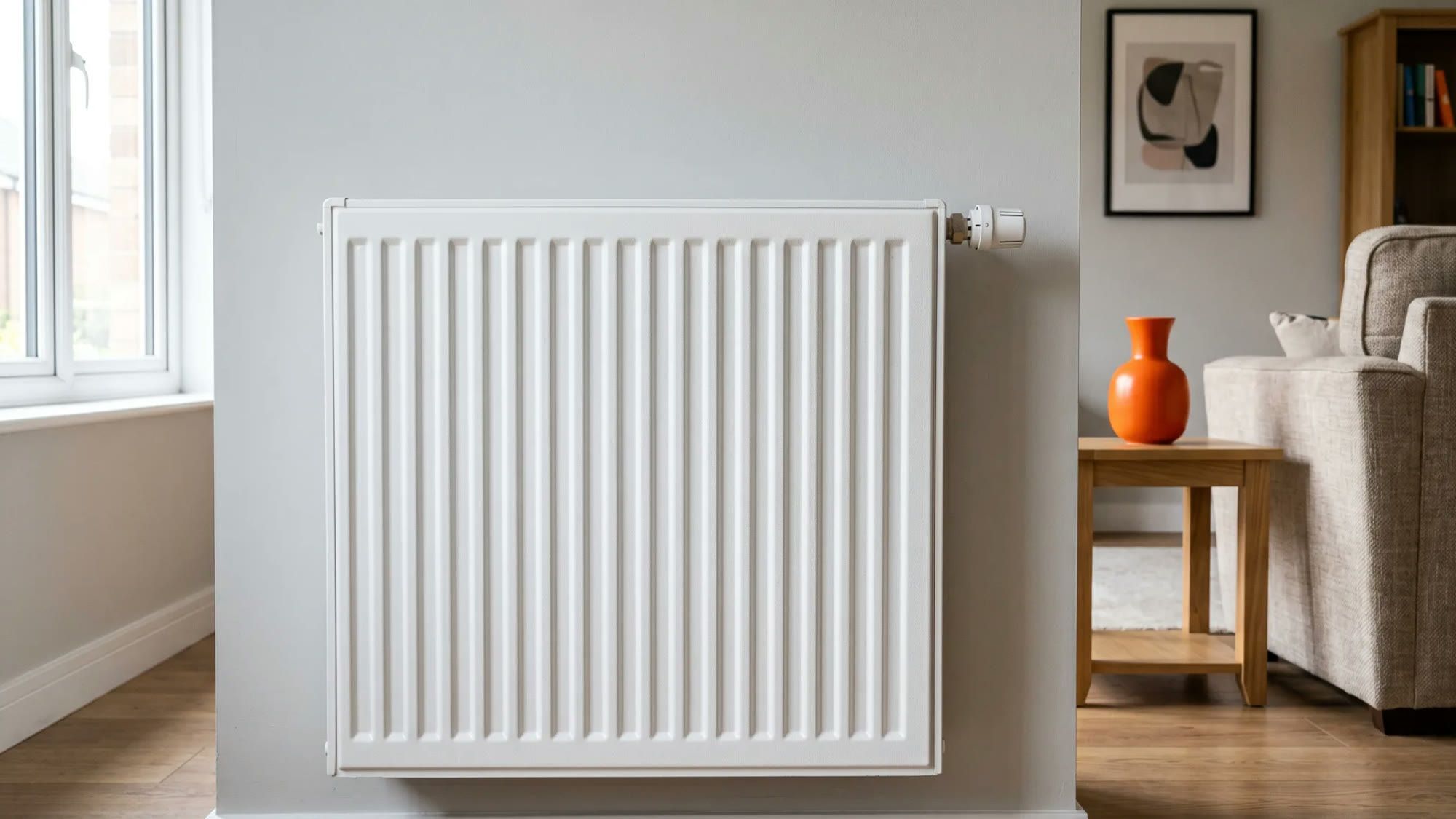
Taking charge of your electricity costs can empower you to gain financial control over your home energy. This guide offers practical, UK-specific strategies to reduce your bill, from quick wins to smart technology.
High electricity bills can feel overwhelming, but understanding your energy use and making informed choices can transform this challenge. This guide provides actionable steps to help you manage your electricity consumption, free up resources, and power your life with greater control.
Ready to take control of your electricity bill? Understanding your energy usage is the first step, and switching to Fuse Energy can help you manage your home's power more effectively. Click here to switch to Fuse Energy today.
Enter your address to get a quote and see how much you could save
Understanding your electricity bill
Gaining control over your electricity bill starts with understanding its components and how your usage translates into costs. It is not about using less, but about using smarter.
Components of your bill
Your electricity bill is primarily made up of two key elements: the unit rate and the daily standing charge. The unit rate is what you pay for each kilowatt-hour (kWh) of electricity you use, measured in pence per kWh. The daily standing charge is a fixed fee applied every day, regardless of how much energy you consume. This covers the cost of supplying electricity to your home and maintaining the grid.
How usage is measured
Electricity consumption is measured in kilowatt-hours (kWh). Your meter records the total amount of electricity your household uses. The average UK home uses around 2,500 kWh of electricity per year, according to Ofgem's medium typical domestic consumption value (TDCV) effective from 1 July 20261. This serves as a common benchmark for household consumption.
The role of the price cap
Ofgem, the UK's energy regulator, sets the energy price cap. This cap influences the maximum unit rates and standing charges that energy suppliers can charge for default tariffs. It aims to protect consumers from sudden or excessive price increases, though it does not cap your total bill, only the rates you pay for each unit and daily standing charge.
Quick wins for immediate savings
Small changes can lead to immediate and noticeable reductions in your electricity bill. These quick adjustments require minimal effort but offer significant returns.
Tackling standby power
Many appliances continue to draw power even when switched off but still plugged in. This "standby power" or "phantom load" can account for 5-16% of a household's total electricity bill, quietly draining your wallet. Unplugging devices when not in use, or using smart plugs to cut power automatically, can eliminate this hidden consumption.
Lighting efficiency
Switching to LED bulbs is one of the simplest ways to reduce lighting costs. LEDs use significantly less electricity and last much longer than traditional incandescent or halogen bulbs, making them a cost-effective upgrade.
Adjusting heating and cooling
Even if your primary heating is gas, electricity is often used to power thermostats, pumps, and fans. Adjusting your thermostat by just one degree can impact energy usage. During colder months, ensuring your home is well-sealed can prevent heat loss. Draught-proofing around windows, doors, and floors can save around £60 to £85 per year on energy bills, making your home more comfortable at lower temperatures.
Optimising appliance use
Understanding which appliances consume the most electricity and adjusting how you use them can lead to substantial savings.
Identifying energy-hungry appliances
Appliances that generate heat, such as electric ovens, tumble dryers, and electric showers, typically use the most electricity. Fridges and freezers also contribute significantly because they run continuously. Knowing your biggest energy users allows you to prioritise where to focus your efforts.
Smart usage of washing machines and dishwashers
These appliances use a lot of energy to heat water. Running them only when full, and opting for lower temperature cycles, can drastically reduce their electricity consumption. Many modern machines also have eco-settings that use less water and energy.
Refrigerator and freezer efficiency
Ensure your fridge and freezer are not set to unnecessarily low temperatures. Check door seals regularly to prevent cold air from escaping, and defrost freezers when ice builds up to maintain efficiency. Placing them away from heat sources like ovens or direct sunlight also helps them run more efficiently.
Home efficiency improvements
Investing in your home's energy efficiency can deliver long-term savings and increase comfort.
Draught-proofing and insulation
Beyond quick fixes, comprehensive draught-proofing and insulation are fundamental. Properly insulating your loft, walls, and floors reduces heat loss, meaning your heating system works less to maintain a comfortable temperature. This is a foundational step towards a more energy-efficient home.
Window and door upgrades
Single-glazed windows and poorly sealed doors are major culprits for heat loss. Upgrading to double or triple glazing, or ensuring existing windows and doors are properly sealed, can make a significant difference to your home's thermal performance and reduce the need for excessive heating.
Water heating efficiency
If you have an electric immersion heater, ensure it is well-insulated and consider adjusting its thermostat. Reducing your hot water usage, taking shorter showers, and fixing leaky taps can also contribute to lower electricity bills.
Leveraging smart technology
Smart technology offers powerful tools to understand, monitor, and control your energy usage, moving you from passive consumption to active management.
The power of smart meters
Smart meters provide detailed, real-time data on your electricity consumption. This information, often accessible through an app, allows you to see exactly when and how you're using energy. By identifying high-usage periods or appliances, you can make informed decisions to adjust your habits and gain control over your bill. Fuse's app, for example, displays your energy data, helping you understand and manage your usage transparently.
How do smart meters help reduce electricity usage?
Smart meters provide real-time data on your energy consumption, allowing you to see exactly how much electricity you're using and when. This visibility empowers you to identify energy-intensive habits and appliances, enabling you to make informed adjustments to reduce your overall usage and, consequently, your electricity bill.
Smart thermostats and controls
Smart thermostats learn your preferences and can be controlled remotely, optimising your heating schedule to avoid wasting energy when you are not home. They can also integrate with other smart home devices for more comprehensive energy management.
Smart plugs for automation
As mentioned for standby power, smart plugs allow you to control individual appliances remotely or set schedules for them to switch on and off. This automation ensures devices are only powered when needed, eliminating wasted energy.
Reviewing your tariff and supplier
Regularly checking your energy tariff and supplier ensures you are always on the best deal available, complementing your efforts to reduce consumption.
Comparing energy deals
The energy market is dynamic, with tariffs changing frequently. Periodically comparing deals from different suppliers is crucial to ensure you are not overpaying. Websites and services dedicated to energy comparison can help you find the most competitive rates for your household's usage patterns.
Understanding different tariff types
Beyond comparing prices, understand the different types of tariffs available. Fixed tariffs lock in your unit rate for a set period, offering predictability. Variable tariffs can change with the market, potentially offering lower rates but with less certainty. Time-of-use tariffs, often enabled by smart meters, offer cheaper electricity during off-peak hours, rewarding flexible consumption.
When to consider switching
If you find a significantly better deal, or if your current fixed tariff is ending, it is usually a good time to consider switching. The process of changing energy suppliers is typically straightforward and managed by the new supplier.
Long-term strategies for sustainable savings
True control over your electricity bill comes from a combination of immediate actions and long-term planning, leading to sustainable savings and greater financial freedom.
Considering renewable energy
For those looking further ahead, options like solar panels can generate your own electricity, reducing reliance on grid power. A modern onshore wind turbine, for instance, can produce roughly 4,700 MWh (4,700,000 kWh) per year, enough for around 1,900 average UK homes, based on a 2 MW onshore turbine with a 27% capacity factor. This illustrates the potential of renewable generation. While installing your own renewable energy system is a significant investment, it can offer substantial long-term savings and environmental benefits.
Future-proofing your home
Think about energy efficiency when making home improvements. Upgrading appliances to more energy-efficient models, improving insulation, and considering heat pumps can all contribute to a future-proofed home with lower running costs.
Continuous monitoring and adjustment
Energy management is an ongoing process. Regularly reviewing your smart meter data, checking your bills, and staying informed about new technologies and tariffs will help you maintain control and continue to optimise your electricity usage. This proactive approach ensures you adapt to changes and consistently make choices that benefit your financial well-being.
Managing your energy bills should be clear and easy to understand. Fuse Energy focuses on straightforward pricing, so you can see exactly what you are paying without unnecessary complexity. If you have a smart meter, you can view detailed usage data through the app or website, helping you understand how you can lower your bills. Our 24/7 human support team is always on hand with fast response times whenever you need help. Click here to switch to Fuse Energy today. Find out about our mission by clicking here.
References
Disclaimer
For the avoidance of doubt, this article is provided for informational purposes only and is not intended to constitute legal or financial advice. The author and/or Fuse Energy shall not be responsible for any losses arising out of any reliance on the information contained herein.