Emergency credit on your electric meter
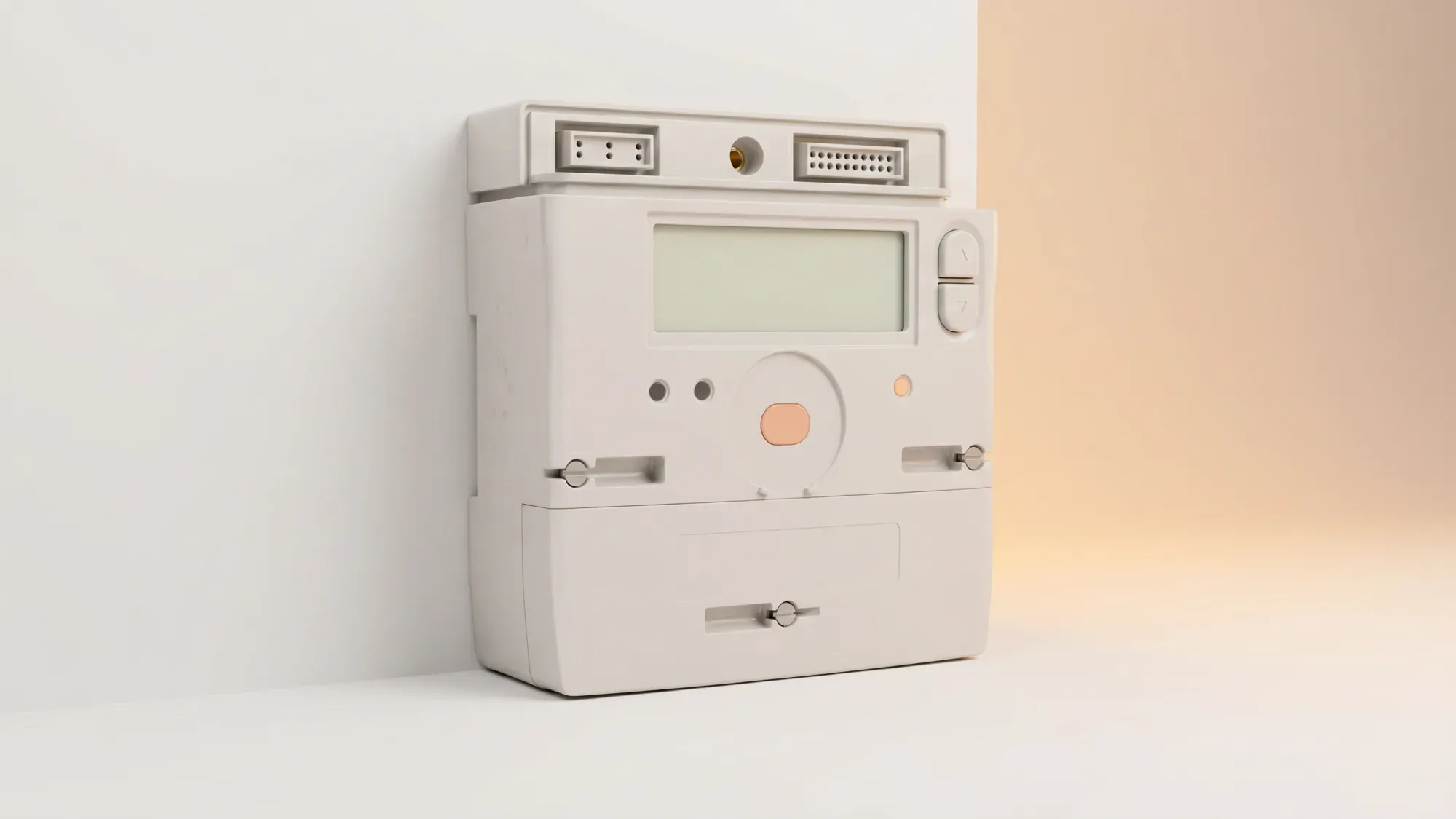
Running low on your electric prepayment meter can be a stressful experience, leaving you worried about losing power. Emergency credit is a short-term solution designed to prevent immediate disconnection when your funds are nearly depleted. It acts as a temporary lifeline, giving you a fixed amount of electricity to keep your supply on until you can next top up.
If you're looking for a simpler way to manage your home's electricity, Fuse Energy offers clear pricing and in-app usage tracking to help you stay on top of your energy. Click here to switch to Fuse Energy today.
Enter your address to get a quote and see how much you could save
Understanding emergency credit
Emergency credit is a crucial feature for anyone using a prepayment meter, providing a buffer against sudden power loss.
What is emergency credit?
Emergency credit is a fixed amount of electricity provided by your energy supplier when your prepayment meter credit is running low. Its purpose is to prevent your power from cutting off immediately, giving you time to top up your meter. Ofgem, the UK's energy regulator, requires energy suppliers to offer emergency credit to prepayment meter customers. This credit is not free; it is a loan that must be repaid with your next top-up.
How much emergency credit can you get?
The amount of emergency credit available is a small, fixed amount, which can vary between energy suppliers. This amount is intended to provide a short period of supply, typically designed to cover a few days of essential usage.
Emergency credit versus friendly credit
While both emergency credit and friendly credit are safety nets for prepayment meter users, they operate differently. Emergency credit is a fixed amount that you typically activate yourself, either directly on your meter or through your supplier. Friendly credit, on the other hand, is automatically applied during specific times, such as evenings, weekends, and bank holidays, to prevent your supply from cutting off when it is difficult to top up.
Activating emergency credit on your meter
Activating emergency credit usually involves a few simple steps, though the exact process can differ depending on your meter type and supplier.
General steps for smart meters
Smart prepayment meters often make activating emergency credit more straightforward. For these meters, emergency credit can frequently be activated remotely via your energy supplier's app, online account, or by contacting their customer service. Some smart meters also allow activation directly on the meter display. You might need to navigate through menu options, looking for sections labelled 'Emergency Credit', 'Emergency Supply', or 'Credit Options', and then confirm your choice. For example, some meters offer emergency credit when the balance drops to a low amount, activated by pressing a specific button.
General steps for traditional prepayment meters
With traditional prepayment meters, you often need to activate emergency credit directly on the meter itself. This usually involves pressing a specific button or navigating through the meter's menu. Look for options like "Emergency Credit", "EC", or a similar prompt on the display. For some meters, inserting your top-up key or card when your balance is low will prompt the option to activate emergency credit.
What to do if you cannot activate it
If you are struggling to activate emergency credit, or if your meter is not responding, contact your energy supplier immediately. They can guide you through the process or activate it remotely if you have a smart meter. If you are unable to reach your supplier, or if you need further assistance, organisations like Citizens Advice can offer support and advice.
Repaying emergency credit
Understanding how emergency credit is repaid is vital to avoid unexpected deductions and ensure continuous supply.
How repayment works
Emergency credit is a loan, not a grant, meaning it must be repaid. The amount of emergency credit you have used will be automatically deducted from your meter the next time you top up. For instance, if you use emergency credit and then top up, the emergency credit will be repaid first from your top-up, with the remainder applied to your energy consumption.
Consequences of not repaying
If you do not top up enough to cover the emergency credit used, your supply will eventually disconnect once the emergency credit runs out. This can happen unless it occurs during a friendly credit period. It is crucial to top up as soon as possible to repay the emergency credit and restore your balance.
Managing your credit balance
To avoid running out of credit again, ensure your next top-up covers both the emergency credit used and any daily standing charges incurred, plus enough for your anticipated future energy consumption. If you keep running out of credit, you will build up extra debt to your supplier, for example, needing to pay back any emergency credit you use.
Friendly credit periods explained
Friendly credit periods are a crucial protection designed to prevent your energy supply from cutting off at inconvenient times.
When friendly credit applies
Friendly credit hours are specific periods when your energy supply will not be cut off if your prepayment meter runs out of credit. These hours are designed to cover times when it might be difficult to top up, such as evenings, weekends, and public holidays. The exact timings can vary by supplier.
What happens during friendly credit hours?
During friendly credit hours, if your meter runs out of credit, your energy supply will not disconnect until the next working day. This provides a temporary reprieve, allowing you time to top up without immediate loss of power. The cost of any energy used during this period is added as debt to your meter and will be deducted from your next top-up.
How to avoid disconnection during friendly hours
If your meter runs out of credit during these designated "friendly hours", your supply will not shut off automatically. You will move automatically onto friendly credit, and the cost of any energy you use will be added to your meter as debt, to be deducted from your next top-up. This ensures your energy supply continues uninterrupted until the next opportunity to top up.
What to do if you are struggling to top up
If you find yourself frequently needing emergency credit or struggling to afford top-ups, there are several avenues for support.
Contacting your energy supplier for support
If you cannot afford to top up your meter, the most important first step is to contact your energy supplier. Under Ofgem's rules, your supplier must offer to help you. This could include discussing repayment plans, offering additional support credit if you are in a vulnerable situation, or providing breathing space while you work out ways to pay. They must work with you to agree on a payment plan you can afford.
Seeking independent advice and financial help
Organisations like Citizens Advice can provide invaluable support and information on available grants and benefits to help you pay your energy bills1. They can also help you understand your rights as a prepayment meter customer.
Exploring hardship funds and grants
Many energy suppliers offer grants or hardship funds for customers who are struggling to afford their energy bills. These funds can help clear existing debt or provide emergency credit. The British Gas Energy Trust, for example, offers grants to anyone, not only British Gas customers. Additionally, you may be eligible for government benefits like the Warm Home Discount Scheme, Cold Weather Payments, or fuel vouchers, which can provide further assistance.
Moving beyond prepayment meters
While emergency and friendly credit offer vital safety nets, moving to a different meter type can provide more flexibility and control over your energy usage.
Benefits of smart meters and credit meters
Smart meters offer numerous benefits, including accurate bills based on actual usage rather than estimates. They come with an in-home display (IHD) that shows your energy use in near real-time, helping you to monitor and manage your consumption. Smart meters also allow for remote top-ups, meaning you can add credit without leaving home, and can prevent you from unknowingly running out of credit.
Switching to a credit meter means you pay for your energy after you have used it, typically through a monthly or quarterly bill. This eliminates the need for frequent top-ups and can offer access to a wider range of tariffs.
How to switch from a prepayment meter
You can generally change a prepayment meter to a credit meter, but this is often subject to certain conditions. While being debt-free or having a repayment plan simplifies the process, the Debt Assignment Protocol (DAP) allows customers with debt up to £500 per fuel to switch, as the debt can be transferred to the new supplier. You may also need to pass a credit check.
If you have a smart meter, your supplier may be able to switch it from prepayment to credit mode remotely and often without charge. If you have a non-smart prepayment meter, your supplier might offer to replace it with a smart meter, which should also be free. Contact your energy supplier to discuss your options and the process for switching.
Managing your energy should be straightforward and stress-free. Fuse Energy offers clear pricing, real-time usage data through our app, and 24/7 human customer support to help you stay in control of your energy bills. Our smart tariffs are designed to help you save money and understand your usage better.
Ready for a simpler energy experience? Click here to switch to Fuse Energy today. You can also learn more about our mission to make energy fairer and greener by visiting our mission page.
References
- Citizens Advice. Grants and benefits to help you pay your energy bills
Disclaimer
For the avoidance of doubt, this article is provided for informational purposes only and is not intended to constitute legal or financial advice. The author and/or Fuse Energy shall not be responsible for any losses arising out of any reliance on the information contained herein.