How to detect a gas leak
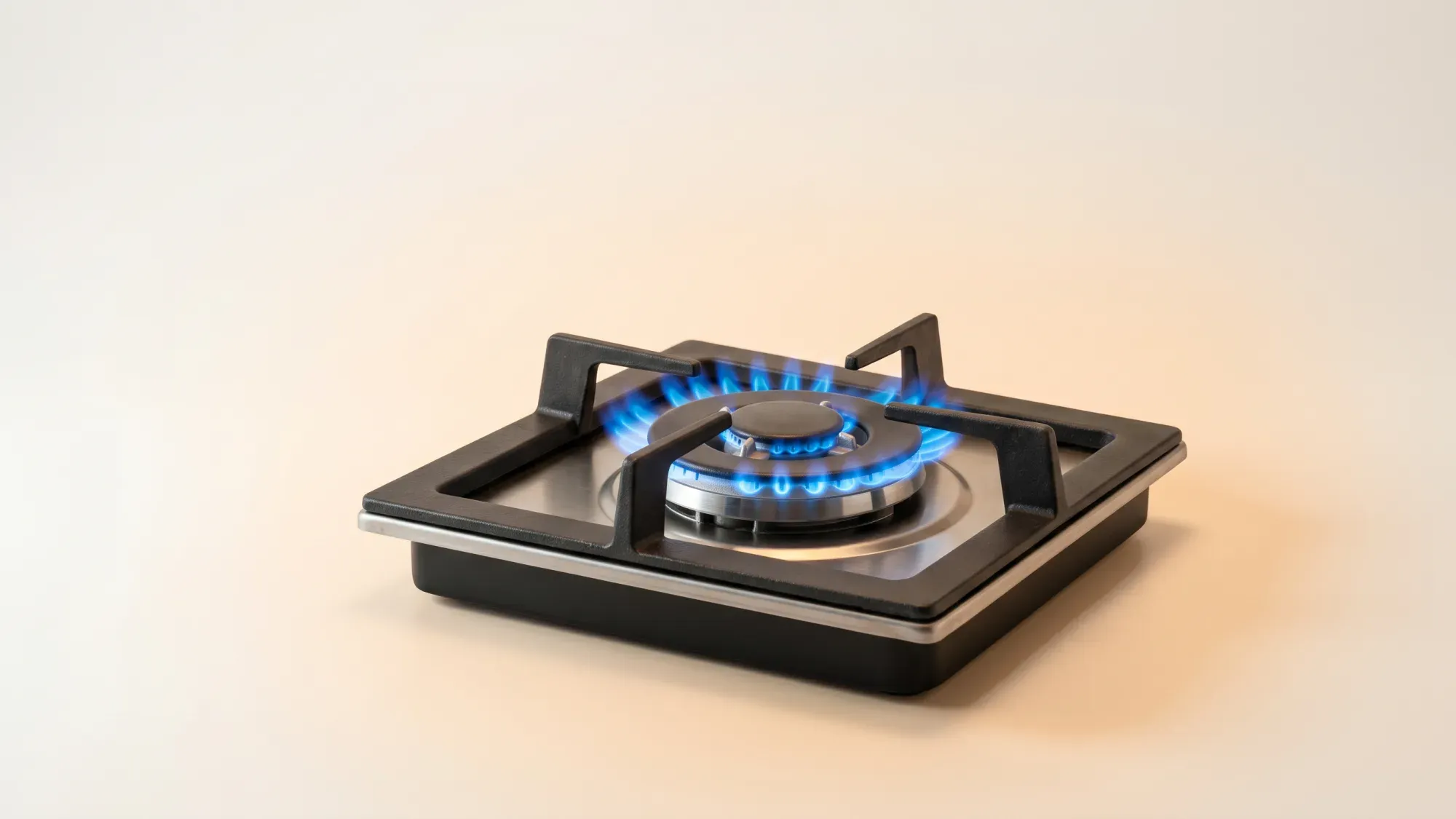
A gas leak in your home is a serious safety concern that demands immediate attention. Knowing the signs and what to do can protect your health and property. This guide provides clear, actionable instructions and emergency contact information for UK homeowners and renters.
Understanding how to detect a gas leak is vital for home safety. Fuse Energy is committed to helping you manage your home's energy safely and efficiently. If you are looking for clear pricing and support, consider switching to Fuse Energy today. Click here to get started.
Enter your address to get a quote and see how much you could save
Recognising the signs of a gas leak
Detecting a gas leak often relies on your senses. While natural gas is odourless, a distinctive smell is intentionally added to help you identify a potential leak.
The distinctive smell of gas
Natural gas itself has no smell, colour, or taste, making leaks difficult to detect without assistance. To ensure safety, a harmless chemical called mercaptan is added to natural gas, giving it a strong, unpleasant odour often described as rotten eggs or sulphur. This potent smell is the most common and crucial indicator of a gas leak. Mercaptan is detectable by the human nose at very low concentrations, sometimes as little as 1 part per billion.
Visual and auditory clues
Beyond the smell, other signs can point to a gas leak:
- Hissing or whistling sounds: You might hear these near a gas line or appliance, indicating gas escaping under pressure.
- Bubbles in standing water: If you notice bubbles in puddles or wet areas near a gas line, it could mean gas is forcing its way through the liquid.
- Dying plants: Gas displacing oxygen in the soil can cause houseplants or outdoor vegetation near gas lines to suddenly die or discolour.
- Visible damage: Look for damaged gas pipes or connections.
- Dust or white cloud: A white cloud or dust cloud near a gas line can also be a warning sign.
Subtle indicators and health symptoms
Even small gas leaks can affect your health, as they reduce the amount of oxygen in the air. If you experience any of the following symptoms without a clear cause, especially if multiple people or pets in the household are affected, it could indicate a gas leak:
- Headaches
- Dizziness or lightheadedness
- Nausea or vomiting
- Fatigue or drowsiness
- Difficulty breathing
- Irritation to the eyes and throat
- Flu-like symptoms
- Mood changes or disorientation
If you or your pets exhibit these symptoms, seek fresh air immediately and consider the possibility of a gas leak.
Immediate actions if you suspect a gas leak
If you suspect a gas leak, acting quickly and calmly is paramount.
Prioritise safety and evacuate
Your safety and the safety of others are the top priorities.
- Stop what you are doing: Do not smoke, light matches, or use any open flames.
- Ventilate: Open all windows and doors to help disperse the gas.
- Turn off the gas supply: If it is safe and easy to do so, turn off your gas supply at the meter.
- Evacuate immediately: Leave the property, taking all occupants and pets with you.
- Move to a safe distance: Once outside, ensure you are a safe distance away from the property.
Contacting the National gas emergency service
From a safe location, such as a neighbour's house or outside, immediately call the National Gas Emergency Service.
What is the National Gas Emergency Service number?
The National Gas Emergency Service number is 0800 111 999. This helpline operates 24/7, 365 days a year, and all calls are free. They will provide advice and dispatch an emergency gas engineer to investigate and make the situation safe.
The National Gas Emergency Service number is 0800 111 999. This service is available 24 hours a day, 7 days a week, and is free to call. They will advise you on the next steps and send an emergency gas engineer to your location. Do not re-enter your property until emergency services confirm it is safe to do so.
What not to do during a gas leak
In a gas emergency, certain actions can be extremely dangerous and must be avoided:
- Do not use electrical switches: Avoid turning lights or any electrical appliances on or off, as this could create a spark and ignite the gas.
- Do not use mobile phones inside the property: Use your phone only once you are outside and at a safe distance.
- Do not attempt to locate or fix the leak yourself: Leave this to qualified professionals.
- Do not re-enter the property: Wait for the emergency services to confirm it is safe.
Practical methods for detecting small leaks
While a strong smell is the primary indicator, sometimes leaks can be subtle.
The soapy water test
For identifying small leaks, particularly around appliance connections or pipe joints, a simple soapy water test can be effective.
- Prepare the solution: Mix one part washing-up liquid with three parts water in a bowl or spray bottle. You want a consistency that produces good bubbles.
- Apply to suspected areas: Brush, wipe, or spray the soapy solution onto areas where you suspect a leak, such as pipe threads, connections, or hoses.
- Observe for bubbles: If gas is escaping, bubbles will form and expand at the leak source. The larger the bubbles, the bigger the leak.
- Rinse: If no bubbles appear, rinse the area with clean water.
This test is useful for confirming the location of a suspected leak but should not replace professional assessment if you have concerns.
Using a gas leak detector
Gas leak detectors can provide an early warning of gas presence, especially for leaks that might not be easily detectable by smell. These devices are available in the UK market and come in various forms:
- Portable detectors: These are small, handheld devices that can be carried to monitor different areas for leaks. They often come with visual and audible alarms.
- Fixed detectors: Typically installed in specific areas, fixed detectors continuously monitor for hazardous gases and provide an early warning system. They can be configured with customisable alarm settings.
- Personal detectors: These are worn by individuals to continuously monitor their breathing zone for atmospheric hazards.
These detectors can sense different types of gases and trigger alarms if a specific level of gas is present, helping to prevent serious health hazards and accidents.
Preventing gas leaks and ensuring safety
Prevention and regular checks are key to maintaining gas safety in your home.
Regular appliance maintenance
Ensure all gas appliances, such as boilers, cookers, and fires, are installed and serviced annually by a Gas Safe registered engineer. Regular maintenance helps identify and fix faults before they can lead to a gas escape, fire, or carbon monoxide (CO) poisoning.
Installing carbon monoxide and gas detectors
While often confused, carbon monoxide (CO) and gas detectors serve different, equally vital purposes:
- Gas detectors alert you to the presence of natural gas.
- Carbon monoxide detectors warn you about the presence of carbon monoxide, a colourless, odourless, and tasteless gas produced by incomplete combustion, which can be fatal.
Installing both types of alarms provides comprehensive protection. Place gas detectors near gas appliances. Carbon monoxide detectors should be placed in all rooms with a fuel-burning appliance, between 1m and 3m horizontally from the appliance, and at least 300mm from any wall if on the ceiling. In bedrooms and living rooms, it may be better to place them at breathing height.
Frequently asked questions about gas leaks
How long does it take for a gas leak to be dangerous?
The danger from a gas leak can escalate quickly, depending on the size of the leak, the ventilation in the area, and the concentration of gas. Natural gas is highly flammable, and a build-up can lead to explosion or fire. Even small, prolonged leaks can pose health risks due to reduced oxygen levels and potential carbon monoxide production. Always treat a suspected gas leak as an immediate emergency.
Can a small gas leak make you sick?
Yes, even small gas leaks can make you sick. Exposure to natural gas can reduce the amount of oxygen in the air, leading to symptoms such as headaches, dizziness, nausea, fatigue, and difficulty breathing. Prolonged exposure can worsen these symptoms and have serious long-term health effects.
Who is responsible for gas leaks in a rented property?
In a rented property, your landlord is generally responsible for ensuring that gas appliances and pipework are safely maintained by a Gas Safe registered engineer. This includes annual gas safety checks. However, tenants should immediately report any suspected gas leaks to their landlord and the National Gas Emergency Service.
Managing your home's energy bills should be clear and easy to understand. Fuse Energy focuses on straightforward pricing, so you can see exactly what you are paying without unnecessary complexity. If you have a smart meter, you can view detailed usage data through the app or website, helping you understand how you can lower your bills. If you do not have a smart meter, Fuse Energy can upgrade your non-smart meter, completely for free. This can make it easier to track spending and make informed decisions about your energy use. Our 24/7 human support team is always on hand with fast response times whenever you need help. Click here to switch to Fuse Energy today. Find out about our mission by clicking here.
Disclaimer
For the avoidance of doubt, this article is provided for informational purposes only and is not intended to constitute legal or financial advice. The author and/or Fuse Energy shall not be responsible for any losses arising out of any reliance on the information contained herein.