How to bleed a radiator
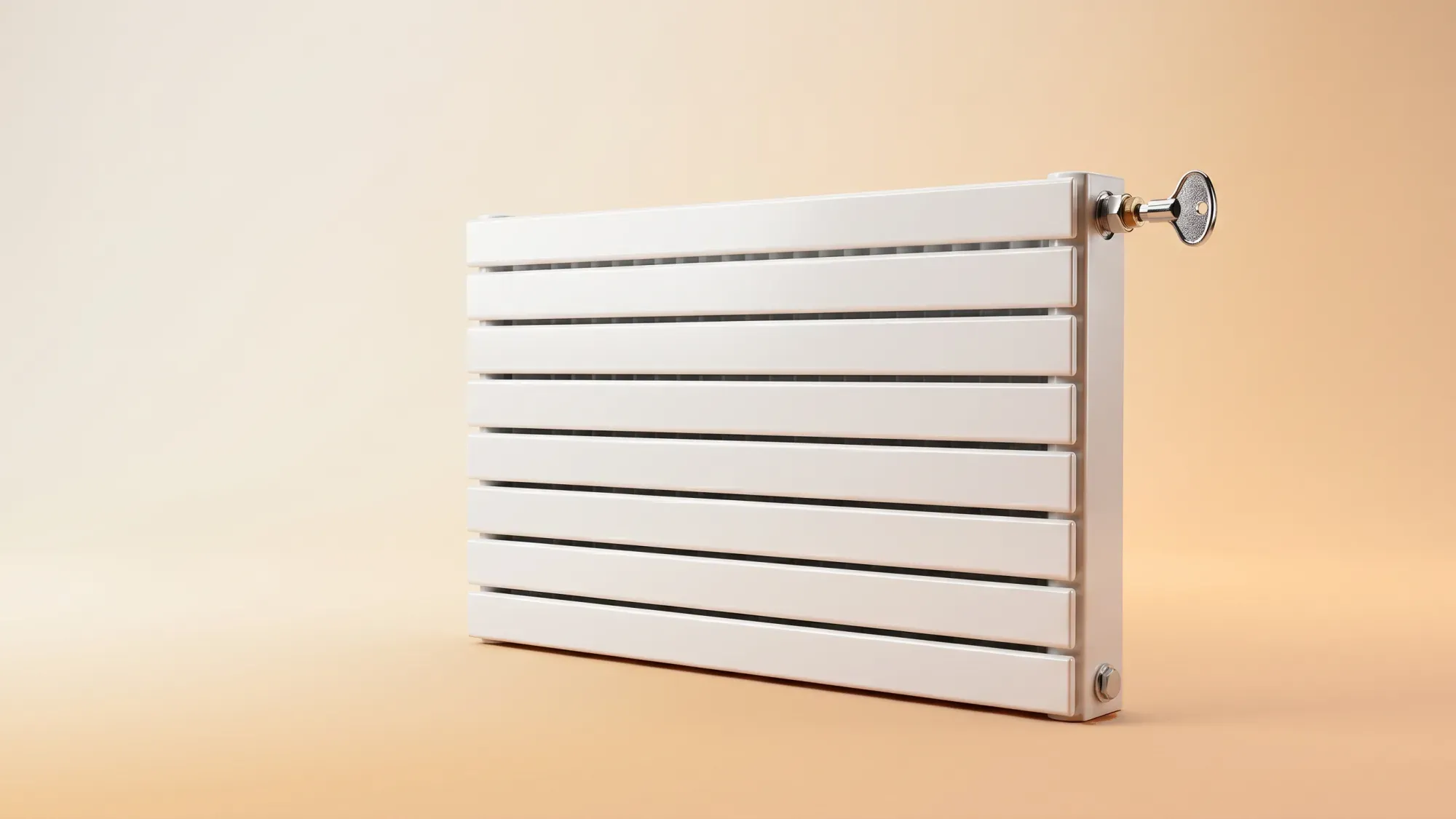
Inefficient heating, cold spots on radiators, and strange gurgling noises are common frustrations for UK homeowners, often leading to discomfort and higher energy bills. Bleeding your radiators is a simple, effective maintenance task that tackles these issues head-on, allowing your central heating system to run more efficiently and keep your home warmer.
Keeping your home warm and your heating system running efficiently is key to managing energy costs. Fuse Energy offers clear pricing and smart tools to help you understand and control your energy usage. Click here to learn more.
Enter your address to get a quote and see how much you could save
Why and when to bleed your radiators
Air naturally accumulates within your central heating system over time. This trapped air prevents hot water from circulating properly, creating cold spots on your radiators and forcing your boiler to work harder to heat your home. This inefficiency isn't just uncomfortable; it can significantly reduce heating efficiency and lead to a noticeable increase in energy consumption and utility costs. Considering the average UK home uses around 9,500 kWh of gas per year, improving heating efficiency can lead to tangible savings.
Signs your radiators need bleeding
The most obvious sign your radiators need bleeding is if they are cold at the top but warm at the bottom. This indicates air is trapped in the upper section, blocking the hot water. Other clues include gurgling or banging noises coming from your heating system, which are often caused by air moving through the pipes. If your heating bills seem higher than usual without a corresponding increase in usage, inefficient radiators could be a contributing factor.
How often should you bleed radiators?
Bleeding radiators annually or bi-annually is generally recommended for optimal system performance. Many homeowners choose to do this at the start of the colder months, before the heating system is in constant use. However, if you notice any of the signs mentioned above, you should bleed them regardless of how recently you last did so.
Why is there air in my radiator?
Air can enter your heating system through tiny leaks, during system refills, or as a natural byproduct of the water heating and cooling cycle. Over time, these small amounts accumulate, leading to cold spots and reduced efficiency. Regular bleeding releases this trapped air, ensuring optimal performance.
Essential tools for bleeding radiators
You don't need a specialist to bleed your radiators; it's a straightforward DIY task that requires just a few basic items.
The radiator bleed key
The most crucial tool is a radiator bleed key. These small, square-ended keys fit into the bleed valve on your radiator. They are inexpensive, typically costing under £5, and can be found at most hardware stores or DIY shops.
Alternatives if you don't have a key
If you do not have a specific radiator bleed key, some older radiators might have a valve that can be opened with a flat-head screwdriver. However, this is less common with modern radiators, and a proper bleed key is always recommended to avoid damaging the valve. Using pliers or other tools can strip the valve, making it difficult to bleed the radiator in the future.
Step-by-step guide to bleeding your radiators
Bleeding your radiators is a simple process, but following the correct steps ensures safety and effectiveness.
Preparation: turning off your heating
First, turn off your central heating system completely and allow all radiators to cool down. Attempting to bleed radiators while the system is hot or running can be dangerous, as hot water and steam can escape, and it will not effectively remove all the trapped air. Gather your tools: your radiator bleed key, a cloth or old towel to catch any drips, and a small container (like a mug or bowl) for water.
The bleeding process
Start with the radiator located on the lowest floor of your home. Locate the bleed valve, usually a small, square or slotted nut on one end of the radiator, near the top. Place your cloth or container underneath the valve. Insert the bleed key into the valve and slowly turn it anti-clockwise. You should hear a hissing sound as trapped air escapes.
Working through your home
Keep the valve open until the hissing stops and a steady stream of water begins to flow out. This indicates that all the trapped air has been released. Once water flows consistently, close the valve by turning the key clockwise until it is hand-tight. Repeat this process for all affected radiators, working your way upwards through your home, from the lowest floor to the highest. This ensures that any remaining air is pushed towards the higher radiators, where it can be released.
After bleeding: checking boiler pressure and system performance
Once you have bled all your radiators, a few crucial steps remain to ensure your heating system is operating correctly.
Repressurising your boiler
Bleeding radiators will lower your boiler's pressure. It is essential to check your boiler's pressure gauge and repressurise the system if necessary. Consult your boiler's instruction manual for specific guidance, as the process varies between models. Typically, this involves locating the filling loop and opening the valves until the pressure gauge returns to the recommended level (usually between 1 and 1.5 bar when the system is cold).
What to expect after bleeding
After repressurising, turn your heating back on and check all radiators for even heat distribution. They should now heat up fully and consistently, without any cold spots. You might notice your home feels warmer, and your boiler may run more quietly and efficiently.
Troubleshooting common issues
If you still experience persistent cold spots or unusual noises after bleeding and repressurising, it could indicate a more significant issue. This might include a build-up of sludge in your system, a faulty pump, or a problem with your boiler that requires professional attention. Bleeding radiators is a maintenance task, not a cure-all for every heating system problem. Similarly, if your radiators consistently need bleeding, it could point to a leak in the system that needs investigating. For issues like sludge build-up, a power flush might be necessary, which is a job for a qualified heating engineer.
The benefits of regular radiator maintenance
Proactive maintenance, like regularly bleeding your radiators, is a simple way to take control of your home's energy use and comfort.
Improved heating efficiency
By removing trapped air, hot water can circulate freely throughout your radiators, ensuring they heat up fully and evenly. This means your boiler does not have to work as hard or for as long to reach your desired temperature, directly improving your system's overall efficiency. Homeowners often pair this with a smart meter installation to track usage and confirm efficiency gains.
Lower energy bills
An efficient heating system uses less energy to warm your home. This translates into lower gas consumption and, consequently, reduced energy bills. Empowering yourself with simple DIY tasks like bleeding radiators can make a tangible difference to your household budget. Understanding your energy usage is key to managing costs, and you can find more information on how to interpret your statements in our guide to understanding your energy bill.
Extending system lifespan
Regular maintenance helps to prevent unnecessary strain on your boiler and other heating system components. By ensuring optimal operation, you can contribute to extending the lifespan of your central heating system, potentially delaying costly repairs or replacements. It is about encouraging proactive care to ensure your heating systems operate at peak efficiency, challenging the mindset of accepting suboptimal performance.
Managing your home's energy should be straightforward and empowering. Fuse Energy provides clear pricing, real-time usage data through our app, and 24/7 human support to help you stay on top of your energy consumption. Switching is quick and easy, allowing you to take control of your bills and make informed decisions about your home's energy use. Click here to switch to Fuse Energy today.
Disclaimer
For the avoidance of doubt, this article is provided for informational purposes only and is not intended to constitute legal or financial advice. The author and/or Fuse Energy shall not be responsible for any losses arising out of any reliance on the information contained herein.