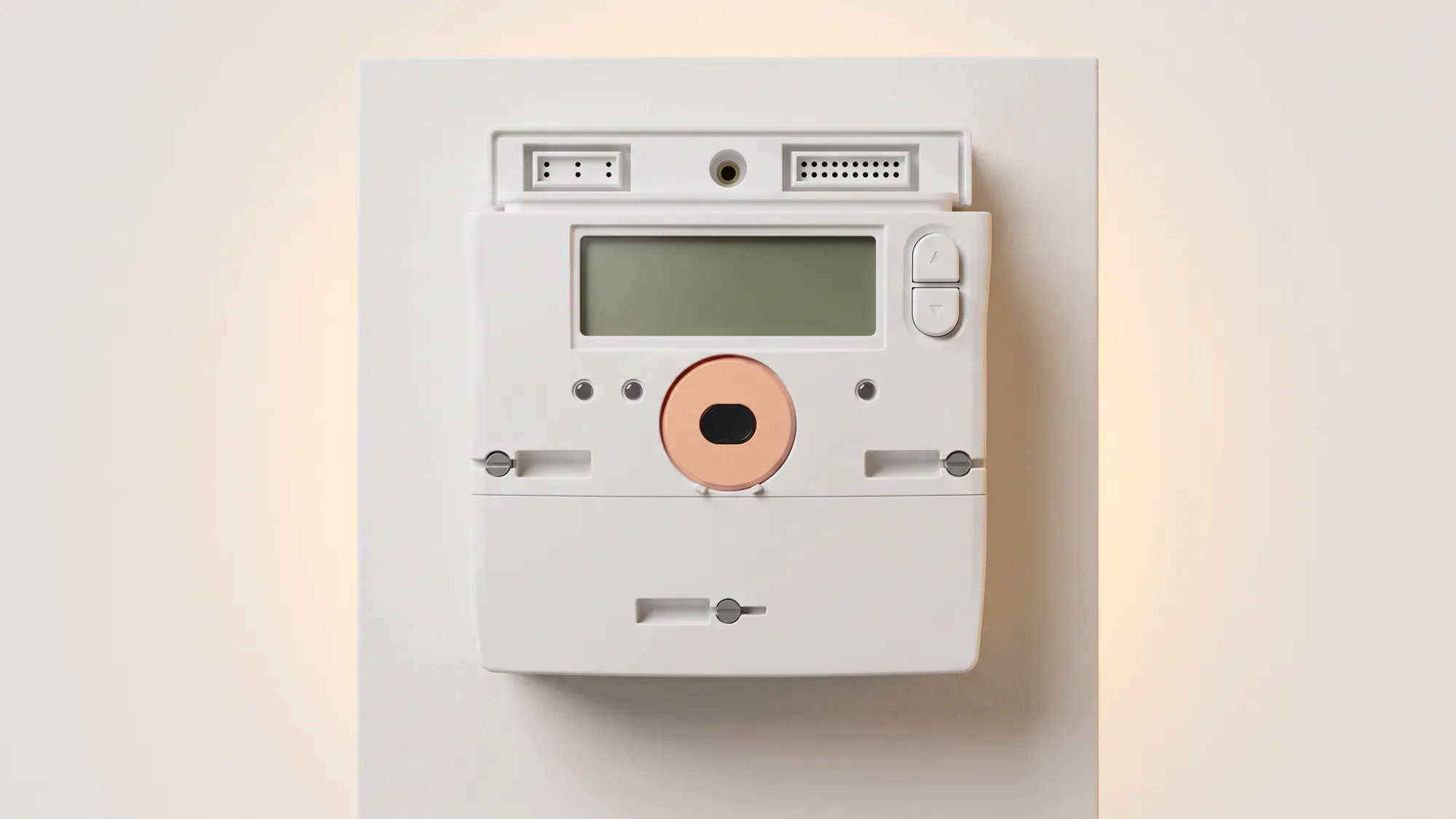
Running low on energy credit can be a stressful experience, but activating emergency credit on your smart meter can quickly restore your supply. This temporary safety net is designed to keep your power on when your balance is low, offering a crucial buffer before your next top-up. Understanding how to manage your energy supply, especially during low credit, is key to peace of mind.
If you're looking for clear pricing and support to manage your energy, Fuse Energy offers transparent tariffs and 24/7 human customer service to help you stay on top of your usage. Click here to get started.
Smart prepayment meters offer an emergency credit function to prevent immediate energy disconnection when your credit runs low. This feature is a vital safety net, ensuring you maintain your energy supply during challenging times.
What is emergency credit?
Emergency credit is a short-term loan provided by your energy supplier to prevent your electricity or gas supply from cutting out if your prepayment meter runs low or out of credit. It acts as a temporary measure, giving you time to top up your meter without immediately losing power. Ofgem, the UK's energy regulator, requires suppliers to offer this facility to prepayment meter customers.
How much emergency credit can you get?
Most UK energy suppliers offer a small, fixed amount of emergency credit for smart pay-as-you-go meters. This amount is intended to provide a short period of supply, allowing you to top up your meter without immediately losing power.
Activating emergency credit typically involves interacting directly with your smart meter display unit or in-home display (IHD). While exact steps can vary between meter models and suppliers, the general process remains consistent.
Checking your meter for low credit
Your smart meter or in-home display will usually alert you when your credit is running low, often with a warning message or an audible beep. Emergency credit typically becomes available when your normal credit balance drops below a certain low threshold.
Navigating your smart meter display
Using the buttons on your IHD or meter, navigate through the menu options. Look for a section labelled 'Emergency Credit', 'Emergency Supply', 'Credit Options', or similar. You might need to press an 'OK' or 'Menu' button to access these options.
Confirming activation
Once you find the 'Emergency Credit' option, follow the on-screen prompts to activate it. This might involve confirming your choice or pressing a specific button. The meter will usually display a message confirming the activation, such as 'Emergency Credit in use'.
Using emergency credit provides immediate relief, but it's crucial to understand its implications for your future top-ups and energy supply.
Repaying your emergency credit
Emergency credit is a loan, not a free allowance, and must be repaid. When you next top up your meter, the amount of emergency credit you used will be deducted from your top-up. For example, if you use some emergency credit and then top up, the amount you used will be taken to repay the loan. Your meter will show you the full amount owed, so factor this into your next top-up.
If you find yourself frequently relying on emergency credit or struggling to manage your energy costs, there are additional support services available1.
The Priority Services Register (PSR)
The Priority Services Register (PSR) is a free support service for vulnerable customers, designed to provide extra help during power cuts or supply interruptions. You may be eligible to join if you:
- Have reached State Pension age.
- Are disabled or have a long-term medical condition, including mental health conditions.
- Are pregnant or have young children (aged five or under).
- Rely on medical equipment that requires a power supply.
- Are recovering from an injury or recent hospital stay.
- Have communication needs, such as difficulty speaking or reading English.
- Are experiencing temporary hardship, such as recent bereavement or job loss.
Joining the PSR can provide benefits like priority support in an emergency, advance notice of planned power cuts, and accessible information. While you won't be denied eligibility based on your condition, you will be asked to provide information about your situation when registering for the PSR.
Contacting your energy supplier for help
If you are struggling to top up your meter or repay emergency credit, contact your energy supplier directly. They can discuss repayment plans and offer additional support credit in certain circumstances. Fuse Energy offers 24/7 human customer support to assist with emergency credit queries or financial concerns.
Is emergency credit free?
No, emergency credit is not free. It is a temporary loan that must be repaid from your next top-up. While there is no charge for using the facility itself, the amount borrowed will be deducted from your subsequent payment.