Electric car charging costs explained
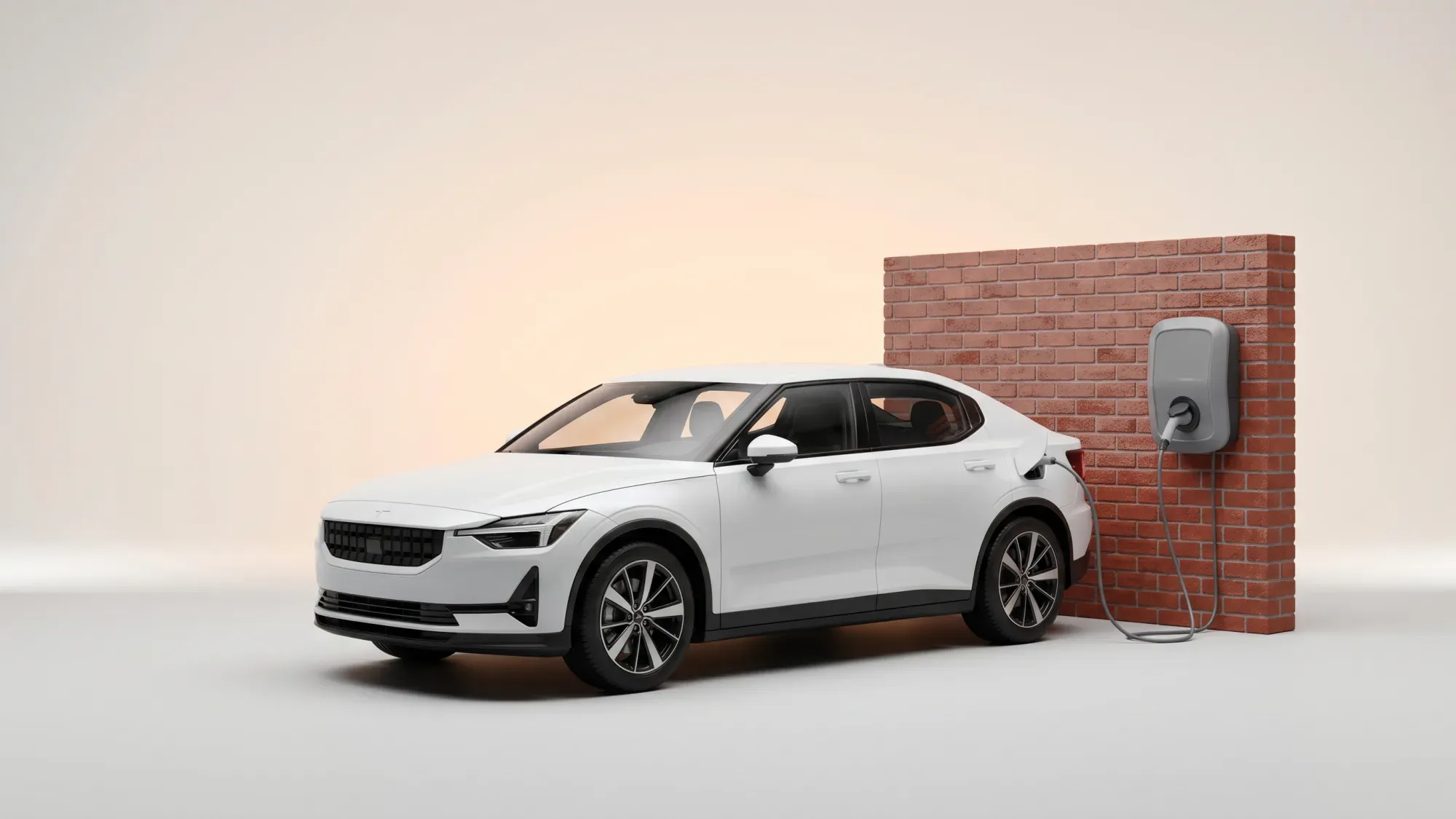
The cost of charging an electric car in the UK varies considerably, but home charging is generally the most economical option. As of 1 July 2026, the average cost of charging an electric car at home is around 26.11 pence per kilowatt-hour (kWh) under the Ofgem Price Cap. This figure can be substantially reduced by utilising off-peak electricity tariffs. Public charging networks, while convenient, typically come with higher costs, ranging from 54p/kWh for slower chargers to 77p/kWh for rapid and ultra-rapid options, according to Zapmap data from August 2026.
Understanding these varied costs and the factors that influence them is crucial for EV owners and prospective buyers to manage their expenses effectively. The total cost of charging an EV is influenced by its battery capacity, energy efficiency, and how much the car is driven annually.
Understanding the cost of charging your electric car is key to making the most of your EV. Fuse Energy helps you manage your home energy for EV charging, providing tools and insights to reduce costs. Click here to see how Fuse can help you take control of your EV charging bills.
Enter your address to get a quote and see how much you could save
Understanding electric car charging costs
The expense of running an electric vehicle in the UK is not uniform; it fluctuates based on where and when you charge, and the specific electricity tariff you use. For many, the appeal of an EV lies in its lower running costs compared to petrol or diesel cars, but optimising these costs requires a clear understanding of the charging landscape.
Key factors influencing EV charging expenses
Several factors directly impact how much you will spend to keep your electric car powered:
- Battery capacity (kWh): This is the size of your car's "fuel tank". Most electric vehicles in the UK range from 20 kWh to over 100 kWh, with 40-60 kWh being very common for many drivers. A larger battery means more energy is needed for a full charge, increasing the cost.
- Energy efficiency (miles/kWh): Just like a petrol car's miles per gallon, an EV's efficiency dictates how many miles it can travel per kWh. More efficient EVs will cost less to run over the same distance.
- Annual mileage: The more you drive, the more you will charge, and thus the higher your overall annual charging expenditure will be.
Home charging vs public charging: a cost overview
Home charging almost always offers the most economical way to power an EV. This is primarily due to lower domestic electricity rates compared to public charging networks, which often include additional operating costs and profit margins. Public charging, while essential for longer journeys or for those without home charging options, can sometimes rival or even exceed the cost of refuelling a petrol or diesel car.
Home charging: the most cost-effective option
For the majority of EV owners, home charging is the cornerstone of affordable electric motoring. It offers convenience and, crucially, the lowest per-unit electricity costs.
Calculating your home charging costs
The average cost of charging an electric car at home in the UK is around 26.11 pence per kilowatt-hour (kWh) under the Ofgem Price Cap from 1 July 2026. To calculate the cost of a full charge, you multiply your car's battery capacity by this rate. For instance, charging a 60 kWh battery from empty to full at this rate would cost approximately £15.67 (60 kWh x £0.2611/kWh).
Leveraging off-peak tariffs and smart charging
The real savings in home charging come from utilising dual-rate variable tariffs1 with off-peak electricity rates. Many energy suppliers offer these tariffs with significantly lower rates during off-peak hours, typically overnight. These rates can be as low as 7p/kWh. Charging a 60 kWh battery at this illustrative rate could bring the cost down to around £4.20 (60 kWh x £0.07/kWh), a substantial saving compared to standard rates.
Smart charging technology, often integrated with home charge points and energy apps, allows you to automatically schedule charging sessions to coincide with these cheaper off-peak windows, ensuring you always charge at the lowest possible cost.
EV charger installation costs and grants
Installing a dedicated home EV charger, often called a wallbox, is highly recommended for safety and faster charging speeds compared to a standard three-pin plug. Fuse Energy offers installation of the Easee One EV charger, which starts from £899 including standard installation.
OZEV (Office for Zero Emission Vehicles) grants are available to help with the cost of EV chargepoint installation, but eligibility criteria have changed significantly. The previous Electric Vehicle Homecharge Scheme (EVHS) for owner-occupiers in houses with private off-street parking is no longer available. Grants are now targeted at specific demographics and property types:
- EV chargepoint grant for renters and flat owners: If you rent your home or own a flat, you could qualify for up to £500 towards the cost of installing a chargepoint, provided you have private off-street parking. This grant is extended until 31 March 2027.
- EV chargepoint grant for households with on-street parking: If you only have on-street parking, a grant of up to £500 is available for installing a chargepoint alongside a cross-pavement solution (e.g., a charging gully). This grant is also available until 31 March 2027.
It is important to note that for domestic OZEV grants, the customer applies for the grant themselves, and the installer does not apply on their behalf. You can find more details on eligibility and how to apply on the government's website. For those considering an EV charger, understanding the installation process is key, and you can learn more about EV charger installation here.
Public charging: fast, rapid, and on-street costs
While home charging is ideal, public charging is often a necessity for longer journeys or for those without access to private off-street parking. However, it comes at a premium.
Fast chargers: convenience at a higher price
Fast chargers (typically 8-49 kW) are commonly found at destinations like supermarkets, gyms, and hotels, as well as on residential streets. They are suitable for longer stops where you need to top up your battery over a few hours. The weighted average pay-as-you-go (PAYG) price for these chargers in August 2026 was 54p/kWh.
Rapid and ultra-rapid charging: when speed matters
Rapid (50-149 kW) and ultra-rapid (150 kW+) chargers are designed for quick top-ups during longer journeys, such as at motorway service stations or dedicated charging hubs. These are the most expensive public charging options. In August 2026, the weighted average PAYG price for rapid and ultra-rapid chargers was 77p/kWh. Prices can vary significantly between networks, ranging from around 59p to 92p per kWh. For example, InstaVolt can charge up to 92p/kWh, while some Tesla Superchargers offer lower rates, around 63p/kWh, to non-Tesla drivers.
Subscription models vs pay-as-you-go
Many public charging networks offer subscription models that can reduce the per-kWh cost compared to pay-as-you-go rates. These subscriptions typically involve a monthly fee in exchange for discounted charging rates. For frequent public charger users, a subscription can lead to considerable savings. Some networks, like Tesla Superchargers, offer lower rates to their own brand vehicle owners, with slightly higher rates for other EV drivers.
Real-world examples: charging different EV models
The actual cost to charge an EV depends heavily on its battery size and efficiency. Here are some illustrative examples based on the average home charging rate of 26.11p/kWh and a public rapid charging rate of 77p/kWh.
Small EVs: lower capacity, quicker charges
Small EVs, like a Nissan Leaf (typically 40 kWh battery), are ideal for city driving and shorter commutes.
- Home charge (0-100%): 40 kWh x £0.2611/kWh = £10.44
- Public rapid charge (0-100%): 40 kWh x £0.77/kWh = £30.80
- Off-peak home charge (e.g., 7p/kWh): 40 kWh x £0.07/kWh = £2.80
Mid-range EVs: balancing cost and range
Mid-range EVs, such as a Tesla Model 3 Standard Range (around 60 kWh usable battery), offer a good balance of range and affordability.
- Home charge (0-100%): 60 kWh x £0.2611/kWh = £15.67
- Public rapid charge (0-100%): 60 kWh x £0.77/kWh = £46.20
- Off-peak home charge (e.g., 7p/kWh): 60 kWh x £0.07/kWh = £4.20
Long-range EVs: higher capacity, higher costs
Long-range EVs, like a Mercedes EQS (around 100 kWh battery), provide extensive range but come with higher charging costs due to their larger battery capacity.
- Home charge (0-100%): 100 kWh x £0.2611/kWh = £26.11
- Public rapid charge (0-100%): 100 kWh x £0.77/kWh = £77.00
- Off-peak home charge (e.g., 7p/kWh): 100 kWh x £0.07/kWh = £7.00
Strategies to reduce your EV charging bill
Managing your EV charging costs effectively involves a combination of smart habits and utilising available technology.
Monitoring your energy usage with smart tools
Understanding your energy consumption is the first step to reducing it. Smart meters provide real-time data on your electricity usage, which can be accessed through energy supplier apps. This transparency allows you to see exactly how much energy your EV is consuming and when, empowering you to make informed decisions about your charging habits. You can also learn more about smart meter installation and how it can benefit you.
Optimising charging schedules
The most impactful strategy for reducing costs is to charge your EV during off-peak hours when electricity is cheapest. This often means scheduling charging overnight. Many home charge points and EV apps allow you to set charging schedules, ensuring your car is topped up when rates are at their lowest.
Choosing the right public network
When public charging is necessary, comparing pricing structures across different networks is crucial. Some networks are consistently cheaper than others, and some offer subscription benefits. Apps like Zapmap can help you locate chargers and compare prices in real-time, allowing you to choose the most cost-effective option for your journey. Understanding the energy price cap explained can also help you make informed decisions about your energy costs.
Fuse Energy empowers EV owners to take control of their energy spend by providing tools and insights to significantly reduce home charging costs through smart energy management. We are committed to making energy transparent and abundant, providing the capability to see and control home energy consumption, including charging. By challenging the perception of high EV running costs, Fuse demonstrates how smart energy management can lead to significant savings for home charging, especially when optimising charging times with dual-rate variable tariffs.
Navigating the complexities of EV charging options and tariffs can be daunting. Fuse Energy offers 24/7 human customer support, providing peace of mind and expert assistance for all your energy needs. This commitment ensures you have the support required to confidently manage your EV charging and home energy. Click here to switch to Fuse Energy today.
References
- Sunsave. The 11 best EV tariffs [UK, 2026]
Disclaimer
For the avoidance of doubt, this article is provided for informational purposes only and is not intended to constitute legal or financial advice. The author and/or Fuse Energy shall not be responsible for any losses arising out of any reliance on the information contained herein.