How much energy do solar panels produce daily? Around 9-11 kWh
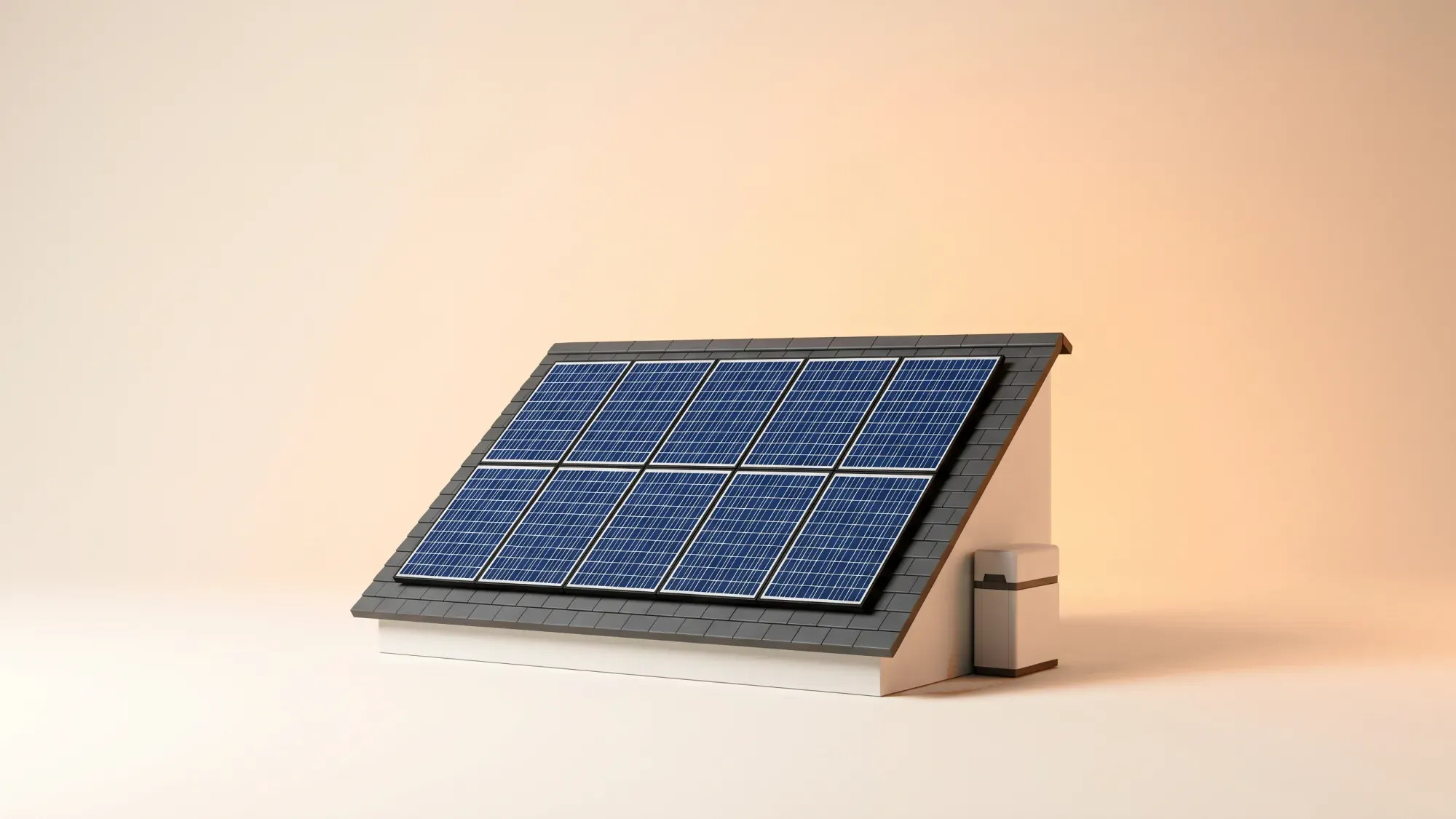
Solar panels in the UK can produce an average of 9-11 kWh per day for a typical 4kW system, significantly offsetting a home's electricity needs. This daily output, however, is far from constant, fluctuating dramatically with the seasons and other environmental factors. Understanding these variations is crucial for any UK homeowner considering solar energy.
Understanding daily solar panel output
Generating electricity from sunlight means harnessing a variable resource. Your solar panels convert sunlight into usable electricity, measured in kilowatt-hours (kWh).
What is kilowatt-hour (kWh)?
A kilowatt-hour (kWh) is the standard unit for measuring electricity consumption and generation. It represents the amount of electrical energy consumed or produced when a 1-kilowatt (kW) device operates for one hour. Your energy bills are calculated based on the number of kWh you consume.
Why daily output matters for homeowners
For homeowners, daily solar panel output directly impacts how much electricity they can generate, how much they need to import from the grid, and how much surplus they might have to export. Knowing your system's potential daily generation helps in sizing your system correctly and managing your energy use effectively. A typical UK home uses around 2,500 kWh of electricity per year, which is roughly 6.8 kWh per day1, meaning a well-performing solar system can cover a significant portion of this demand.
Key factors influencing solar panel generation
Several critical factors determine how much electricity your solar panels generate on any given day.
Sunlight hours and intensity
The intensity and duration of sunlight are paramount. Solar panels produce more electricity on bright, sunny days than on overcast ones. The UK's geographical location means sunlight intensity varies significantly throughout the year, impacting overall output. Southern regions of the UK generally enjoy more sunlight hours and higher annual generation than the North.
Panel efficiency and degradation
Solar panel efficiency, typically ranging from 15% to over 25%, indicates how much of the sunlight hitting the panel is converted into electricity. Higher efficiency panels generate more power per square metre, which is particularly useful for roofs with limited space. Panels also degrade slowly, typically losing 0.5-0.8% efficiency per year, a factor to consider for long-term performance.
System size and orientation
Naturally, a larger solar array with more panels will generally produce more electricity. Most modern home panels in the UK are rated between 350W and 430W. A south-facing roof at a 30-40° pitch is considered ideal for maximising output in the UK. East or west-facing roofs will see reduced output, while North-facing roofs are generally not recommended.
Weather and shading
Solar panels generate electricity even on cloudy days, but output is naturally lower than in full sun. Even partial shading from trees, chimneys, or neighbouring buildings can significantly reduce efficiency. Modern systems often use optimisers or microinverters to mitigate these losses, but an unshaded location always yields the best results.
Typical solar panel output in the UK
UK homeowners can expect a variable but significant contribution from their solar panels.
Average daily kWh for common systems
A typical 4kW solar panel system in the UK can produce approximately 3,400 to 4,200 kWh annually, averaging 9-11 kWh per day. This can cover a substantial portion of an average household's daily electricity needs. Some sources suggest a 4.6kWp system might produce around 11 kWh per day on average.
Regional variations across Great Britain
Solar panel output varies across Great Britain. For instance, a 4kW system in southern England might generate between 3,800-4,200 kWh per year, while a similar system in Scotland could produce 2,600-3,600 kWh per year. This highlights that southern areas generally see higher yields than northern parts of the UK.
Seasonal variations: summer vs winter production
The UK's distinct seasons lead to significant fluctuations in solar energy generation.
How output changes throughout the year
Daily solar output varies dramatically between seasons. A 4kW system in the UK might produce 14-18 kWh per day in summer (June-August), but only 1-5 kWh per day in winter (November-February). Spring and autumn typically fall in between, with daily outputs of 9-14 kWh. Around 65-75% of annual output occurs between April and September.
Impact on energy consumption and export
This seasonal pattern means homeowners will generate significantly more electricity when demand for heating is lower. In summer, you're likely to produce a surplus, while in winter, you may still need to import more from the grid. Understanding this helps in planning for energy storage or export. Efficient energy management, including understanding the air source heat pump running cost, can further help balance your home's energy needs throughout the year.
Maximising the value of your solar energy
Optimising how you use and manage your solar-generated electricity can significantly increase its financial benefits.
Self-consumption and battery storage
To maximise the value of your solar energy, it is best to use the electricity as it is generated. This is known as self-consumption. Integrating battery storage allows you to store surplus electricity generated during the day and use it during the evening or on cloudy days, reducing your reliance on grid electricity. This approach can also improve the overall air source heat pump efficiency by providing a stable, self-generated power source.
The Smart Export Guarantee (SEG)
The Smart Export Guarantee (SEG) is a UK government-backed scheme that requires larger energy suppliers to pay small-scale low-carbon generators for the electricity they export to the grid. This means you can earn money for any surplus electricity your panels generate that you do not use or store. To be eligible, your installation must be Microgeneration Certification Scheme (MCS) certified, and you will need a smart meter capable of providing half-hourly export readings.
What is the SEG?
The SEG is a UK government scheme launched in 2020 that requires energy suppliers to pay homeowners for surplus renewable electricity exported to the National Grid. It replaced the Feed-in Tariff (FiT) scheme and incentivises small-scale generators, like those with solar panels, to contribute to the grid. To qualify, systems must be MCS certified and have a smart meter.
Smart tariffs and energy management
Smart tariffs, particularly those designed for solar homeowners, can further enhance the financial benefits. These tariffs often offer better rates for electricity exported during peak demand times or cheaper rates for importing electricity during off-peak hours. Fuse Energy helps solar homeowners realise a future where energy is abundant and manageable by providing tools to optimise their generated power. We enable homeowners to get more from their solar panels by offering smart tariffs and export mechanisms that turn surplus generation into tangible value. Our app and smart tariffs give solar homeowners the capability to control and optimise their energy usage and export, making their solar investment work harder.
References
Disclaimer
For the avoidance of doubt, this article is provided for informational purposes only and is not intended to constitute legal or financial advice. The author and/or Fuse Energy shall not be responsible for any losses arising out of any reliance on the information contained herein.