Heat pump technology: how they work
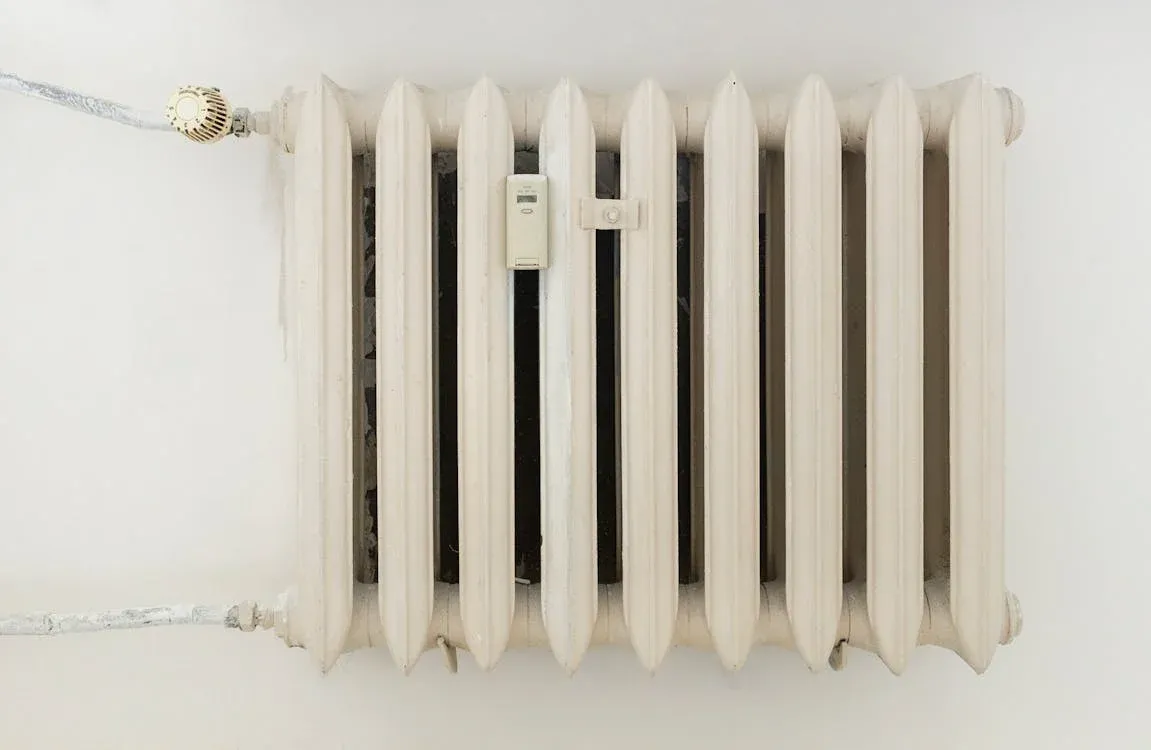
Heat pumps move heat from one place to another, rather than generating it, making them a highly efficient way to warm your home. This technology uses a refrigeration cycle, similar to a refrigerator, to absorb thermal energy from a source like the air or ground and transfer it into your building. Modern heat pumps can effectively provide heating for homes even during cold winter months, extracting heat from ambient air temperatures as low as -15°C or lower.
The basic principle of heat pumps
Moving heat, not making it
Unlike traditional boilers that burn fuel to generate heat, a heat pump simply moves existing thermal energy. This fundamental difference is why they are so efficient. Whether it is warmth from the outside air, the ground, or even water, a heat pump acts as a heat transporter, extracting this energy and transferring it indoors to warm your home and provide hot water. Even when outdoor temperatures feel cold, there is still enough heat energy present for the heat pump to absorb.
The refrigeration cycle explained
The core of a heat pump's operation lies in a closed-loop refrigeration cycle, involving four main components: the evaporator, compressor, condenser, and expansion valve. This cycle is essentially the same process used in refrigerators and air conditioners, but often in reverse for heating.
- Evaporator: A liquid refrigerant with a very low boiling point absorbs heat from the external source (air, ground, or water), causing it to evaporate into a gas.
- Compressor: The gaseous refrigerant is then compressed, which significantly increases its temperature and pressure.
- Condenser: The hot, high-pressure gas flows into a heat exchanger inside your home. Here, it releases its heat to your home's heating system (e.g., radiators or underfloor heating), condensing back into a liquid.
- Expansion valve: The liquid refrigerant then passes through an expansion valve, which reduces its pressure and temperature, preparing it to absorb heat again in the evaporator and complete the cycle.
Key components of a heat pump system
Beyond the core refrigeration cycle components, a complete heat pump system includes:
- Outdoor unit: For air source heat pumps, this houses the evaporator coil and fan, responsible for extracting heat from the ambient air.
- Indoor unit: This contains the condenser coil and facilitates the transfer of heat to your home's heating and hot water systems.
- Refrigerant: The working fluid that circulates through the system, absorbing and releasing heat.
- Circulation pumps/fans: These move the heated water or air around your home.
Types of heat pumps
Heat pumps are categorised by their heat source. Each type has different installation requirements and efficiencies.
Air source heat pumps
Air source heat pumps (ASHPs) are the most common type installed in the UK. They extract heat from the outside air, even when temperatures are low, and use it to heat your home and water. ASHPs are generally easier and cheaper to install than ground source systems, making them suitable for many homes.
Ground source heat pumps
Ground source heat pumps (GSHPs) absorb heat from the ground through a network of buried pipes. The ground maintains a more consistent temperature than the air, leading to higher and more stable efficiency for GSHPs. However, they require significant outdoor space for excavation and are typically more expensive to install.
Other heat pump types
While less common for residential use in the UK, other types include:
- Water source heat pumps: These extract heat from nearby water bodies like rivers or lakes.
- Hybrid heat pumps: These combine a heat pump (often air source) with a traditional boiler, switching between the two systems for optimal efficiency depending on conditions.
Understanding heat pump efficiency
The efficiency of a heat pump is a key factor in its running costs and environmental impact.
Coefficient of performance (COP) and Seasonal performance factor (SPF)
- Coefficient of performance (COP): This measures a heat pump's efficiency at a specific moment or operating condition. It's the ratio of useful heat energy produced to the electrical energy consumed. For example, a COP of 3.0 means the heat pump produces three units of heat for every one unit of electricity it uses.
- Seasonal performance factor (SPF): SPF provides a more realistic measure of efficiency over an entire heating season. It accounts for fluctuating outdoor temperatures and how they affect the heat pump's performance throughout the year. In Europe, the term SCOP (Seasonal Coefficient of Performance) is also used, which is similar to SPF.
What is the difference between COP and SPF?
COP measures a heat pump's efficiency at a single, specific temperature, useful for technical comparisons. SPF, or SPF, provides a more accurate picture by measuring the heat pump's average efficiency across an entire heating or cooling season, accounting for real-world temperature fluctuations.
Factors affecting efficiency
Several factors influence a heat pump's efficiency:
- Outdoor temperature: While heat pumps work in cold weather, their COP can decrease as outdoor temperatures drop, as they need to work harder to extract heat.
- Insulation: A well-insulated home retains heat better, reducing the demand on the heat pump and improving its overall efficiency.
- System design and installation: Proper sizing and professional installation are crucial for optimal performance. An undersized or poorly installed system will struggle to heat your home efficiently.
- Flow temperature: Heat pumps are most efficient when operating at lower flow temperatures, typically suited for underfloor heating or larger radiators.
Heat pumps in UK winters
A common concern for UK homeowners is whether heat pumps can effectively heat homes during cold British winters. The answer is yes.
How heat pumps perform in cold weather
Modern heat pumps are designed to operate efficiently even when temperatures fall below freezing. They can extract heat from ambient air temperatures as low as -15°C or lower. Air source heat pumps can achieve efficiencies of 300% or more, meaning they produce around 3 kWh or more of heat for every 1 kWh of electricity used, by moving existing heat rather than burning fuel. UK trials have shown that heat pumps maintain high efficiency even on the coldest days, with many models still achieving a COP of 1.8-2.2 at -15°C, which is more than enough for UK winters. Countries with much colder winters, like Norway and Sweden, have high heat pump adoption rates, demonstrating their capability in harsh conditions.
Maintaining comfort in lower temperatures
Heat pumps are designed to run steadily for longer periods, maintaining a consistent indoor temperature rather than providing short bursts of high heat like traditional boilers. This steady operation is key to comfortable winter performance. While efficiency can reduce slightly in extreme cold, heat pumps still offer a better energy return than most boilers. Some systems include a small backup heater for very extreme conditions, but this is rarely used in most UK winters.
Is a heat pump right for your home?
Deciding if a heat pump is suitable for your home involves considering several factors related to your property and available support.
Key considerations for installation
- Insulation: Good home insulation is paramount for a heat pump to operate efficiently and keep your home warm.
- Space: Air source heat pumps require an outdoor unit, similar in size to two wheelie bins. Ground source systems need significant land for buried pipes. Indicative installation costs for air source heat pumps in the UK typically range from £7,000 to £15,000 before grants.
- Heating system: Heat pumps work well with underfloor heating and larger radiators, which are designed for lower flow temperatures. Existing radiators might need upgrading.
- Noise: Heat pumps produce some noise, similar to a fridge or air conditioning unit. Placement needs to consider proximity to neighbours.
- Planning permission: For most properties, heat pump installation is considered permitted development, meaning planning permission is not usually required. However, specific rules apply depending on the type of heat pump, your property's location, and local regulations, including conditions related to noise limits, volume, and placement.
Government support and incentives
The UK government offers schemes to help homeowners with the cost of installing a heat pump.
- Boiler Upgrade Scheme (BUS): This scheme provides grants for homeowners in England and Wales to install low carbon heating systems, including air source and ground source heat pumps.1 You can get £7,500 off the cost and installation of an air source or ground source heat pump. For eligible off-gas grid properties, a higher grant of £9,000 is available until 31 March 2027. The MCS-certified installer typically handles the application process for the BUS on the homeowner's behalf.
References
- UK Government. Apply for the Boiler Upgrade Scheme
Disclaimer
For the avoidance of doubt, this article is provided for informational purposes only and is not intended to constitute legal or financial advice. The author and/or Fuse Energy shall not be responsible for any losses arising out of any reliance on the information contained herein.