Heating not working: troubleshooting your system
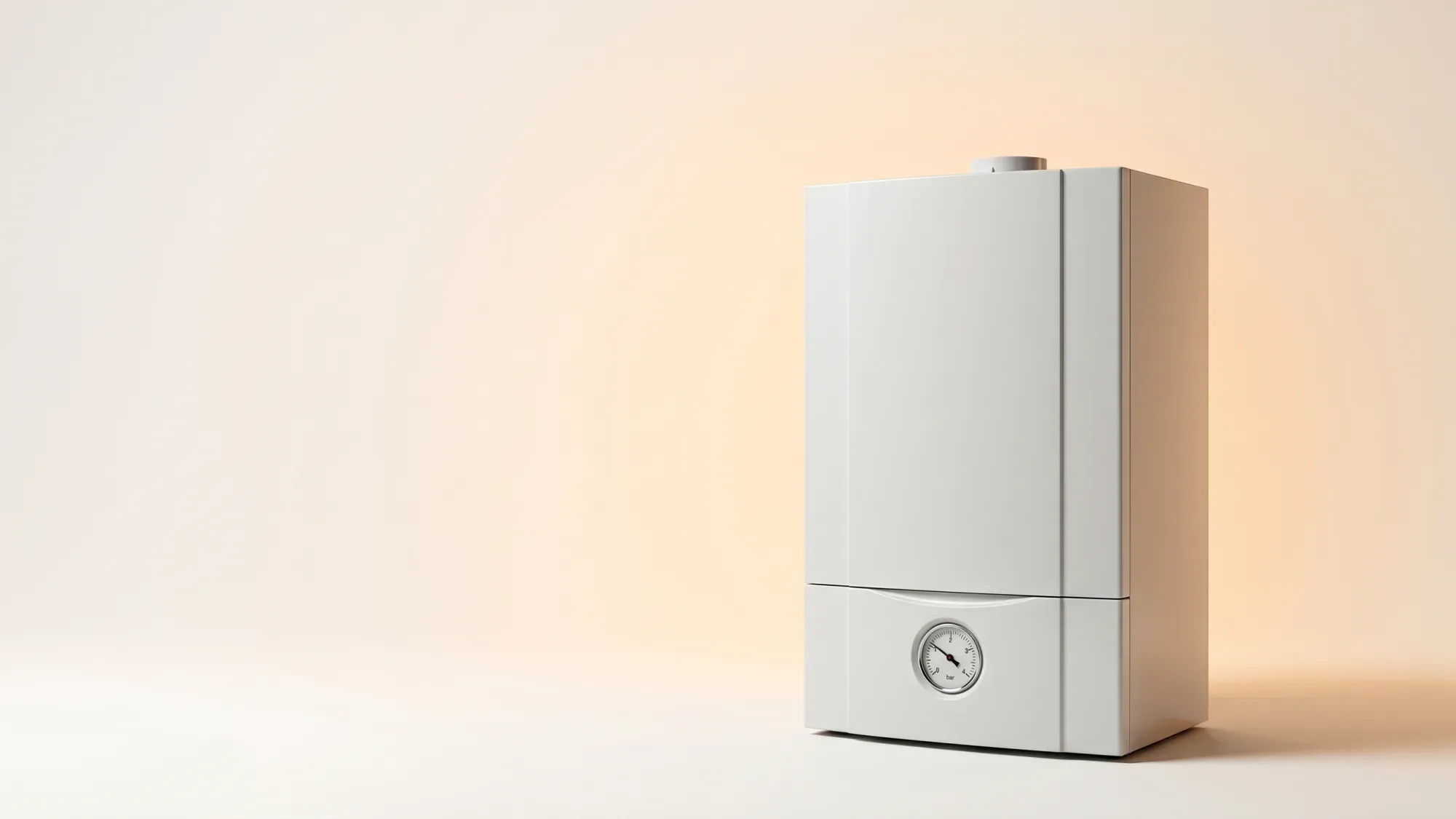
When your heating unexpectedly stops working, it can quickly turn a comfortable home into a chilly, stressful environment. The good news is that many common heating problems can be diagnosed and even resolved with some simple checks, potentially saving you the cost and wait for a professional. This guide will walk you through essential safety steps, common culprits, and troubleshooting tips to help you get your heating back on, or determine when it's time to call in an expert.
When your heating isn't working, understanding your energy usage can help. Fuse Energy provides clear insights into your home's energy consumption, helping you manage your bills and identify potential issues. Click here to switch to Fuse Energy today.
Enter your address to get a quote and see how much you could save
Safety first: immediate checks for your heating system
Before you start troubleshooting, your immediate priority must be safety. Certain issues, like gas leaks or carbon monoxide, pose serious health risks and require immediate professional intervention.
Checking for gas leaks
If you smell gas, or detect a rotten egg-like odour, act immediately. Turn off your gas supply at the mains, open windows and doors, and evacuate your property. Do not use any electrical switches or appliances, and do not try to locate the leak yourself. Once safe, call the National Gas Emergency Service on 0800 111 999.
Carbon monoxide alarms
Carbon monoxide (CO) is a silent killer - it's a colourless, odourless, and tasteless gas produced by the incomplete burning of fuels. A carbon monoxide (CO) alarm should be installed in any room containing a fixed combustion appliance, such as a boiler or gas fire, and is legally required in rented properties in the UK. If your CO alarm sounds, ventilate the property immediately and seek fresh air. Do not re-enter until a qualified professional has deemed it safe.
Emergency contacts
Keep a list of emergency contact numbers handy. For gas leaks or the smell of gas, immediately call the National Gas Emergency Service on 0800 111 999. For power cuts, contact your Distribution Network Operator (DNO) by dialling 105 - this free national helpline connects you to the company responsible for the electricity network in your area, not your energy supplier. For issues specific to your meter or energy supply, you should contact your energy supplier.
Common reasons your heating isn't working
Many heating problems stem from easily identifiable issues. Understanding these can help you quickly pinpoint the cause.
Thermostat issues
Your thermostat is the brain of your heating system. If it's set too low, switched off, or has flat batteries (for wireless models), your boiler won't receive the signal to fire up. Incorrect timer or programmer settings can also prevent heating from coming on when you expect it.
Boiler pressure problems
Low boiler pressure is a frequent cause of central heating failure. Your boiler needs adequate pressure to circulate hot water through your radiators. If the pressure gauge on your boiler drops below 1 bar, it's likely too low. This can happen after bleeding radiators or due to minor leaks in the system.
Pilot light failure
Older boilers, particularly those without an electronic ignition, rely on a pilot light to ignite the main burner. If this small flame goes out, your boiler won't be able to produce heat. Check your boiler's manual for instructions on how to safely relight it.
Frozen condensate pipe
In cold weather, the condensate pipe (a plastic pipe that carries waste water from your boiler outside) can freeze, causing your boiler to shut down. Boilers often display an error code when this happens.
Radiator air locks
If some of your radiators are cold at the top but warm at the bottom, you likely have trapped air in the system. This air prevents hot water from circulating effectively, leading to uneven heating or cold spots.
Step-by-step troubleshooting for no heating
Once you've ensured safety, you can begin a systematic approach to diagnosing the problem.
Check your thermostat settings
First, ensure your thermostat is set to "heating" mode, the temperature is higher than the current room temperature, and the timer or programmer is set correctly for when you want the heating to be on. If it's a wireless thermostat, check or replace the batteries.
Reset your boiler
Many modern boilers have a reset button. If your boiler isn't working, or is displaying an error code, try resetting it. Consult your boiler's manual for specific instructions, as the reset process can vary between models.
Verify your energy supply
Confirm that your property has an active energy supply. Check your fuse box or consumer unit for any tripped circuit breakers or blown fuses. If you have a prepayment meter, ensure you have sufficient credit. If other electrical appliances are working, the issue might be specific to your heating system. Homeowners often pair this with a smart meter installation to track usage.
Bleed your radiators
If your radiators are cold at the top, they may need bleeding. Turn off your heating system and allow the radiators to cool. Using a radiator key, open the valve at the top of the cold radiator and listen for a hissing sound as air escapes. Close the valve once water starts to drip out. You may need to repressurise your boiler afterwards.
Thaw a frozen condensate pipe
If you suspect a frozen condensate pipe, locate the plastic pipe (usually exiting your boiler and going outside). You can gently thaw it by pouring warm (not boiling) water over the frozen section, or by applying a hot water bottle or heat pack. Once thawed, reset your boiler.
Why is my heating not working but hot water is?
This common scenario often points to specific issues within your heating system, particularly if you have a combi boiler.
Diverter valve faults
In combi boilers, a diverter valve directs hot water either to your taps or to your radiators. If this valve becomes faulty or stuck, it can prioritise hot water for your taps, leaving your radiators cold. This is a common issue that typically requires a Gas Safe registered engineer to repair.
Programmer settings
Sometimes, the programmer settings can be configured to provide hot water independently of the central heating. Double-check your programmer to ensure the heating function is enabled and set to come on at the desired times.
System zoning issues
If you have a system with multiple heating zones, a fault in one zone valve or its controls could prevent heating from reaching certain areas while hot water remains unaffected.
When to call a professional for heating repairs
While many issues can be resolved with DIY troubleshooting, some problems require the expertise of a qualified professional.
Identifying boiler faults
If your boiler is displaying persistent error codes, making unusual noises, or you've tried basic troubleshooting without success, it's time to call an engineer. Never attempt to open your boiler or tamper with internal components yourself.
Gas safe registered engineers
Any work involving gas appliances, including boilers, must legally be carried out by a Gas Safe registered engineer. These engineers are trained and qualified to work safely and competently with gas. You can check an engineer's credentials on the Gas Safe Register website. Using an unregistered engineer is illegal and dangerous.
Why must I use a Gas Safe registered engineer for gas work?
It is a legal requirement in the UK for anyone working on gas appliances to be Gas Safe registered. This ensures they are qualified and competent to carry out gas work safely, protecting you and your home from potential dangers like gas leaks or carbon monoxide poisoning.
Contacting your energy supplier
Your energy supplier is responsible for the supply of gas and electricity to your home. For issues with your meter or energy supply, contact your energy supplier. Ofgem regulates energy suppliers and sets rules to protect consumers, ensuring you receive a minimum level of service. However, energy suppliers do not typically repair boiler faults.
Electrical issues
If the problem seems electrical (e.g., frequent tripping of your consumer unit when the boiler tries to start), you might need a qualified electrician. Always prioritise safety and switch off the power before inspecting electrical components.
Fuse Energy: support for your home's energy supply
Fuse Energy is here to support you with your home's energy supply, helping you navigate issues and get back to comfort. The average UK home uses around 9,500 kWh of gas per year for heating, highlighting its essential role in domestic comfort.
Checking your meter and supply status
Through the Fuse Energy app, you can easily check your meter's status and review your energy consumption. This transparency can help you quickly identify if a supply issue is contributing to your heating problems. If your smart meter is offline or you suspect a supply interruption, our app provides clear information on your meter's status and energy consumption, helping you identify if a supply issue is contributing to your heating problems. You can also learn how to read your smart meter for more detailed insights.
24/7 human customer support
For energy supply-related heating problems, Fuse Energy offers 24/7 human customer support. Our team can provide immediate assistance to help diagnose energy supply issues, distinguishing them from boiler faults that require a Gas Safe registered engineer. We aim to empower you with clear information and support, helping you quickly restore heating and avoid the stress of rationing energy.
A heating breakdown is never ideal, but by following these steps, you can safely and effectively troubleshoot many common problems. Always prioritise safety, especially when dealing with gas or electricity. For boiler-specific faults, a Gas Safe registered engineer is essential, while Fuse Energy is on hand to assist with any energy supply-related concerns.
Managing your home's energy should be simple, even when your heating isn't working as it should. Fuse Energy offers clear pricing, real-time usage data through our app, and 24/7 human customer support to help you understand and manage your energy. Switch to Fuse Energy today and experience a modern approach to home energy. Click here to get started.
Disclaimer
For the avoidance of doubt, this article is provided for informational purposes only and is not intended to constitute legal or financial advice. The author and/or Fuse Energy shall not be responsible for any losses arising out of any reliance on the information contained herein.