Optimising home heating for comfort and cost
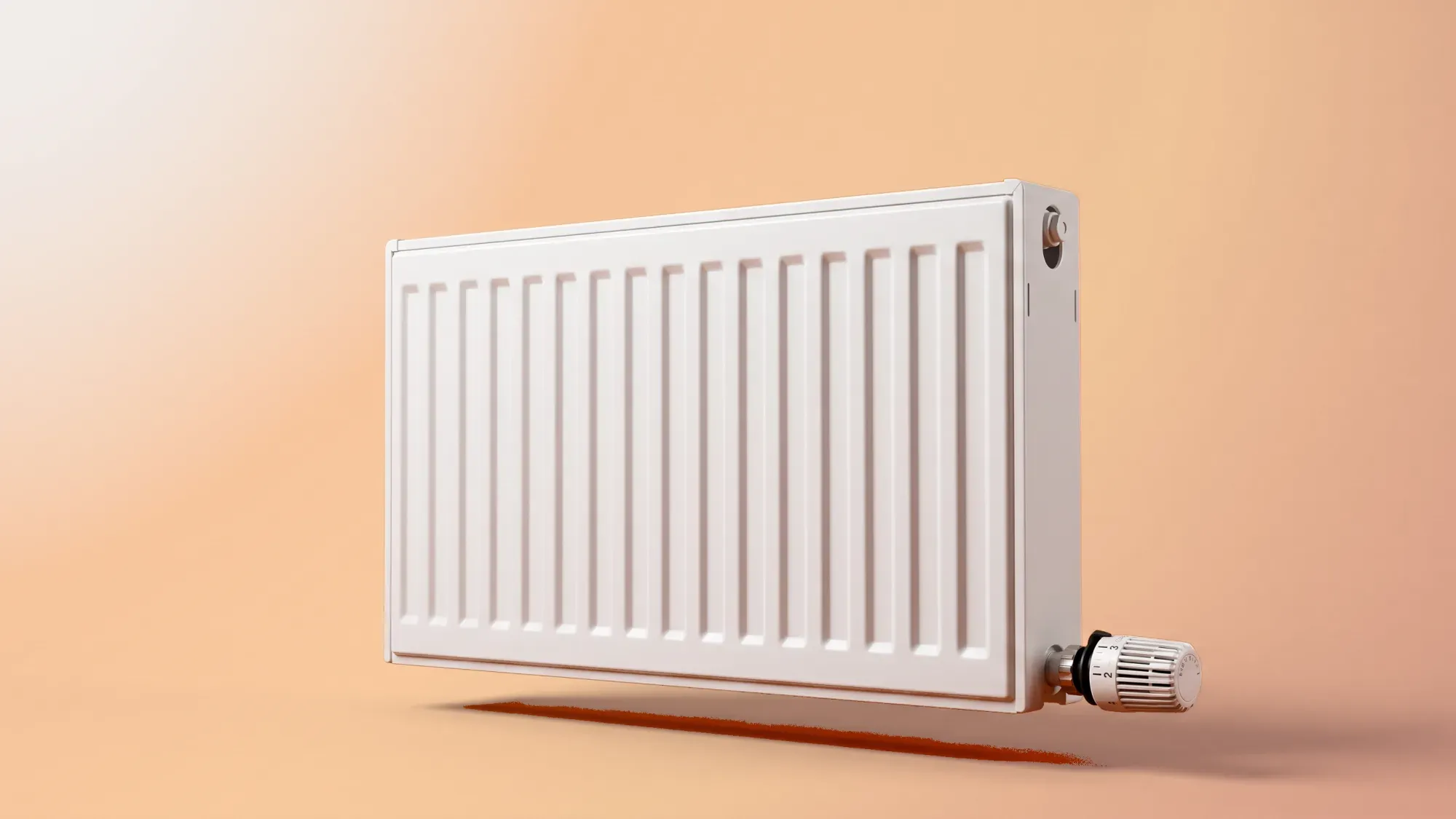
Achieving a warm and comfortable home without the constant worry of escalating energy bills is a primary concern for many UK householders. This guide explores how to effectively manage your home's heating, from understanding current systems to embracing modern technologies and making strategic upgrades, ensuring you stay warm efficiently.
To truly optimise your home heating, understanding and managing your energy use is key. Fuse Energy provides the tools and insights to take control, offering clear pricing and real-time data. Click here to switch to Fuse Energy today and start managing your heating smarter.
Enter your address to get a quote and see how much you could save
Understanding your home heating
Before optimising, it is crucial to understand your current heating setup and how your home uses energy. The UK's heating landscape is heavily reliant on traditional systems, and heat loss significantly impacts efficiency.
The UK's heating landscape
Central heating, primarily gas boilers, remains the most common heating method in UK homes. The average UK home uses around 9,500 kWh of gas per year for heating and hot water, alongside approximately 2,500 kWh of electricity annually for other needs, according to Ofgem's1 typical domestic consumption values (TDCVs) effective from 1 July 2026. This reliance on gas contributes significantly to household energy consumption and costs. The UK government has set targets for phasing out gas boilers in new homes and promoting low-carbon heating solutions, signalling a shift towards more sustainable options.
How heat loss affects efficiency
Even the most efficient heating system struggles if a home loses heat rapidly. Poor insulation in walls, lofts, and floors, as well as draughts around windows and doors, allow warmth to escape, forcing heating systems to work harder and consume more energy. Identifying and addressing these areas of heat loss is fundamental to improving overall heating efficiency and reducing energy bills.
Exploring modern heating solutions
While gas boilers have served homes for decades, modern heating solutions offer enhanced efficiency and environmental benefits. Exploring these alternatives can lead to significant long-term savings and increased comfort.
Heat pumps: air source and ground source
Heat pumps are an increasingly popular low-carbon heating solution. Air source heat pumps extract heat from the outside air, even in cold temperatures, to warm your home and hot water. Ground source heat pumps work similarly but draw heat from the ground, offering consistent performance. Both types are highly efficient, transferring several units of heat for every unit of electricity they consume. Government initiatives and grants, such as the Boiler Upgrade Scheme (BUS), are available to encourage the adoption of low-carbon heating systems like heat pumps, making them a more accessible option for many.
Electric heating: radiators and underfloor
Electric heating, including modern electric radiators and underfloor heating systems, can offer precise control and efficient warmth, especially in well-insulated homes or for specific zones. Unlike older, inefficient electric storage heaters, contemporary electric heating options can be highly responsive and integrate well with smart controls. While electricity for heating can be more expensive per unit than gas, the efficiency of these systems and the ability to heat only specific areas can make them a viable choice for some properties.
Smart boilers and controls
Even if you retain a gas boiler, upgrading to a modern, smart boiler can significantly improve efficiency. These boilers often feature advanced controls that optimise performance and integrate seamlessly with smart home systems. Smart controls allow for more precise temperature management and scheduling, adapting to your lifestyle and reducing energy waste.
Smart technology for heating control
Smart technology offers unprecedented control over your home heating, enabling you to optimise comfort and manage costs effectively.
The role of smart thermostats
Smart thermostats are a cornerstone of modern heating management. They learn your preferences, adapt to changing weather conditions, and can be controlled remotely via an app. This level of control means you can avoid heating an empty home and ensure it is warm precisely when needed. Smart thermostats can lead to significant savings on heating bills by optimising temperature control and scheduling.
Using energy management apps
Energy management apps, like the Fuse app, provide granular insights into your energy consumption. By connecting to smart meters, these apps offer real-time data on how much energy your heating system is using. This visibility empowers you to identify patterns, pinpoint areas of waste, and make informed decisions to reduce your usage without sacrificing comfort.
Optimising with time-of-use tariffs
Time-of-use tariffs offer different electricity prices at various times of the day, typically with cheaper rates during off-peak hours. Smart technology, combined with these tariffs, allows you to schedule energy-intensive tasks, such as charging a battery or pre-heating your home, when electricity is cheaper. This strategic approach can substantially cut your energy bill.
Enhancing efficiency through home upgrades
Beyond the heating system itself, broader home upgrades play a vital role in long-term heating efficiency and cost reduction.
Insulation and draught-proofing
The most fundamental step to an efficient home is robust insulation and effective draught-proofing. Upgrading loft, wall, and floor insulation prevents heat from escaping, keeping your home warmer for longer. Sealing gaps around windows, doors, and pipework eliminates cold draughts, making your heating system more effective and reducing overall energy demand.
Solar panels and battery storage
Integrating solar panels and battery storage into your home energy system can significantly reduce your reliance on grid energy for heating. Solar panels generate clean electricity, which can be used directly to power electric heating systems or stored in batteries for use during the evening or on cloudy days. This reduces your energy purchases from the grid and provides a buffer against price fluctuations.
Meter tail upgrades for future-proofing
For homes planning to install high-capacity devices like EV chargers or heat pumps, meter tail upgrades are essential. These upgrades replace the cables between your electricity meter and consumer unit with higher-capacity cables, ensuring your home's electrical infrastructure can safely handle increased demand. Fuse offers meter tail upgrades at a cost of £100, or £170 if an isolator switch is also required.
What is a meter tail upgrade?
A meter tail upgrade involves replacing the electrical cables connecting your electricity meter to your home's consumer unit with higher-capacity cables. This upgrade is crucial for homes installing high-demand appliances like electric vehicle chargers or heat pumps, ensuring the electrical system can safely manage the increased load and comply with current standards.
Practical tips for reducing heating costs
Even with an optimised system, daily habits and regular maintenance contribute significantly to managing heating costs.
Setting your thermostat effectively
Setting your thermostat just one degree lower can lead to noticeable savings without a significant impact on comfort. Aim for a comfortable temperature, typically between 18-21°C, and use programmable or smart thermostats to set different temperatures for different times of the day or when you are away from home. Avoid drastically turning your heating off and on; maintaining a consistent, lower background temperature can be more efficient than letting your home get very cold and then blasting the heating.
Regular maintenance and servicing
Regular maintenance of your heating system, especially gas boilers, is vital for efficiency and safety. An annual boiler service by a qualified engineer ensures your system runs optimally, identifies potential issues early, and prolongs its lifespan. This proactive approach prevents costly breakdowns and maintains efficiency, helping to keep your energy bills in check.
Understanding your energy bills
Your energy bill provides a detailed breakdown of your consumption and costs. Taking the time to understand the unit rates, standing charges, and how your usage translates into cost can help you identify areas for improvement. Energy management apps can simplify this by presenting your data clearly, turning complex figures into actionable insights.
Optimising your home heating for comfort and cost is an ongoing process that combines smart technology, energy-efficient upgrades, and informed daily habits. Fuse Energy empowers householders to take control of their energy use, transforming the way you manage your home's heating and ensuring you have the power to play with your energy. Our clear pricing, real-time usage data, and 24/7 human support make managing your home's energy simple. Click here to switch to Fuse Energy today. You can also learn more about our mission to make energy abundant by clicking here.
References
Disclaimer
For the avoidance of doubt, this article is provided for informational purposes only and is not intended to constitute legal or financial advice. The author and/or Fuse Energy shall not be responsible for any losses arising out of any reliance on the information contained herein.