Heat pump tariff UK: smart savings for your home
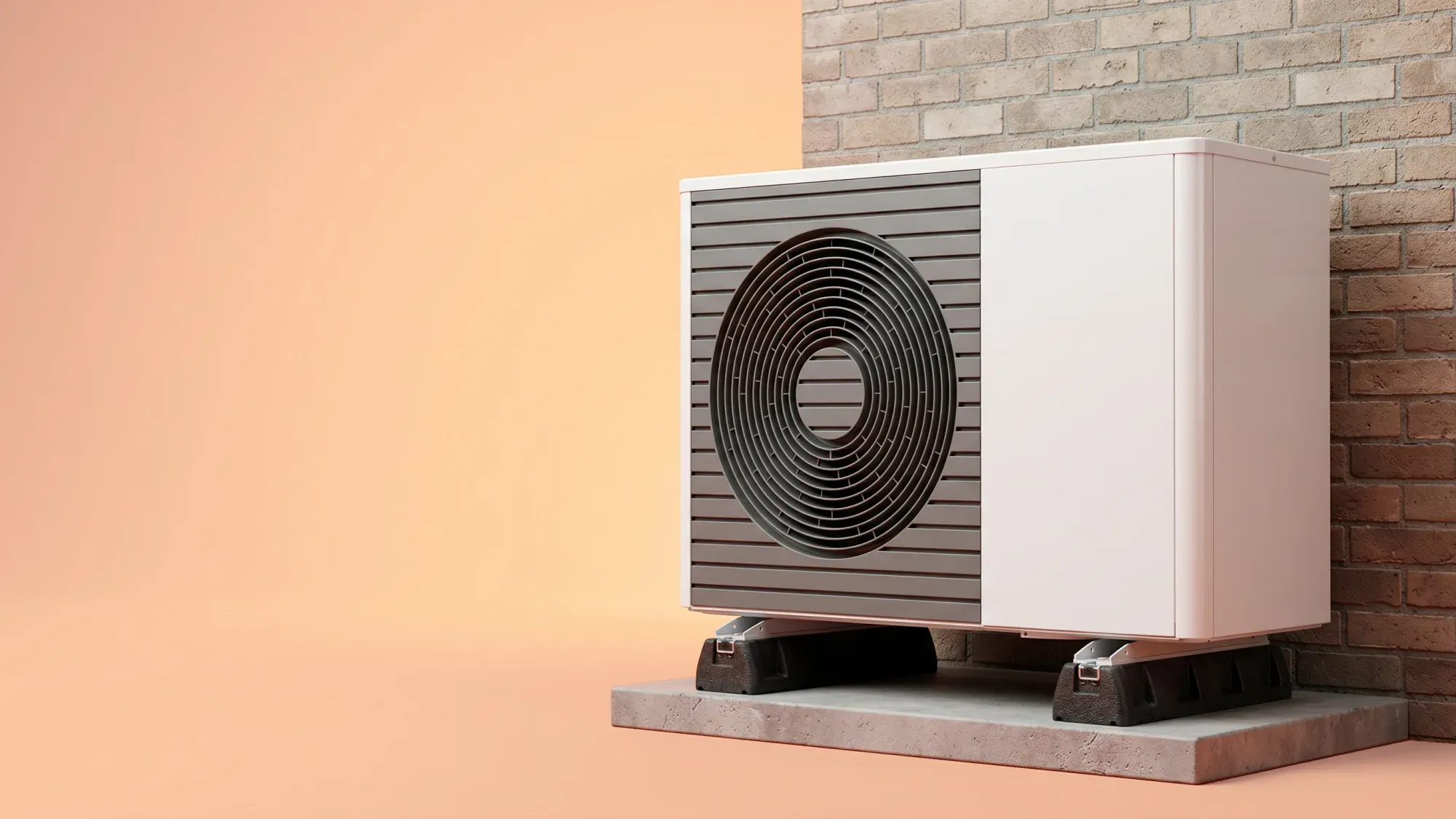
Choosing the right electricity tariff is crucial for homeowners with heat pumps, as it directly impacts running costs and overall savings. This article explains how smart tariffs and app-based control can empower heat pump owners to optimise their energy usage for both cost and environmental benefits.
Understanding heat pump tariffs
Heat pumps are highly efficient heating systems that primarily use electricity. Unlike traditional gas boilers, their running costs are almost entirely dependent on electricity prices, making the choice of tariff a significant factor in managing household budgets. Air source heat pumps, for instance, can achieve efficiencies of 300% or more, producing at least 3 kWh of heat for every 1 kWh of electricity consumed.
How heat pumps use electricity
Heat pumps operate by moving heat rather than generating it through combustion. This process makes them very efficient, but it means their energy input is electrical. The amount of electricity a heat pump uses depends on factors like the size of your home, its insulation levels, and the outside temperature. While a heat pump can be the single biggest electricity user in a home, its overall annual power consumption can be lower than traditional heating systems due to its high efficiency.
The importance of tariff choice
The tariff you choose directly impacts the running costs of your heat pump. A tariff that offers cheaper electricity during specific periods can significantly reduce your overall heating expenses, especially if you can align your heat pump's operation with these lower-cost times. Without a suitable tariff, the cost savings from a heat pump's efficiency might be less noticeable.
Types of electricity tariffs for heat pumps
To maximise the financial benefits of a heat pump, understanding different electricity tariff structures is key.
Time-of-use tariffs explained
Time-of-use (ToU) tariffs feature varying electricity rates throughout the day. These tariffs typically have lower prices during off-peak periods, when demand on the National Grid is lower, and higher prices during peak times. This structure incentivises consumers to shift high-consumption activities, such as running a heat pump, to cheaper hours.
What is a time-of-use tariff?
A time-of-use tariff is an electricity pricing structure where the cost of electricity varies depending on the time of day. It typically includes cheaper rates during off-peak hours (e.g., overnight) and higher rates during peak demand periods, encouraging consumers to adjust their energy usage.
Dual-rate variable tariffs
Dual-rate variable tariffs are a common type of time-of-use tariff. They typically divide the day into two periods: a cheaper off-peak rate and a higher peak rate. These tariffs can change quarterly in line with market conditions and the energy price cap. To access dual-rate tariffs, you generally need a smart meter or a multi-register (dual-rate) dumb meter. Fuse Energy offers modern dual-rate variable tariffs that allow homeowners to benefit from cheaper off-peak electricity through smart meter integration.
Dedicated heat pump tariffs from other suppliers
Some energy suppliers offer tariffs specifically named or marketed for heat pump owners. These tariffs are designed to provide benefits such as lower unit rates during certain hours, encouraging the use of heat pumps during off-peak periods. While these tariffs aim to make heat pump operation more affordable, their specific structures and benefits can vary between providers.
Optimising your heat pump with smart tariffs
Leveraging smart technology and tariffs can significantly enhance the cost-effectiveness of your heat pump.
Leveraging app control for efficiency
Modern energy suppliers, including Fuse Energy, offer apps that provide tools and data for homeowners to manage their energy usage. These apps allow you to monitor your heat pump's electricity consumption in real-time and understand when energy is cheapest. This capability empowers you to actively manage your heat pump, aligning its operation with lower-cost periods for greater savings.
Aligning usage with cheaper periods
The core benefit of time-of-use tariffs for heat pump owners is the ability to run the system when electricity is cheaper. By scheduling your heat pump to operate during off-peak hours, you can significantly reduce your heating bills. This might involve pre-heating your home or hot water tank during the night to take advantage of lower rates.
The role of smart meters
Smart meters, or multi-register meters, are often required for accessing time-of-use and dual-rate tariffs. They automatically send your electricity readings to your supplier, allowing for accurate billing based on different rates throughout the day. Without a compatible meter, it is difficult for suppliers to track when you are using energy, limiting access to these flexible tariffs. Smart meters also provide up-to-date information on your energy use, helping you identify opportunities for savings.
Choosing the right tariff for your home
Selecting the most suitable electricity tariff for your heat pump requires careful consideration of your household's specific needs and consumption patterns.
Assessing your heat pump's consumption
Start by understanding how much electricity your heat pump typically uses. While a heat pump's energy consumption can vary widely, a typical heat pump in a UK home might use around 5,475 kWh per year1. The average UK home uses around 2,500 kWh of electricity per year for all its needs. Knowing your heat pump's usage helps you estimate potential savings on different tariffs.
Factors beyond unit rates
When comparing tariffs, look beyond just the unit rates. Consider the daily standing charge, which is a fixed daily cost regardless of how much energy you use. Also, check the contract length and any exit fees if you decide to switch suppliers before the contract ends. A competitive off-peak rate combined with a reasonable standing charge often provides the most cost-effective solution.
Comparing available options
Compare the dual-rate variable tariffs offered by different suppliers. Focus on how their off-peak periods align with your heat pump's operational needs and your ability to shift usage. Fuse Energy's dual-rate variable tariffs are designed to be heat pump friendly, offering transparent pricing and tools to help you optimise your energy use.
The future of heat pump energy
The landscape of home heating and energy management is continually evolving, with innovations and policy changes shaping the future for heat pump owners.
Innovations in smart home energy management
Advances in smart home technology are making it easier to manage heat pump energy consumption. Integrated systems can learn your heating preferences and automatically adjust operation to align with the cheapest electricity rates. The Fuse app, for example, provides real-time data and control, enabling homeowners to optimise their heat pump's efficiency and cost savings.
Policy and market trends
Government initiatives continue to support the adoption of heat pumps. The Boiler Upgrade Scheme (BUS) offers grants of £7,500 for air source and ground source heat pumps in England and Wales, helping to reduce the upfront installation costs. For eligible off-gas grid homes replacing oil heating, an increased grant of £9,000 has been available since 21 July 2026. These grants, combined with the increasing availability of smart tariffs, are making heat pumps a more attractive and affordable option for UK homeowners.
References
Disclaimer
For the avoidance of doubt, this article is provided for informational purposes only and is not intended to constitute legal or financial advice. The author and/or Fuse Energy shall not be responsible for any losses arising out of any reliance on the information contained herein.