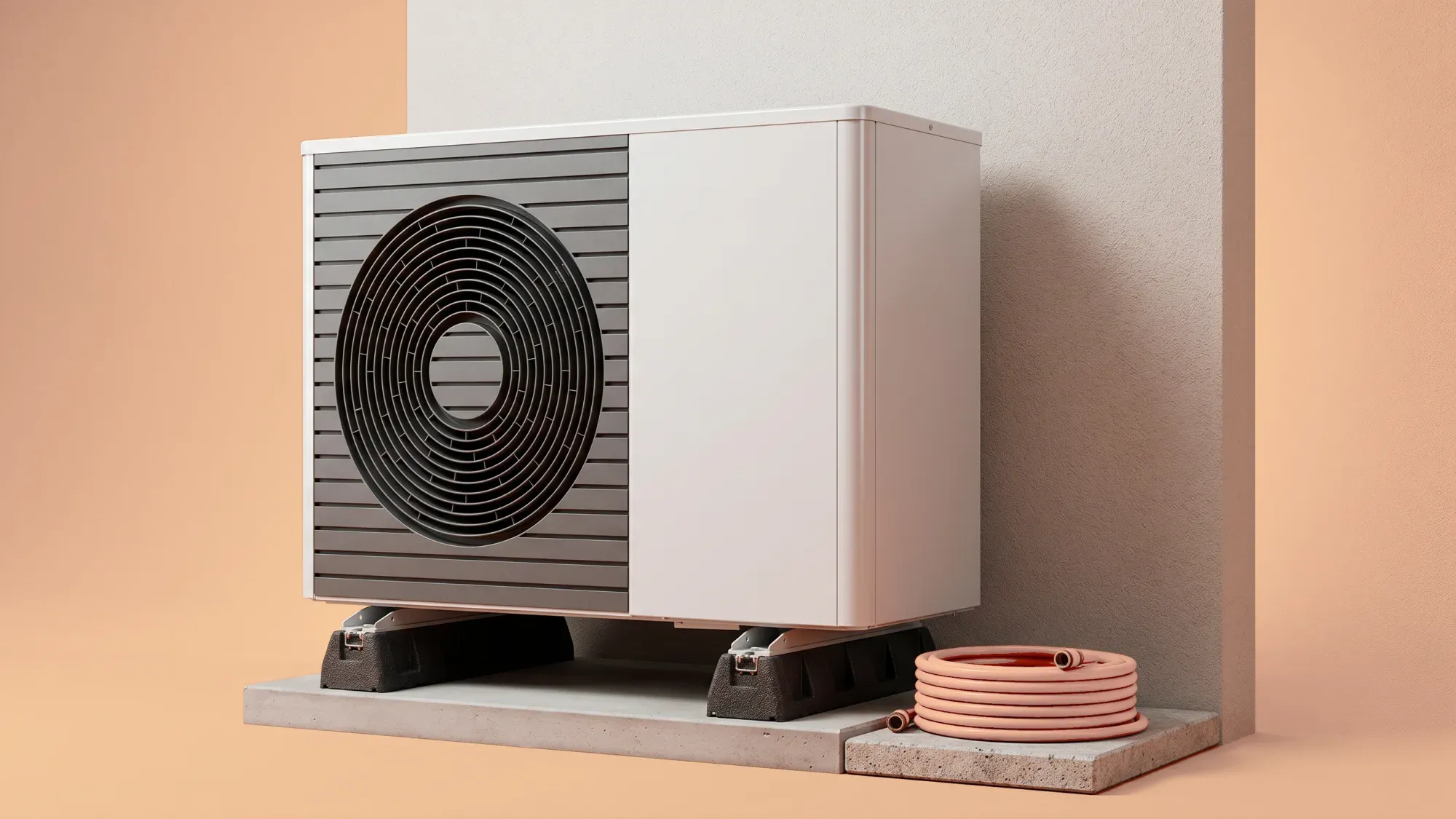
Upgrading your home heating system to a heat pump is a significant step towards a more energy-efficient and sustainable future. This guide helps homeowners navigate heat pump installation, from understanding the technology and costs to securing grants and optimising its long-term performance.
Understanding heat pumps and their benefits
How heat pumps work
Heat pumps are highly efficient systems that move heat from one place to another, rather than generating it through combustion. They operate much like a refrigerator in reverse, extracting warmth from the outside air or ground and transferring it into your home to provide heating and hot water. This process means they produce more energy than they consume, making them significantly more efficient than traditional boilers. Air source heat pumps, for example, can achieve efficiencies of 300% or more, producing around 3 kWh or more of heat for every 1 kWh of electricity used.
Why consider a heat pump for your home?
Choosing a heat pump offers several compelling advantages. Their high efficiency translates directly into lower running costs and reduced energy bills compared to conventional heating systems. Heat pumps also significantly cut your home's carbon emissions, contributing to a greener environment. They are a key component of a future energy system, providing a reliable and sustainable heating solution.
Types of heat pumps and home suitability
Air source heat pumps
Air source heat pumps (ASHPs) are the most common type of heat pump installed in the UK. They extract heat from the outside air, even in cold temperatures, and transfer it into your home's heating system. ASHPs are generally easier and less disruptive to install than ground source systems, making them suitable for a wider range of properties.
Ground source heat pumps
Ground source heat pumps (GSHPs) draw heat from the ground using a network of buried pipes. While they typically offer higher efficiency and a more consistent heat supply due to stable ground temperatures, their installation is more complex and requires significant outdoor space for the ground loops. This makes them a less common choice for many urban and suburban homes.
Other considerations
Beyond the type of heat pump, assessing your home's suitability involves factors such as insulation levels, existing radiator size, and hot water demand. A well-insulated home with appropriately sized radiators will allow a heat pump to operate most efficiently.
The heat pump installation process
Initial assessment and design
The first step in installing a heat pump is a thorough assessment of your home by a qualified professional. This involves evaluating your property's heat loss, current heating system, and hot water requirements to design a system that meets your needs. The installer will recommend the most suitable heat pump type and size, as well as any necessary upgrades to your insulation or radiators.
Choosing an MCS-certified installer
Selecting an MCS-certified installer is crucial. MCS (Microgeneration Certification Scheme) is a quality assurance scheme that certifies renewable energy technologies and installers. Choosing an MCS-certified installer ensures that your installation meets industry standards and is eligible for government grants like the Boiler Upgrade Scheme (BUS).
Installation day
Heat pump installation typically takes around 2 to 3 days. The process involves removing your old heating system (if applicable), installing the new heat pump unit, connecting it to your heating and hot water systems, and setting up the controls. Disruptions are usually kept to a minimum, and installers will aim to restore heating and hot water as quickly as possible.
Post-installation checks
Once installed, the system will be commissioned and thoroughly tested to ensure it is operating correctly and efficiently. Your installer will explain how to use your new heat pump, including its controls and maintenance requirements. They should also provide you with all necessary documentation, including warranties and a handover pack.
Heat pump installation costs and grants
Typical installation costs
The cost of installing a heat pump in the UK can vary significantly depending on the type of system, the size of your home, and any necessary upgrades. Indicative UK air source heat pump installation costs typically range from £7,000 to £15,000 before grants. This figure includes the unit, installation, and any ancillary equipment.
The Boiler Upgrade Scheme (BUS)
The UK government offers financial incentives to encourage homeowners in England and Wales to switch to low-carbon heating systems. The BUS provides grants to help with the cost of installing heat pumps. The standard BUS grant is £7,500 for air source and ground source heat pumps in England and Wales1. Households in England and Wales currently on heating oil can claim an uplifted £9,000 from the BUS to move off the oil grid, available from 21 July 2026 until 31 March 2027.
How do I apply for the BUS?
The MCS-certified installer applies for the BUS grant on the homeowner's behalf, and the grant value is deducted from the installation quote. Homeowners do not apply directly via GOV.UK; instead, they provide consent for their installer's application.
Other financial support
Beyond the BUS, you may be able to find other financial support. Some local authorities offer additional grants or schemes, and certain energy suppliers provide incentives for installing energy-efficient technologies. It is worth researching what is available in your specific area.
Maximising your heat pump's efficiency and savings
Understanding heat pump efficiency
Heat pumps are inherently efficient because they move heat rather than generate it. This efficiency, which can be 300% or more, means they use less electricity to produce the same amount of heat compared to traditional systems. To maintain this high efficiency, ensure your home is well-insulated, and consider optimising your heating system controls.
The role of smart energy tariffs
Smart energy tariffs can significantly reduce the running costs of your heat pump. These tariffs often offer cheaper electricity rates during off-peak hours, typically overnight. By programming your heat pump to run more during these periods, you can take advantage of lower prices, even storing heat in your home or hot water tank for use later.
Integrating with the Fuse app
The Fuse app provides control and insights, enabling homeowners to align heat pump usage with cheaper tariff periods for significant savings. By connecting your heat pump to a smart energy management system, you can automate its operation to maximise the benefits of smart tariffs. This approach helps you make the most of your investment, turning your heat pump into a powerful tool for energy and cost savings.
Finding the right heat pump installer
Key accreditations and certifications
When choosing an installer, always prioritise those who are MCS-certified. This accreditation ensures they meet high standards for product quality and installation. You can search the MCS database to find certified installers in your area.
Getting multiple quotes
Obtaining detailed quotes from several MCS-certified installers is essential. This allows you to compare costs, proposed systems, and warranties. Ensure each quote clearly itemises the heat pump unit, installation labour, and any additional works required.
Questions to ask potential installers
Before committing, ask potential installers about their experience, customer references, and after-sales support. Inquire about the specific heat pump models they recommend, their warranty periods, and how they handle maintenance and repairs. A reputable installer will be transparent and willing to answer all your questions.
For the avoidance of doubt, this article is provided for informational purposes only and is not intended to constitute legal or financial advice. The author and/or Fuse Energy shall not be responsible for any losses arising out of any reliance on the information contained herein.