Gas safety certificate: landlord requirements
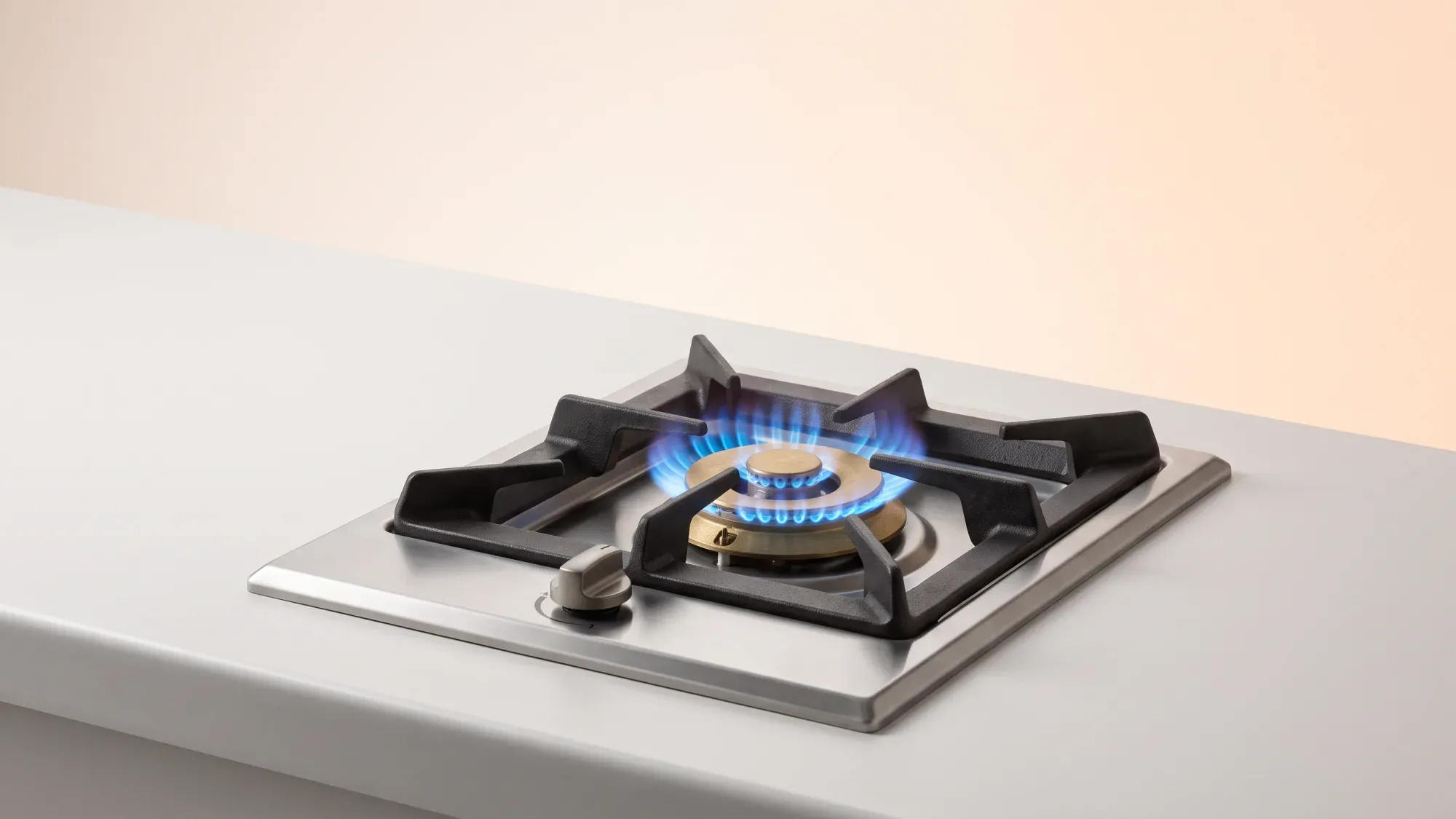
Landlords in the UK have a legal obligation to ensure gas appliances and flues in their rented properties are safe. A gas safety certificate, often referred to as a CP12 or Landlord Gas Safety Record (LGSR), is required annually for all rented properties. Only Gas Safe registered engineers are legally permitted to carry out gas safety checks and issue certificates. Non-compliance with gas safety regulations can lead to severe penalties, including unlimited fines and imprisonment.
Keeping your home safe and compliant is crucial, and understanding your energy usage can help you manage costs. Fuse Energy offers clear pricing and in-app usage data to help you stay on top of your energy bills. Click here to switch to Fuse Energy today.
Enter your address to get a quote and see how much you could save
What is a gas safety certificate (CP12)?
A gas safety certificate is an official document confirming that all gas appliances, pipework, and flues in a property have been inspected by a qualified engineer and are safe to use. This certificate verifies that the gas installations meet current safety standards, protecting occupants from potential hazards such as gas leaks, fires, explosions, and carbon monoxide poisoning.
The purpose of a gas safety certificate
The primary purpose of a gas safety certificate is to ensure the safety of tenants and the property itself. It acts as a record that a competent professional has thoroughly checked the gas system for any defects or potential dangers. Without it, you are operating a rental property that may be dangerous to its occupants, and you are committing a criminal offence.
CP12 versus landlord gas safety record (LGSR)
The term "CP12" is commonly used to refer to a gas safety certificate, originating from the form number historically used by CORGI, the predecessor to the Gas Safe Register. Today, the official document is known as a LGSR or Gas Safety Record. Both terms refer to the same legal requirement: a written record confirming that gas appliances, pipework, and flues have been inspected and found safe.
Legal obligations for landlords
Landlords in the UK have stringent legal obligations regarding gas safety in their rented properties, primarily outlined in the Gas Safety (Installation and Use) Regulations 1998.
Who needs a certificate
Any landlord in the UK who rents out a property with gas appliances, fittings, or pipework must obtain a gas safety certificate. This applies to both domestic and certain commercial premises occupied for residential purposes, including those with a gas supply or liquefied petroleum gas (LPG). If a tenant owns their gas appliance, the landlord is still responsible for the associated pipework and flues.
Annual checks and validity
Landlords must arrange an annual gas safety check on all gas appliances and flues in their rented properties. These checks must be carried out every 12 months. The certificate is valid for 12 months from the date of the inspection. Landlords can arrange the next inspection up to two months before the expiry date while preserving the original renewal anniversary date, preventing the loss of validity time. This "MOT-style" renewal system was introduced in April 2018.
Providing certificates to tenants
Landlords have a legal duty to provide tenants with a copy of the valid gas safety certificate. For existing tenants, this must be done within 28 days of the check being completed. For new tenants, a valid certificate must be provided before they move into the property. Electronic delivery is acceptable if the tenant has agreed to receive documents this way and can access them. However, a paper copy must still be provided if requested.
Record keeping
Landlords must keep records of all gas safety checks for at least two years. The Health and Safety Executive (HSE) recommends keeping records until two further gas safety checks have been carried out. Good record-keeping is crucial for demonstrating compliance, especially if a tenant disputes receiving their copy or if a local authority requests evidence.
How to obtain a gas safety certificate
Obtaining a gas safety certificate is a straightforward process, but it requires careful attention to detail to ensure compliance and safety.
Finding a gas safe registered engineer
Only engineers listed on the Gas Safe Register are legally permitted to carry out gas work in the UK. The Gas Safe Register is the official list of engineers qualified to work on gas appliances. You can find a Gas Safe registered engineer by searching your postcode or town on the official Gas Safe Register website. Always ask to see their Gas Safe ID card, which contains their unique 7-digit licence number and lists the types of gas work they are qualified to carry out.
Why is Gas Safe registration important?
Gas Safe registration is the legal standard that ensures engineers are qualified to work on gas appliances. Poorly fitted or serviced appliances can lead to serious risks like gas leaks, explosions, or carbon monoxide poisoning. Only registered engineers can legally sign off work and issue certificates, providing accountability and protecting tenants.
What the inspection involves
A Gas Safe engineer will conduct a systematic inspection of each gas appliance provided by the landlord, including boilers, gas fires, cookers, and water heaters, along with the associated pipework, flues, and ventilation. The inspection checks for gas leaks, correct pressure, clear flues, and functioning safety devices, ensuring each appliance is burning correctly and operating safely.
What to expect from the certificate
The LGSR (CP12) will detail the appliances inspected, any defects found, and the remedial action taken. It will also include the engineer's registration details. If any appliance is found to be unsafe, it will be classified as "Immediately Dangerous" (ID) or "At Risk" (AR). An ID appliance is an immediate danger to life or property and must be disconnected with the owner's permission. If permission is refused for a natural gas appliance, the Gas Emergency Service Provider may disconnect the supply. An AR appliance has faults that could become dangerous without further development; it should be turned off and not used until repaired.
Understanding gas safety certificate costs
The cost of a gas safety certificate can vary, but understanding the factors involved helps landlords budget effectively.
Factors influencing the cost
Several factors can influence the cost of a gas safety certificate. These include the property's location, with prices often higher in London and the South East. The number of gas appliances to be checked is also a significant factor; many engineers charge an additional fee per appliance beyond the first. The complexity of the gas system and the specific engineer or company chosen can also affect the final price.
Typical price ranges
For a typical residential property in the UK, the cost of a gas safety certificate usually ranges from £60 to £90. The average UK cost is often around £80. Some providers may offer certificates starting from £40 or £50, especially for a single appliance or meter only. Additional gas appliances are typically charged at around £10-£15 each.
Avoiding hidden fees
To avoid unexpected costs, it is advisable to get clear quotes from multiple Gas Safe registered engineers. Ensure the quote specifies what is included in the inspection, such as the number of appliances covered. Some engineers might offer a combined gas safety check and boiler service at a reduced rate, which can be more cost-effective.
Consequences of non-compliance
Failing to comply with gas safety regulations is a serious matter with severe legal, financial, and safety implications for landlords.
Legal penalties and fines
Non-compliance with gas safety regulations is a criminal offence under the Gas Safety (Installation and Use) Regulations 1998. Penalties can include fines of up to £6,000 per offence in a Magistrates' Court, or unlimited fines for serious cases taken to Crown Court. Imprisonment for up to six months can also be imposed for summary convictions, and up to two years for convictions on indictment. In the most serious cases, where a tenant is harmed due to unsafe gas appliances, landlords can face gross negligence manslaughter charges, carrying a maximum sentence of life imprisonment. Local authorities and the HSE enforce these regulations.
Tenant safety and liability
Operating without a valid gas safety certificate puts tenants at severe risk of gas leaks, carbon monoxide poisoning, fires, and explosions. If a gas-related incident occurs, and the landlord does not have a valid certificate, their landlord insurance policy is likely to be voided, leaving them financially exposed. Furthermore, a landlord cannot serve a valid Section 21 eviction notice if they have not provided the tenant with a copy of the gas safety certificate.
Potential future legislation: Renters' Rights act 2025
The Renters' Rights Act 2025 received Royal Assent on 27 October 2025, with principal provisions, including the abolition of Section 21 evictions, taking effect from 1 May 2026. While the Act does not change the core gas safety duties themselves (which remain under the Gas Safety (Installation and Use) Regulations 1998), it impacts enforcement. Stronger powers for councils mean that compliance with all landlord obligations, including gas safety, will be even more critical. The Act introduces civil penalties of up to £40,000 per offence for specific breaches, such as serving an invalid Section 21 notice or soliciting above-asking rent bids. Additionally, a new private rented sector database is expected to require landlords to register properties and upload compliance data, including safety certificates, with civil penalties of up to £7,000 for non-registration.
Managing your rental properties effectively includes staying compliant with safety regulations and understanding your energy usage. Fuse Energy provides transparent energy tariffs and smart tools to help you monitor your consumption, making it easier to manage your property's energy needs. Our 24/7 human support team is always available to assist you. Switch to Fuse Energy today and take control of your energy management. Find out more about our mission to make energy simpler and fairer here.
Disclaimer
For the avoidance of doubt, this article is provided for informational purposes only and is not intended to constitute legal or financial advice. The author and/or Fuse Energy shall not be responsible for any losses arising out of any reliance on the information contained herein.