Fracking in the UK explained
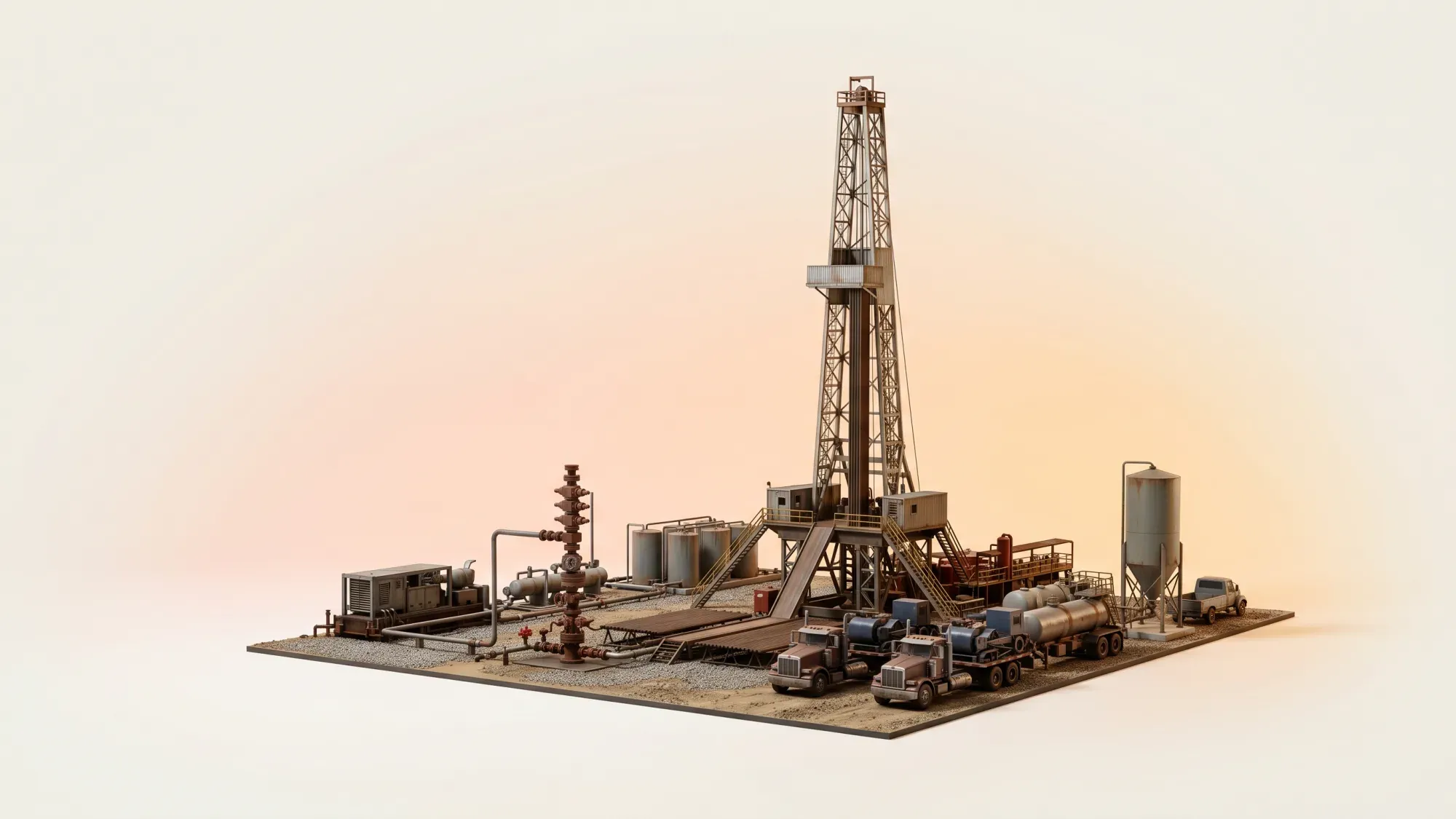
Fracking, or hydraulic fracturing, is a technique used to extract oil and natural gas from deep underground rock formations, particularly shale. It has been a contentious topic in the UK and globally due to its potential environmental impacts and economic uncertainties. While proponents often highlight its role in energy security, the UK's policy journey with fracking has been marked by moratoriums and reversals, reflecting significant public and scientific concerns. This article delves into the mechanics of fracking, its history and current status in the UK, its environmental and economic implications, and ultimately, explores the broader landscape of the UK's energy future beyond fossil fuel extraction.
The UK's energy landscape is evolving, with a growing focus on sustainable and reliable power. Understanding the various energy sources and policies, including the debate around fracking, is key to making informed decisions about your home's energy. For clear and affordable energy solutions for your household, consider switching to Fuse Energy today. Click here to get started.
Enter your address to get a quote and see how much you could save
What is fracking (hydraulic fracturing)?
Fracking, also known as hydraulic fracturing, is a well-stimulation technique used to extract oil and natural gas from deep underground rock formations, particularly shale. This process involves injecting a high-pressure mixture of water, sand, and chemicals into a wellbore to create fractures in the rock, allowing trapped hydrocarbons to flow more freely to the surface.
The process of shale gas extraction
The fracking process typically begins with vertical drilling, extending thousands of feet into the earth. Once the target shale layer is reached, the drill bit turns horizontally, creating a long underground channel called a wellbore. Small holes are then perforated in the well casing along the shale layer. A high-pressure mixture, primarily water and sand, along with a small percentage of chemicals, is pumped into the well. This immense pressure fractures the shale, releasing the oil and natural gas. The sand, known as proppant, holds these fractures open after the pressure is released, ensuring continued flow of gas and oil. The released oil, gas, and some of the fluid then flow back to the surface for collection and processing.
What is the primary purpose of fracking?
The primary purpose of fracking is to stimulate oil and natural gas production from dense rock formations, such as shale, that cannot be accessed through traditional drilling methods. It involves creating fractures in the rock to allow trapped hydrocarbons to flow to the surface.
Geological context and UK potential
The UK possesses significant estimated shale gas reserves, primarily within the Bowland Shale in northern England. Initial estimates in 2013 suggested the Bowland-Hodder area could hold around 1,300 trillion cubic feet (tcf) of shale gas. However, a more recent analysis in 2019 suggested the figure for the Bowland-Hodder area is closer to 4.0 trillion cubic metres (tcm). Some industry estimates have suggested that extractable reserves could potentially meet UK demand for decades, but the actual commercially viable quantities remain uncertain. The complex geology of the UK, particularly in areas like the Midland Valley in Scotland, contributes to this uncertainty, making exploratory drilling crucial to determine technical and commercial viability.
A brief history of fracking in the UK
The history of fracking in the UK is marked by periods of exploration, public debate, and policy shifts.
Early exploration and development
While the modern form of high-volume hydraulic fracturing (HVHF) gained prominence more recently, the technique's roots in the UK can be traced back to the 1970s, with some conventional onshore wells undergoing low-volume hydraulic fracturing. Public interest in HVHF specifically began around 2008, when licences were awarded for onshore shale gas exploration. Cuadrilla Resources, a key player, conducted its first HVHF operation at the Preese Hall-1 well in Lancashire in March 2011. However, this operation was halted due to seismic activity that damaged the well casing.
The rise and fall of UK fracking policy
Following the seismic events in 2011, the government introduced a moratorium on fracking, which was later lifted in December 2012. The Infrastructure Act 2015 established a regulatory framework for onshore oil and gas, including fracking, and provided a right to use deep-level land (below 300 metres) for exploitation without landowner permission. This Act also included safeguards, such as requiring independent well inspections and monitoring of groundwater.
A significant policy shift occurred in November 2019, when the UK government imposed a moratorium on fracking in England due to concerns about seismic activity. This decision was based on a report indicating that it was not possible to accurately predict the probability or magnitude of earthquakes linked to fracking operations.
In September 2022, the government briefly lifted this moratorium, citing the need to boost domestic energy production amidst global energy crises. However, this decision was met with criticism and, in October 2022, the moratorium was reinstated by the new Prime Minister, effectively re-adopting the presumption against issuing further hydraulic fracturing consents. Scotland and Wales also maintain moratoria against hydraulic fracturing.
Environmental concerns and public opposition
Fracking has faced considerable public opposition in the UK, largely driven by environmental concerns and potential local impacts.
Seismic activity and water contamination
One of the most prominent concerns associated with fracking is induced seismicity, or earthquakes. The UK's regulatory framework includes a "traffic light system" that requires fracking operations to stop if seismic activity reaches a certain magnitude, typically 0.5ML (local magnitude) on the Richter scale. Past fracking operations in Lancashire have triggered tremors, some exceeding this threshold, leading to temporary halts and public alarm. For example, the British Geological Survey (BGS) recorded a magnitude 2.3 earthquake in April 2011 and a magnitude 1.5 earthquake in May 2011 near the Preese Hall site, which were linked to fluid injection at the site.
Concerns also exist regarding water contamination. The fracking process involves injecting large volumes of fluid into the ground, raising fears about potential impacts on groundwater quality and availability. Studies have shown that fracking fluid can migrate towards natural drinking water supplies.
Climate impact and local disruptions
Beyond seismic activity and water, fracking's climate impact is a significant concern. Critics argue that extracting more fossil fuels, including shale gas, contradicts the urgent need to transition to renewable energy sources to meet climate change targets. The process itself can be energy-intensive, and there are worries about methane leaks, a potent greenhouse gas, further contributing to climate change.
Local communities have also raised issues about noise, increased traffic, and general disruption caused by fracking operations. The industrial nature of drilling sites can also impact the local environment and landscape.
The role of public opinion and activism
Public opposition to fracking in the UK has historically been high, often driven by these environmental and local concerns. Surveys have consistently shown that opposition outweighs support, particularly among those more informed about the process. Activism and local protests have played a significant role in shaping policy and contributing to the moratoriums.
Economic considerations and energy security
The debate around fracking often includes arguments about its economic benefits and its role in energy security.
Potential benefits and challenges
Proponents of fracking highlight potential economic benefits, such as job creation, increased tax revenues, and reduced reliance on energy imports. Some argue that domestic shale gas production could provide a more secure and stable energy supply, insulating the UK from volatile international gas prices.
However, the commercial viability of shale gas extraction in the UK faces challenges. The complex geology and the need for extensive test drilling to establish gas flow rates mean that extractable quantities are uncertain. The costs associated with managing environmental risks and public opposition also add to the economic hurdles.
The cost of extraction versus renewables
The economic argument for fracking is often weighed against the falling costs and increasing deployment of renewable energy technologies. While gas is still a significant part of the UK's energy mix, particularly for heating and as a backup for intermittent renewables, the long-term trend is towards decarbonisation. Renewables continue to be among the cheapest forms of electricity generation, with onshore wind and large-scale solar power being particularly cost-effective. Investing in new fossil fuel extraction methods like fracking could divert resources and focus away from developing a sustainable, clean energy infrastructure.
The current regulatory landscape
The regulatory environment for fracking in the UK has been dynamic, reflecting evolving scientific understanding and public sentiment.
Moratoriums and policy reversals
As of October 2022, a moratorium on fracking for shale gas remains in place in England. This means that new hydraulic fracturing consents will not be issued. The Infrastructure Act 2015, while establishing a framework for onshore oil and gas, also includes conditions that must be met before consent can be granted, relating to environmental and social factors. Planning permission from local authorities and environmental permits are also required for any fracking operations.
Future prospects for shale gas
The future of shale gas extraction in the UK remains highly uncertain. The repeated imposition and lifting of moratoria highlight the political and social challenges involved. While some argue that shale gas could play a role in energy security during the transition to net zero, the current policy stance and strong public opposition suggest that large-scale fracking is unlikely in the near future. The focus is increasingly shifting towards established and rapidly expanding renewable energy sources.
Beyond fracking: the UK's clean energy future
The debate around fracking underscores a broader challenge: how the UK will secure its energy needs in a sustainable and environmentally responsible way.
Investing in abundant, renewable energy
The UK has committed to decarbonising its electricity system by 2035. This ambitious goal relies heavily on the continued rapid build-out of renewable energy sources such as offshore wind, onshore wind, and solar power. This transition is not just about reducing emissions; it's about building a resilient, secure, and affordable energy system that is less dependent on volatile fossil fuel markets.
Building a sustainable energy system
Moving beyond contentious extraction methods like fracking means actively building a more integrated clean energy system. This involves investing in generation, storage, and smart grid technologies to deliver abundant, clean energy. The focus is on creating a future where energy is not a source of anxiety but a readily available resource that supports economic growth and environmental well-being.
Managing your energy bills should be clear and easy to understand. Fuse Energy focuses on straightforward pricing, so you can see exactly what you're paying without unnecessary complexity. If you have a smart meter, you can view detailed usage data through the app or website, helping you understand how you can lower your bills. Our 24/7 human support team is always on hand with fast response times whenever you need help. Click here to switch to Fuse Energy today. Find out about our mission by clicking here.
Disclaimer
For the avoidance of doubt, this article is provided for informational purposes only and is not intended to constitute legal or financial advice. The author and/or Fuse Energy shall not be responsible for any losses arising out of any reliance on the information contained herein.