Fixed energy deals explained
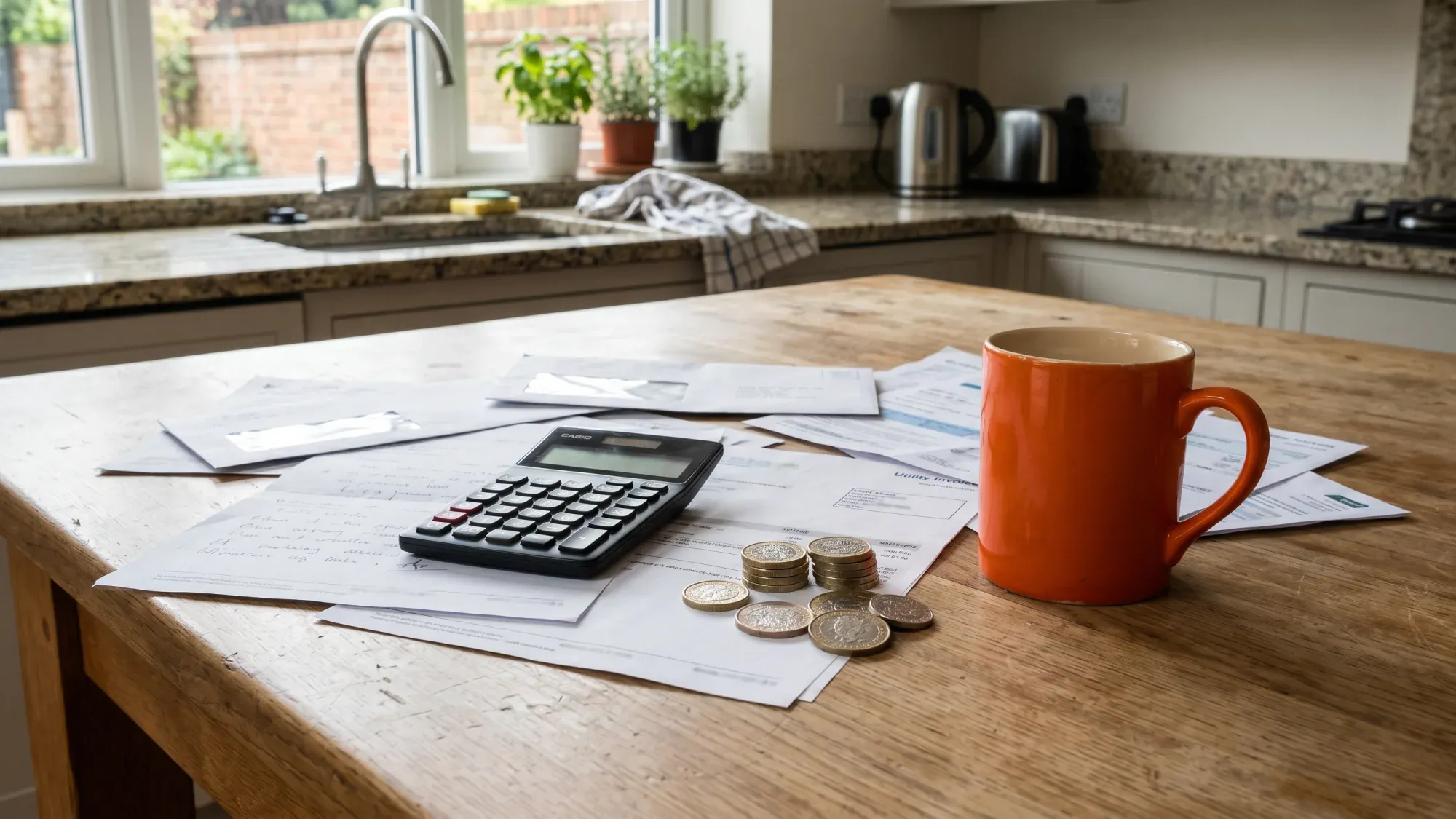
Choosing an energy tariff can feel like navigating a maze, but understanding fixed energy deals offers a clear path to price stability and predictability for your household bills. Amidst market uncertainties, securing a fixed rate can provide peace of mind and greater control over your budget.
When considering a fixed energy deal, it's helpful to have clear information about your options and how they compare to variable tariffs. Fuse Energy aims to make managing your home's energy straightforward, offering clear pricing and support to help you make informed decisions. Click here to see how easy it is to get started.
Enter your address to get a quote and see how much you could save
Understanding fixed energy deals
A fixed energy deal, often called a fixed tariff, is an agreement with your energy supplier where the unit rate you pay for electricity and gas remains constant for a set period. This contrasts sharply with variable tariffs, where unit rates can fluctuate with market conditions. Fixed deals usually run for between 12 and 18 months.
What is a fixed energy tariff?
A fixed energy tariff locks in the price you pay per unit of electricity and gas for a predetermined contract length, typically between one and one and a half years. This means that regardless of any increases in wholesale energy costs, your unit rates will not change during that period. This provides certainty over a significant portion of your energy bill, allowing for more predictable budgeting.
How do fixed energy deals work?
When you sign up for a fixed energy deal, your supplier agrees to provide electricity and gas at a specific unit rate (pence per kilowatt-hour, or kWh) and a daily standing charge. These rates are fixed for the entire contract duration. Fixed tariffs have exit fees, which apply if you leave the contract before its end date, except during the first 14 days (cooling-off period) or the last 49 days of the contract. The amount is tariff-specific and shown at sign-up, with £50 often used as an illustrative figure. It is crucial to understand these terms before committing.
Fixed vs variable energy tariffs
The primary distinction between fixed and variable tariffs lies in price stability. This difference has significant implications for your household budget.
Key differences and implications
Variable tariffs, also known as standard variable tariffs (SVTs), do not have a set end date and their unit rates can change based on market conditions, often influenced by wholesale energy prices. This means your energy costs can go up or down, sometimes with little notice. In contrast, fixed tariffs offer protection from these fluctuations, ensuring your unit rates remain constant for the contract term. This stability makes budgeting easier, as you know exactly what you will pay per unit of energy consumed.
The role of the energy price cap
Ofgem, the energy regulator for Great Britain, sets an energy price cap that limits the maximum unit rates and standing charges suppliers can charge for standard variable tariffs. This cap is reviewed and updated every three months. For an illustrative Direct Debit household on the Ofgem price-cap default tariff for 1 July to 30 September 2026, electricity is 26.11p per kWh (inclusive of 5% VAT) and gas is 7.33p per kWh (inclusive of 5% VAT) . While fixed tariffs are not directly subject to the price cap, their pricing is often influenced by it, as suppliers compete for customers.
Advantages and disadvantages of fixed deals
Fixed energy deals offer clear benefits, particularly in uncertain markets, but they also come with potential drawbacks.
Benefits: price certainty and budgeting
The main advantage of a fixed energy deal is the certainty it brings to your energy costs. By locking in your unit rates, you are protected from sudden price hikes, which can be invaluable for household budgeting. This predictability can reduce anxiety around energy bills, allowing you to manage your finances with greater confidence. This aligns with the idea of having control over your household budget and protecting yourself from market volatility.
Drawbacks: missing out on price drops and exit fees
While fixed deals protect against rising prices, they also mean you won't benefit if wholesale energy costs fall significantly. If market prices drop below your fixed rate, you could end up paying more than customers on variable tariffs or newer fixed deals. Additionally, most fixed tariffs come with exit fees, which can make switching early an expensive decision if you find a cheaper deal elsewhere or your circumstances change. These fees apply if you leave the contract before its end date, except during the first 14 days (cooling-off period) or the last 49 days of the contract . Customers also have a 14-day cooling-off period after agreeing to a new energy contract, during which they can cancel without penalty .
Navigating the market: how to find a fixed deal
Finding the right fixed energy deal requires careful consideration of your household's needs and the available options.
Comparing offers and understanding the terms
To choose a fixed deal wisely, first understand your household's energy usage. The average UK home uses around 2,500 kWh of electricity and 9,500 kWh of gas per year, according to Ofgem's medium typical domestic consumption values (TDCVs) effective from 1 July 2026 . With this in mind, compare available fixed energy deals from different suppliers, paying close attention to the unit rates, standing charges, and contract length. Always check for any exit fees and thoroughly read the terms and conditions.
What should I look for when comparing fixed energy deals?
When comparing fixed energy deals, focus on the unit rates for electricity and gas, the daily standing charges, and the contract length. Also, be sure to check for any exit fees, which can make leaving the contract early expensive. Consider your typical energy usage to estimate your total bill accurately.
Factors to consider before fixing your price
Before committing to a fixed deal, consider the current energy market outlook and your personal risk tolerance. If prices are expected to rise, a fixed deal can offer significant savings. However, if prices are predicted to fall, you might prefer the flexibility of a variable tariff. Avoid the common pitfalls of fixing at a high price point just before market prices begin to fall, or overlooking your contract end date and rolling onto an expensive Standard Variable Tariff.
What happens at the end of your fixed term?
The end of your fixed term is a critical moment for your energy supply, requiring proactive engagement to avoid higher costs.
Automatic rollover to a Standard Variable Tariff
If you do not choose a new tariff when your fixed deal ends, your supplier will automatically roll you onto their Standard Variable Tariff. These tariffs are typically more expensive than fixed deals and are subject to the Ofgem Price Cap, meaning their rates can change every three months . This automatic rollover can lead to a significant increase in your energy bills if you are not careful.
Planning your next energy move
To avoid falling onto an expensive Standard Variable Tariff, it's essential to plan your next energy move before your current fixed deal expires. Your supplier should notify you as your contract approaches its end date, giving you time to compare new deals. This is an opportunity to evaluate your options, whether that's another fixed deal or a variable tariff, based on your current usage and the market outlook. Fuse Energy's digital-first approach and app can provide clear visibility into energy usage and billing, helping you manage your fixed deal effectively. Additionally, Fuse's 24/7 human customer support offers peace of mind, ensuring assistance is always available for any queries or concerns.
"The energy price cap is a limit, set by the regulator Ofgem, on the amount your supplier can charge you for each unit of gas and electricity you use, plus the daily standing charge that keeps your home connected to the network." — Uswitch
Managing your energy bills should be clear and easy to understand. Fuse Energy focuses on straightforward pricing, so you can see exactly what you're paying without unnecessary complexity. If you have a smart meter, you can view detailed usage data through the app or website, helping you understand how you can lower your bills. If you don't have a smart meter, Fuse Energy can upgrade your non-smart meter, completely for free. This can make it easier to track spending and make informed decisions about your energy use. Our 24/7 human support team is always on hand with fast response times whenever you need help. Click here to switch to Fuse Energy today. Find out about our mission by clicking here.
Disclaimer
For the avoidance of doubt, this article is provided for informational purposes only and is not intended to constitute legal or financial advice. The author and/or Fuse Energy shall not be responsible for any losses arising out of any reliance on the information contained herein.