EV home charging: optimising your energy
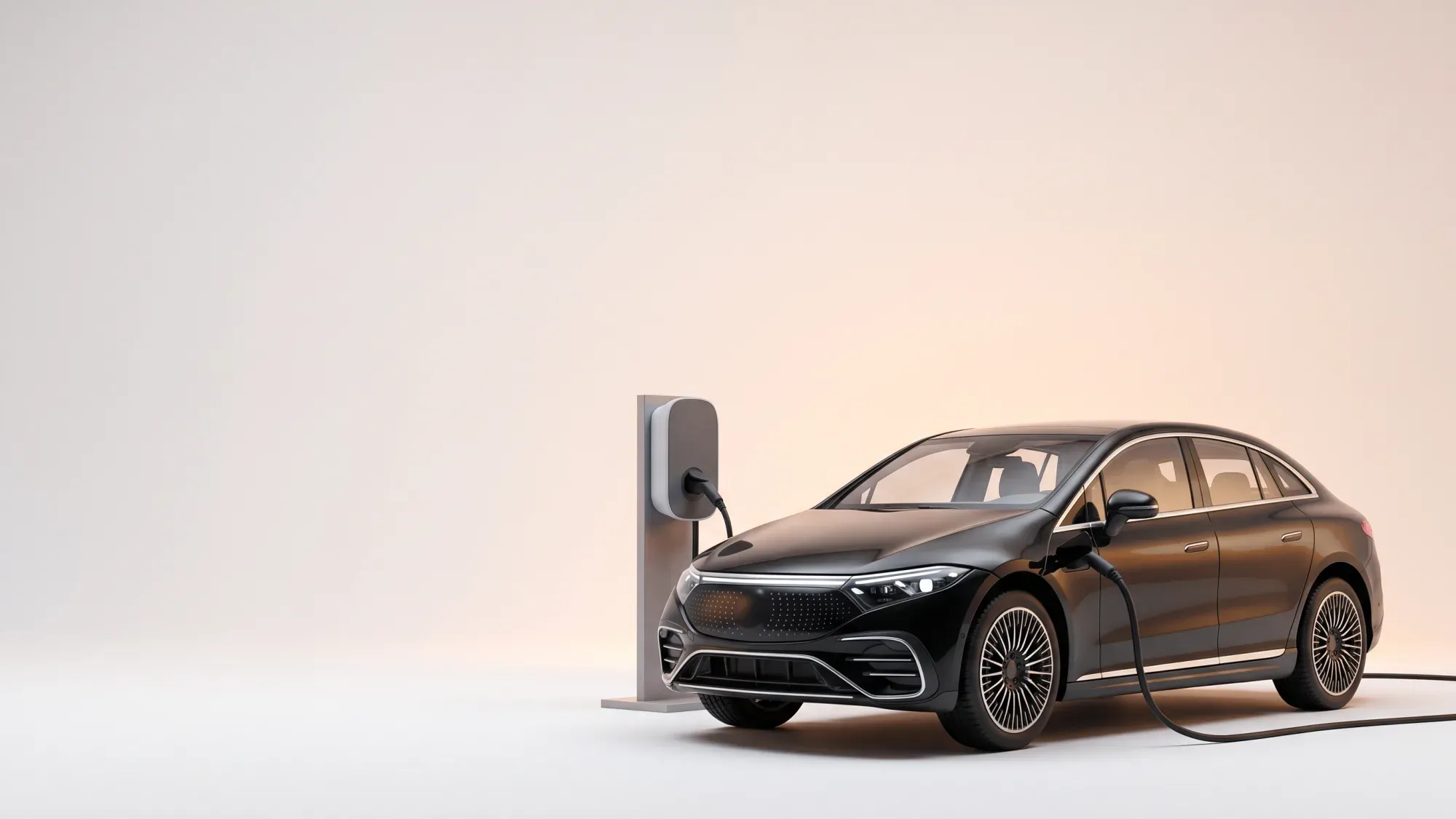
Integrating an electric vehicle (EV) into your home energy system can significantly reduce running costs and enhance convenience. With EV adoption rapidly increasing, understanding home charging options, optimising energy use, and navigating available grants is crucial for a seamless transition.
Thinking about EV home charging? With Fuse Energy, you get clear pricing, real-time usage data, 24/7 human customer support, and a modern energy experience designed around you. Signing up takes just a few minutes, so you can take control of your bills from day one. Click here to switch to Fuse Energy today and start saving.
Enter your address to get a quote and see how much you could save
Understanding electric vehicles
What is an electric vehicle?
An electric vehicle (EV) is a car powered by one or more electric motors, using energy stored in rechargeable batteries. Unlike traditional petrol or diesel cars, EVs produce no tailpipe emissions, contributing to cleaner air and a reduced carbon footprint.
The growth of EVs in the UK
The UK has seen a substantial surge in electric vehicle adoption. In August 2026, battery electric vehicles (BEVs) accounted for 29.8% of new car registrations, a 27.7% increase year-on-year, making them the most common powertrain in the UK car market that month. Plug-in hybrids (PHEVs) also saw strong growth, with registrations up 39.8% and accounting for 14.5% of the market. Combined, plug-in vehicles made up 44% of the market in August 2026. Electric cars accounted for 25.6% of registrations in the first eight months of 2026. This growth is expected to continue as the UK transitions towards a more electrified transport system.
Benefits of EV ownership
Environmental advantages
One of the most compelling reasons to switch to an EV is the environmental benefit. Electric cars produce zero exhaust emissions, directly reducing air pollution in local areas and cutting carbon dioxide (CO2) emissions released into the atmosphere. As the UK's energy grid decarbonises, the overall environmental impact of EVs continues to decrease.
Running cost savings
Electric vehicles typically offer lower running costs compared to petrol or diesel cars. Charging an EV at home, particularly overnight during off-peak hours, can be significantly cheaper than buying fuel. EV owners also benefit from lower vehicle excise duty (road tax) and often face reduced servicing costs due to fewer moving parts in electric powertrains. Additionally, EVs are exempt from congestion charges in clean air zones, offering further savings for urban drivers.
Driving experience and performance
EVs provide a distinct driving experience, often characterised by instant torque and rapid acceleration, allowing them to outperform many internal combustion engine (ICE) cars. The absence of an engine also results in a quieter, smoother, and more relaxing journey. Modern EVs offer impressive ranges, reducing the need for frequent public charging stops.
Home EV charging explained
Types of EV chargers
Home EV chargers typically fall into two main categories:
- Slow chargers: These use a standard three-pin plug and provide around 2.3kW to 3.7kW of power. They are the slowest option, often taking 20-30 hours or more for a full charge of a typical 60 kilowatt-hour (kWh) battery.
- Fast chargers: These are the most common home charging solution, typically providing around 7kW of power and requiring dedicated installation. A 7kW charger can usually fully charge a 60kWh EV battery overnight in 8-10 hours.
The importance of home charging
Home charging is a cornerstone of convenient and cost-effective EV ownership. It allows you to wake up to a fully charged vehicle every day, much like charging your mobile phone overnight. This eliminates the need for regular trips to public charging stations and provides the flexibility to charge during off-peak hours when electricity is cheaper.
EV chargepoint grants and eligibility
The UK government, through the Office for Zero Emission Vehicles (OZEV), offers grants to support the installation of EV chargepoints. However, eligibility criteria are specific and have changed. These grants have been extended until 31 March 2027.
The EV Chargepoint Grant for renters and flat owners offers up to £500 towards installing a chargepoint at a property. To be eligible, you must either own and live in a flat, or rent any residential property, and have private off-street parking. Another grant, the EV Chargepoint Grant for households with on-street parking, also offers up to £500 for those installing a cross-pavement solution (such as a charging gully) and who only have on-street parking.
It is important to note that the Electric Vehicle Homecharge Scheme (EVHS), which previously offered a generic domestic grant for owner-occupiers in houses with off-street parking, has been discontinued. This means that a typical homeowner living in a house with private off-street parking is generally not eligible for current domestic chargepoint grants. The customer applies for the grant themselves via the GOV.UK eligibility/application page.
Integrating your EV with home energy
Smart meters and dual-rate tariffs
Smart meters are fundamental for optimising EV charging costs. These devices send automatic meter readings to your energy supplier, enabling access to dual-rate tariffs. Dual-rate tariffs offer different electricity prices at different times of the day, typically with cheaper rates during off-peak hours (e.g., overnight). To qualify for a dual-rate tariff, you need either a smart meter or a multi-register (dual-rate) non-smart meter. Many homeowners choose to get a smart meter installation to take advantage of these benefits.
Optimising charging for cost savings
By combining a smart meter with a dual-rate tariff, you can significantly reduce the cost of charging your EV. Scheduling your EV to charge during off-peak hours, when electricity is cheapest, can lead to substantial savings over time. This smart energy management ensures you benefit from lower unit rates for your vehicle's energy consumption.
The role of energy management apps
Energy management apps provide crucial control and visibility over your EV charging and overall home energy consumption. These apps allow you to monitor your usage, track costs, and schedule charging sessions to align with off-peak tariffs. Fuse Energy's app, for example, offers transparent control and visibility, helping you manage your EV charging and household energy use efficiently.
Choosing and installing an EV charger
What to look for in a home charger
When selecting a home EV charger, consider factors such as charging speed (typically 7kW for most homes), compatibility with your EV, smart features (like app control and scheduling), and safety certifications. A tethered charger comes with a cable permanently attached, while an untethered unit allows you to use your car's charging cable.
Professional installation services
Professional installation is essential for home EV chargers to ensure safety and compliance with electrical regulations. A qualified installer will assess your home's electrical system, advise on the best location for the chargepoint, and ensure it is correctly wired and commissioned. This often includes installing surge protection and ensuring the charger is connected to a dedicated circuit.
Fuse Energy's Easee one charger
Fuse Energy offers the Easee One EV charger, including professional installation, for £899. This package includes full installation (up to 15m of cabling), surge protection, and a 3-year warranty. The Easee One is a 32ampere (A), 7.4 kW charger with a universal socket, making it suitable for most EVs. Fuse Energy is an OZEV-approved installer, ensuring installations meet required standards. To confirm feasibility, photos of your meter, fuse board, and a video of the proposed installation location are typically required.
Maximising your EV savings and convenience
Beyond the charger: holistic home energy
Integrating an EV goes beyond simply installing a charger; it's about optimising your entire home energy ecosystem. By understanding your household's average electricity consumption - around 2,500 kWh per year for the average UK home - you can better gauge the impact of EV charging and identify opportunities for further savings. Smart energy management, facilitated by tools like the Fuse app, allows you to monitor and control your energy usage, ensuring your EV charging works in harmony with your home's demands. Understanding your usage can also help with understanding your energy bill.
Future-proofing your home for EVs
As the UK moves towards a more electrified future, integrating an EV charger is a step towards future-proofing your home. It positions you to take advantage of evolving energy tariffs and smart grid technologies.
Optimising your home energy for EV charging can lead to significant savings and a more sustainable lifestyle. Fuse Energy provides clear pricing, real-time usage data, and 24/7 human customer support to help you manage your EV charging and household energy efficiently. Click here to switch to Fuse Energy today and take control of your energy bills.
Disclaimer
For the avoidance of doubt, this article is provided for informational purposes only and is not intended to constitute legal or financial advice. The author and/or Fuse Energy shall not be responsible for any losses arising out of any reliance on the information contained herein.