Energy price cap: how it works
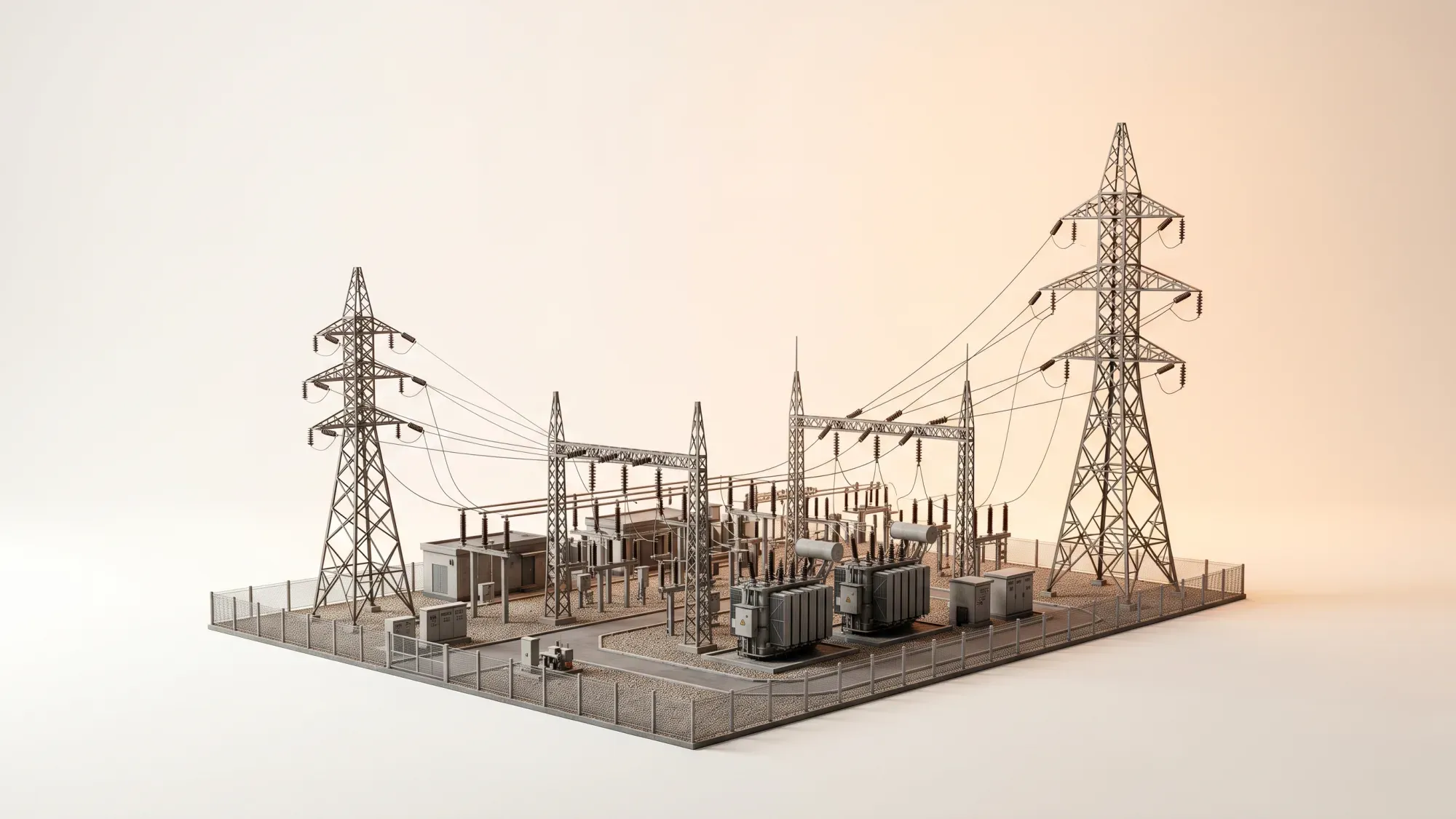
The energy price cap limits the maximum unit rates and standing charges energy suppliers can charge for electricity and gas in the UK, not the total bill amount. This regulatory limit, set by Ofgem, is reviewed and adjusted quarterly, with changes typically taking effect in January, April, July, and October. For a typical household paying by Direct Debit, the energy price cap was £1,690 per year from 1 April 2024 to 30 June 2024. Understanding these adjustments and the factors that drive them is key to managing household energy costs effectively.
Managing your energy bills should be clear and easy to understand. Fuse Energy focuses on straightforward pricing, so you can see exactly what you're paying without unnecessary complexity. Click here to switch to Fuse Energy today.
Enter your address to get a quote and see how much you could save
What is the energy price cap?
The energy price cap serves as a safeguard for UK households on standard variable tariffs, protecting them from sudden and excessive price increases. It ensures that the cost per unit of energy consumed and the daily standing charge remain fair, reflecting the underlying costs of supplying energy. The cap was introduced in January 2019 by Ofgem, the energy regulator, to prevent households on expensive variable tariffs from being overcharged.
How the cap protects households
The cap applies to standard variable tariffs, which are the default tariffs most households are on if they haven't switched recently or their fixed-term deal has ended. It sets a maximum price per unit of gas and electricity, as well as a maximum daily standing charge - a fixed daily fee for being connected to the energy network. This mechanism protects millions of households from excessive charges.
Price cap versus total bill
It's a common misconception that the energy price cap limits your total energy bill. In reality, the cap limits the unit rates and standing charges, not the overall amount you pay. Your total bill will still depend directly on how much energy you use. If you use more energy, your bill will be higher, even under the cap.
How the energy price cap is calculated
Ofgem calculates the energy price cap based on several components that reflect the true cost of supplying energy.
Components of the cap
The main components considered in the cap's calculation include:
- Wholesale energy costs: This is the price energy suppliers pay to buy gas and electricity on the open market. It is the largest component, typically accounting for roughly 40-50% of the total cap, and is the primary driver of changes to the cap.
- Network costs: These are the charges for building, maintaining, and operating the National Grid and local distribution networks that transport energy to your home.
- Operating costs: These cover the day-to-day activities of suppliers, such as billing, customer service, metering, and other administrative expenses.
- Environmental and social obligations: These are costs associated with government schemes designed to support renewable energy development and help vulnerable households, such as the Warm Home Discount.
- Supplier profit margin: A small, regulated allowance for suppliers to earn a reasonable return.
Ofgem's role in setting the cap
Ofgem, the UK's energy regulator, is responsible for setting and enforcing the energy price cap methodology. They review and adjust the cap quarterly, with changes typically announced about six weeks before they come into effect. This ensures the cap reflects the most up-to-date costs in the energy market.
Factors influencing energy price cap predictions
Several key factors drive changes in the energy price cap, making predictions about future rates complex.
Wholesale energy costs
Wholesale energy costs are the most volatile and significant factor influencing the price cap. Global events, geopolitical tensions, supply and demand dynamics, and even weather patterns can cause wholesale prices to fluctuate dramatically. Because this component makes up such a large proportion of the cap, movements in wholesale markets have an outsized effect on where the cap lands each quarter.
Network charges and operating costs
Network charges, which cover the infrastructure for energy transmission and distribution, and suppliers' operating costs also contribute to the price cap. While generally more stable than wholesale costs, these can still see adjustments due to investment in infrastructure, regulatory changes, or inflationary pressures.
Environmental and social obligations
The costs associated with government environmental and social schemes are factored into the cap. These obligations aim to promote sustainability and support vulnerable customers, and their costs can be adjusted based on policy decisions and the ongoing funding requirements of these programmes.
Where to find reliable energy price cap predictions
For UK adults concerned about future household energy costs, finding clear and reliable information is essential for effective budgeting.
Official sources
The most authoritative source for energy price cap announcements is Ofgem, the energy regulator itself. Ofgem publishes the official cap levels and the underlying methodology quarterly. Checking their official website is the best way to get confirmed figures and understand the regulatory framework.
Expert analysis and forecasts
Several reputable organisations provide expert analysis and forecasts for the energy price cap. Energy market consultancies and consumer advice websites often publish their predictions ahead of Ofgem's official announcements. These forecasts are based on publicly available algorithms and market data, offering insights into potential future changes. However, it's crucial to remember that these are predictions and not guaranteed figures, as market conditions can change rapidly.
How often does Ofgem review the energy price cap?
Ofgem reviews and adjusts the energy price cap every three months. Changes typically take effect at the start of January, April, July, and October. This quarterly review process ensures the cap reflects the most up-to-date costs for supplying energy, primarily wholesale energy prices.
Managing your energy costs under the price cap
Even with the energy price cap in place, actively managing your energy usage and understanding your options can help you control household costs.
Understanding your usage
Knowing how much energy your household consumes is the first step to managing your bills effectively. The average UK home uses around 2,500 kWh of electricity and 9,500 kWh of gas per year, based on Ofgem's medium Typical Domestic Consumption Values1, effective from 1 July 2026. Tracking your own consumption against these benchmarks can highlight areas where you might be able to reduce usage, such as by analysing your air source heat pump running cost.
Exploring tariff options
While the price cap applies to standard variable tariffs, it's always worth reviewing your energy tariff options. Fixed-rate tariffs, for example, are not subject to the price cap and can offer price certainty for a set period, though they may not always be available or cheaper than the capped rate. Comparing available deals can help you decide if a different tariff structure better suits your needs.
Leveraging digital tools for control
Fuse empowers customers to manage their energy effectively by providing transparent data and support, helping them navigate price cap changes with clarity and control. Digital tools, such as the Fuse Energy app, can provide clear usage data and bill breakdowns, empowering you to understand your energy consumption against price cap changes. Features like these give you greater control over your energy use and costs, moving beyond simply reacting to market conditions. Fuse also offers 24/7 human customer support to help you understand the impact of price cap adjustments and manage your energy bills.
Understanding the energy price cap and the factors that influence it is key to navigating your household energy costs. By staying informed through reliable sources and actively managing your energy usage, you can budget more effectively and make informed decisions about your energy supply.
Managing your energy bills should be clear and easy to understand. Fuse Energy focuses on straightforward pricing, so you can see exactly what you're paying without unnecessary complexity. If you have a smart meter, you can view detailed usage data through the app or website, helping you understand how you can lower your bills. Our 24/7 human support team is always on hand with fast response times whenever you need help. Click here to switch to Fuse Energy today. Find out about our mission by clicking here.
References
Disclaimer
For the avoidance of doubt, this article is provided for informational purposes only and is not intended to constitute legal or financial advice. The author and/or Fuse Energy shall not be responsible for any losses arising out of any reliance on the information contained herein.