Energy efficient heaters: how to choose
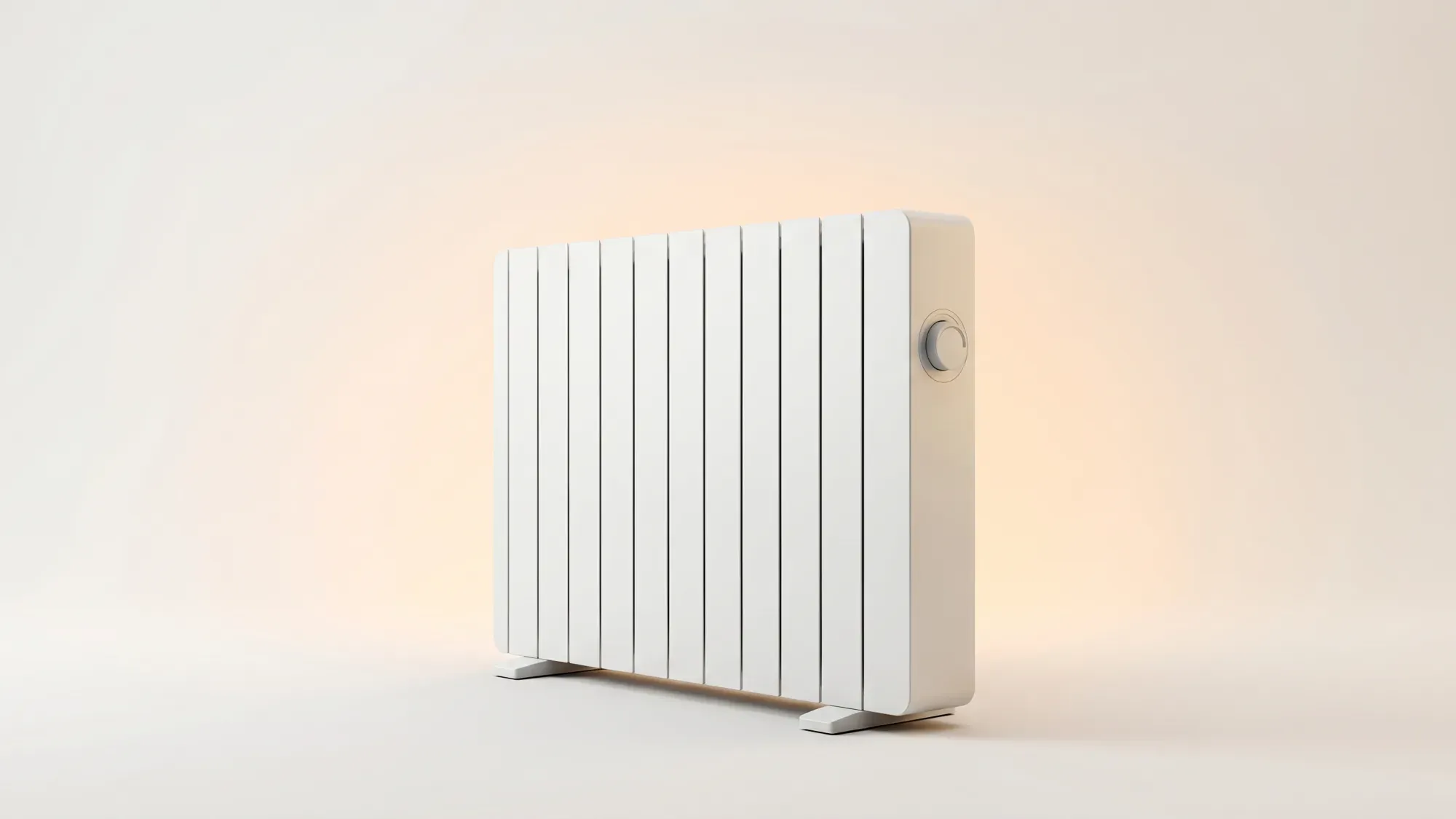
Choosing an energy efficient heater for your home is about more than just staying warm; it's about managing your energy bills and improving comfort. Many UK households look for heating solutions that deliver on these promises. Understanding the available technology, how they perform in real-world conditions, and how to monitor your usage is essential for making informed decisions.
To make the most of your energy efficient heating, you need an energy supplier that helps you understand and manage your usage. Fuse Energy offers clear pricing and smart tools to help you take control. Click here to switch to Fuse Energy today.
Enter your address to get a quote and see how much you could save
Understanding energy efficient heating
What makes a heater energy efficient?
An energy-efficient heater converts a high percentage of the energy it consumes into usable heat, minimising waste. While a heater's efficiency is often measured by its output-to-input ratio, real-world performance varies significantly based on factors like insulation, room size, and how the heater is used. For example, a heater might be theoretically efficient, but if it's heating a poorly insulated room, much of that heat will escape, reducing its effective efficiency.
The benefits of upgrading your heating
Upgrading to a more energy-efficient heating system can lead to substantial savings on your energy bills, especially given current electricity unit rates. For a typical Direct Debit household on the Ofgem price-cap default tariff between 1 July and 30 September 2026, electricity costs 26.11p per kWh. Beyond cost savings, efficient heating improves home comfort by providing more consistent warmth and reducing cold spots. It also contributes to better overall home energy management, giving you more control over your consumption.
Types of energy efficient heaters for UK homes
When considering energy-saving heaters, several types offer different benefits depending on your specific needs. It's crucial to look beyond marketing claims and understand the underlying technology.
Electric radiators and convectors
Modern electric radiators and convectors have advanced significantly. They offer precise temperature control and can be programmed to heat specific zones or rooms only when needed. Convection heaters work by circulating warm air, while electric radiators often use a combination of convection and radiant heat to warm objects and surfaces directly. Their efficiency comes from their controllability and ability to provide targeted heat.
Infrared heaters
Infrared heaters work by emitting radiant heat that warms objects and people directly, similar to how the sun warms you. They don't heat the air, which can make them feel warmer more quickly and reduce heat loss through draughts. This makes them particularly effective for spot heating or in areas where traditional convection heating is less practical, such as workshops or high-ceiling rooms.
Oil-filled radiators
Oil-filled radiators contain a thermal oil that heats up and retains warmth, radiating it into the room even after the power is switched off. This heat retention can make them an energy-saving heater for maintaining warmth over longer periods. They are typically portable and offer a gentle, consistent heat.
Storage heaters
Storage heaters are designed to take advantage of off-peak electricity tariffs, typically overnight, storing heat in ceramic bricks and releasing it throughout the day. While they require a specific tariff and careful management, they can be a cost-effective option for households that can shift their heating demand to cheaper hours.
Heat pumps: a broader solution
While not typically considered a 'heater' in the same vein as the above, heat pumps represent a highly energy-efficient electric heating solution for whole-home heating. Air source heat pumps extract heat from the outside air, even in cold temperatures, and transfer it into your home. They are significantly more efficient than traditional electric resistance heaters, as they move heat rather than generate it. You can also analyse the air source heat pump running cost to understand the long-term financial implications. However, they require a larger upfront investment and are often part of a broader home energy system upgrade. Understanding air source heat pump efficiency is key to assessing their suitability for your property.
Key factors when choosing an efficient heater
Making an informed choice about an energy efficient heater involves more than just picking a type; it requires considering your home's unique characteristics and your lifestyle.
Room size and insulation
The size of the room and its insulation levels are critical. A small, well-insulated room will require less heating power than a large, draughty one. Over-specifying a heater can lead to wasted energy, while under-specifying can result in insufficient warmth and the heater running constantly, negating any efficiency benefits. Always assess your home's heating needs first, including room dimensions and existing insulation.
Running costs and energy tariffs
Focusing solely on the initial purchase price is a common pitfall. The long-term running costs are what truly impact your bills. To calculate potential running costs, you need to know the heater's power consumption (in kilowatts, kW) and your electricity unit rate. For example, a heater with a 2kW power rating running for one hour would cost 52.22p at the current 26.11p per kWh rate. Considering energy tariffs, especially those with off-peak rates, can significantly influence the cost-effectiveness of certain heaters like storage heaters.
Smart controls and programmability
Modern energy-saving heaters often come with smart features and advanced programmability. These allow you to set schedules, control temperatures remotely via an app, and even integrate with smart home systems. Such controls enable precise management of your heating, ensuring you only use energy when and where it's needed, which is a major factor in real-world efficiency.
Calculating and reducing your heating bills
Understanding your energy consumption is the first step towards reducing your heating bills.
Understanding kWh and unit rates
Energy consumption is measured in kilowatt-hours (kWh). This represents the amount of energy used by a 1,000-watt (1kW) appliance running for one hour. Your energy bill charges you per kWh, plus a daily standing charge. The average UK home uses around 2,500 kWh of electricity per year, according to Ofgem's medium typical domestic consumption value (TDCV) effective from 1 July 20261. Knowing your unit rate - currently 26.11p per kWh for electricity on the price cap - allows you to estimate the cost of running any electric appliance.
How do I calculate a heater's running cost?
To estimate a heater's running cost, multiply its power rating (in kilowatts) by the number of hours it runs, then by your electricity unit rate (in pence per kilowatt-hour). For example, a 1.5kW heater running for 4 hours at 26.11p/kWh would cost 1.5 kW multiplied by 4 hours multiplied by 26.11p/kWh, equalling 156.66p, or £1.57.
Monitoring usage with smart meters
Smart meters are invaluable tools for monitoring and managing your energy consumption from heating solutions. They provide real-time data, making invisible usage visible and controllable. By tracking how much electricity your energy efficient heater is actually using, you can verify savings, identify peak consumption periods, and optimise your settings. This data-backed approach empowers you to make informed decisions about your heating, moving away from a scarcity mindset to one where you can achieve comfort and warmth with confidence.
Tips for optimising heater efficiency
Beyond choosing an efficient heater, how you use it can significantly impact your bills.
- Insulation: Ensure your home is well-insulated. Good insulation, including loft and wall insulation, double glazing, and draught-proofing, prevents heat from escaping, allowing your heater to work less.
- Thermostat settings: Lowering your thermostat by just one degree can make a noticeable difference to your energy usage.
- Zoned heating: Only heat the rooms you are using. Programmable thermostats and smart controls facilitate this, preventing wasted energy in unoccupied areas.
- Maintenance: Keep heaters clean and free from obstructions to ensure optimal performance.
Making an informed choice for your home
Choosing the most energy efficient electric heater for your UK home is a strategic decision that balances immediate needs with long-term financial and comfort goals.
Balancing upfront cost and long-term savings
While a cheaper upfront purchase might seem appealing, it's crucial to consider the long-term running costs. A more expensive, highly efficient heater might save you more money over its lifespan than a cheaper, less efficient model. Think of your heating choice as an investment in your home's comfort and your financial well-being.
Beyond the heater: whole-home energy management
Your heating solution is just one part of your overall home energy management. Factors like your home's insulation, ventilation, and even your energy tariff all play a role. By taking a holistic approach and using tools like smart meters and energy monitoring apps, you can gain a comprehensive understanding of your energy consumption. This allows you to make informed choices that genuinely reduce your bills and improve your home's comfort, empowering you to control your energy usage effectively.
Managing your home's energy should be straightforward. Fuse Energy provides clear pricing and in-app usage data to help you understand and control your energy consumption. Our 24/7 human support team is always available to assist you. Switch to Fuse Energy today and take the first step towards smarter energy management. Click here to get started, or learn more about our mission here.
References
Disclaimer
For the avoidance of doubt, this article is provided for informational purposes only and is not intended to constitute legal or financial advice. The author and/or Fuse Energy shall not be responsible for any losses arising out of any reliance on the information contained herein.