Energy-efficient doors for your home
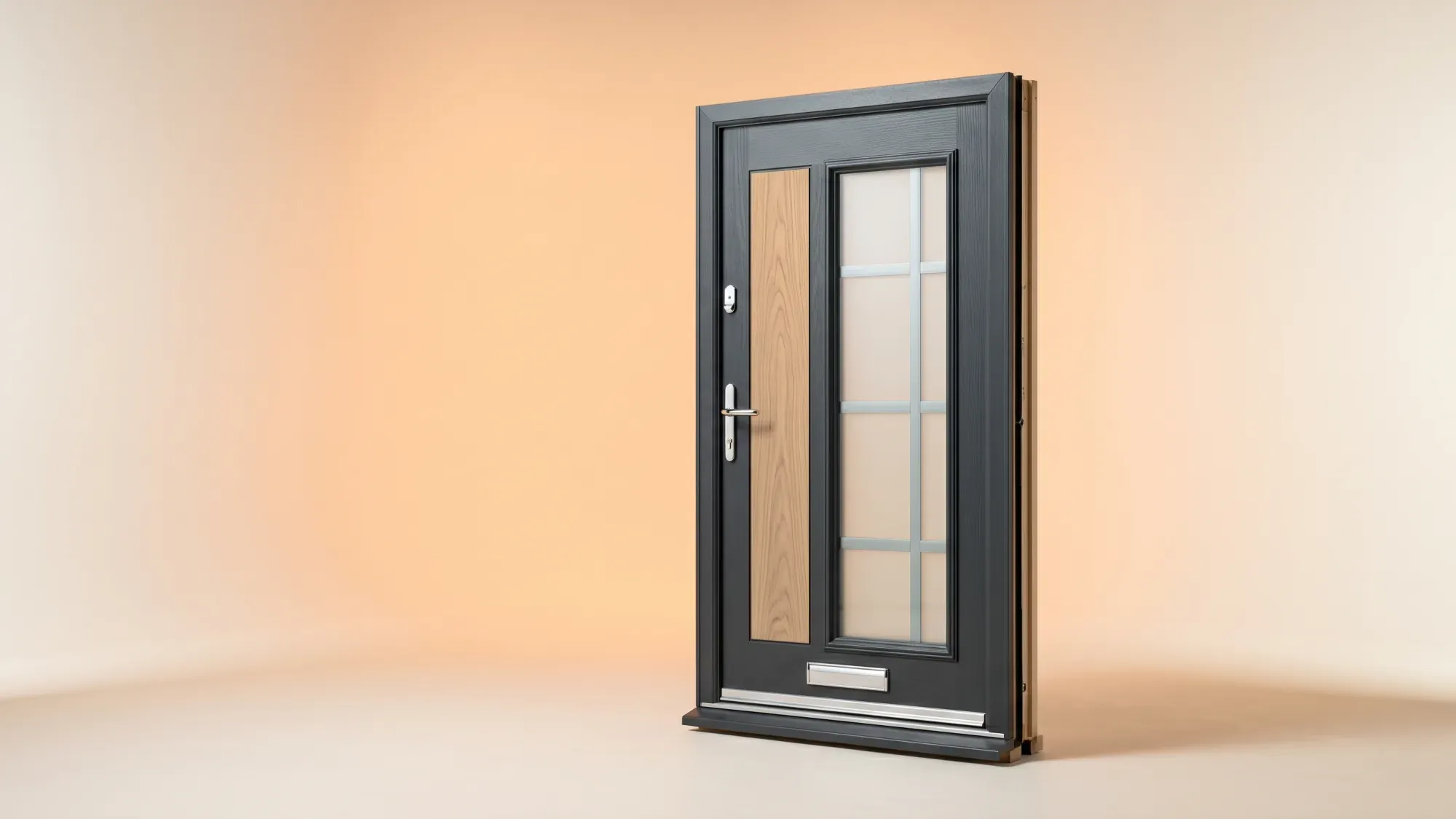
Upgrading to energy-efficient doors is a practical way to manage your home's energy consumption and reduce heating worries. By making informed choices about property upgrades, you gain greater control over your energy use, moving towards a future where energy is less of a concern.
Choosing energy-efficient doors is a smart step towards better home energy management. Fuse Energy helps you take control of your consumption once upgrades like these reduce demand. Click here to start managing your home's energy effectively.
Enter your address to get a quote and see how much you could save
Why energy-efficient doors matter for your home
Doors are more than just entry points; they are a significant barrier against heat loss, directly influencing your home's energy efficiency and overall comfort. Upgrading to energy-efficient doors is a foundational step in a holistic home energy management strategy.
Reducing heat loss and draughts
A poorly insulated or ill-fitting door can be a major source of heat loss in any home. Warm air escapes, and cold air infiltrates, forcing your heating system to work harder and driving up energy bills. Research suggests that around 25-30% of a home's total heat loss occurs through windows and doors, particularly if they are older or poorly sealed. This constant exchange of air impacts overall energy efficiency and makes rooms feel colder, even when the heating is on.
Improving home comfort and reducing noise
Beyond energy savings, efficient doors significantly enhance indoor comfort. They eliminate cold spots and draughts, maintaining a more consistent temperature throughout your home. Modern energy-efficient doors also offer improved sound insulation, reducing external noise pollution and contributing to a quieter, more peaceful living environment.
Lowering energy bills and carbon footprint
By minimising heat loss, energy-efficient doors reduce the demand on your heating system, directly translating into lower energy bills. This also means your home consumes less energy overall, leading to a reduction in your carbon footprint and contributing to a more sustainable lifestyle. Understanding the running costs of different heating systems can further enhance your energy saving efforts.
Key factors for energy-efficient door performance
The energy efficiency of a door isn't just about its material; it's a combination of several design and construction elements. Understanding these factors helps you make an informed choice.
Understanding u-values and thermal transmittance
The primary metric for measuring a door's thermal performance is its U-value, or thermal transmittance. This figure indicates how effectively a door prevents heat from passing through it. A lower U-value signifies better insulation and greater energy efficiency. In the UK, all new and replacement external doors must comply with Part L of the Building Regulations, which sets minimum thermal performance standards. For new homes, external doors must achieve a U-value of 1.4 W/m²K or lower, while replacement doors in existing properties must meet 1.8 W/m²K or lower.
What is a U-value?
A U-value measures the rate of heat transfer through a material or structure. For doors, it quantifies how much heat is lost through the door per square metre for every degree Celsius difference between the inside and outside temperatures. A lower U-value means the door is a better insulator.
Insulation materials and core construction
The core of an energy-efficient door is crucial. Materials like high-density foam, timber, or composite layers are used to create an insulating barrier. The thicker and more effective the insulating material, the better the door's thermal performance. Some doors feature multiple layers of different materials, strategically chosen to maximise insulation and structural integrity.
Glazing options for doors with glass panels
If your door includes glass panels, the glazing significantly impacts its energy efficiency. Double or triple glazing with low-emissivity (low-e) coatings and inert gas fillings (like argon) between the panes can drastically reduce heat loss compared to single glazing. Spacers between the glass panes, often made of warm-edge materials, also help to minimise thermal bridging.
Draught-proofing and weather seals
Even the most insulated door will be inefficient if it allows air to leak around its edges. High-quality draught-proofing and weather seals are essential. These typically include durable gaskets, brushes, or compression seals fitted around the door frame and at the bottom of the door, preventing unwanted airflow and ensuring a tight seal when closed.
Types of energy-efficient doors for UK homes
The UK market offers a variety of energy-efficient door types, each with distinct characteristics regarding material, performance, and aesthetics.
Composite doors: balancing efficiency and security
Composite doors are a popular choice in the UK, known for their excellent thermal performance and robust security features. They are constructed from multiple materials, often including a solid timber core, a uPVC sub-frame, and a glass-reinforced plastic (GRP) skin. This multi-layered approach results in high insulation values; composite doors often achieve U-values as low as 1.1 to 1.4 W/m²K, making them highly energy efficient. Their durability and wide range of designs also contribute to their appeal.
Upvc doors: a cost-effective choice
Unplasticised polyvinyl chloride (uPVC) doors are a widely used and cost-effective option for UK homes. Modern uPVC doors feature multi-chambered profiles that trap air, providing good insulation. While generally not matching the lowest U-values of top-tier composite doors, many uPVC options still offer significant energy efficiency improvements over older timber or single-glazed doors, often meeting or exceeding current building regulations.
Timber doors: traditional aesthetics with modern performance
For those who prefer a traditional look, modern timber doors can also be highly energy efficient. Engineered timber, often combined with insulated cores and advanced sealing systems, can achieve good U-values. The natural insulating properties of wood, coupled with careful construction and appropriate glazing, allow timber doors to blend classic aesthetics with contemporary thermal performance. Regular maintenance is key to preserving their efficiency over time.
Aluminium doors: sleek design and thermal breaks
Aluminium doors offer a sleek, contemporary aesthetic, particularly favoured in modern architectural designs. Traditionally, aluminium was a poor insulator, but advancements in "thermal break" technology have transformed its energy efficiency. Thermal breaks are non-conductive materials inserted into the aluminium frame, preventing heat from transferring through the metal. This allows modern aluminium doors to achieve impressive U-values, making them a viable energy-efficient option.
Patio, French, and bifold doors: maximising light and efficiency
Doors designed to maximise natural light, such as patio, French, and bifold doors, can also be energy efficient. The key lies in high-performance glazing (double or triple-glazed units with low-e coatings and inert gas fills) and thermally broken frames (especially for aluminium or uPVC). Good sealing and robust locking mechanisms are also vital to prevent draughts and ensure thermal integrity.
Choosing the right energy-efficient door for your UK home
Selecting the right energy-efficient door involves more than just picking a style. It requires considering regulations, potential financial assistance, and your home's specific needs.
UK building regulations and compliance
All new and replacement external doors in the UK must comply with Part L of the Building Regulations, which sets minimum thermal performance standards (U-values). For new homes, external doors must achieve a U-value of 1.4 W/m²K or lower, while replacement doors in existing properties must meet 1.8 W/m²K or lower. Always ensure that any door you choose, and its installation, meets these legal requirements. Reputable suppliers and installers will be able to provide documentation confirming compliance.
Considering grants and financial incentives
While specific grants solely for energy-efficient doors are less common, homeowners should check for local authority grants or national schemes that may offer financial assistance for broader energy efficiency upgrades. These might include schemes that cover a range of home improvements, where a new door could be part of a larger project. It's always worth investigating what support might be available in your area.
Assessing your home's specific needs and style
Consider your home's architectural style, the level of security required, and the amount of natural light you want. A modern aluminium bifold door might suit a contemporary extension, while a composite or engineered timber door could be more appropriate for a traditional front entrance. Think about the door's function - is it a main entrance, a back door, or a patio door? Each will have different demands regarding durability, security, and thermal performance.
Comparing materials: composite vs upvc vs timber vs aluminium
Each material offers a different balance of cost, aesthetics, and performance.
- Composite doors generally offer the best all-round performance in terms of energy efficiency and security, with a wide range of styles.
- uPVC doors are often the most budget-friendly, providing good insulation and low maintenance.
- Timber doors offer classic appeal and, when engineered correctly, can be very efficient, though they may require more maintenance.
- Aluminium doors are ideal for modern homes, offering slim profiles and excellent thermal performance thanks to thermal breaks.
Your choice will depend on your priorities for budget, appearance, and long-term performance.
Installation and maintenance for optimal efficiency
Even the most advanced energy-efficient door will fail to perform optimally if not installed correctly or if neglected over time.
The critical role of professional installation
Proper installation is as crucial as the door's inherent energy efficiency. A poorly fitted door can lead to air gaps, draughts, and compromised insulation, undermining its thermal benefits. Professional installers ensure the door is fitted squarely, sealed correctly, and that all draught-proofing measures are properly implemented. They also ensure compliance with building regulations. Always obtain quotes from reputable suppliers and installers, ensuring they specify U-values and installation details.
Regular maintenance for lasting performance
To preserve your door's thermal performance, regular maintenance is essential. This includes checking and replacing worn weather seals, ensuring hinges and locks operate smoothly to maintain a tight seal, and addressing any damage to the door's surface or frame. For timber doors, this might involve periodic repainting or sealing. For uPVC and composite doors, a simple clean and lubrication of moving parts is usually sufficient.
Integrating doors into your home energy management strategy
Choosing energy-efficient doors is a strategic move that shifts the balance of control into your hands by cutting energy waste and reducing reliance on grid energy. It's a key part of a broader home energy management strategy. By understanding how door upgrades fit into your overall energy consumption, you can make more informed decisions about other improvements, such as insulation or air source heat pump efficiency. Fuse Energy's 24/7 human customer support can help homeowners with their overall energy management strategy.
Making your home more energy efficient, starting with upgrades like doors, is a smart way to reduce your bills and carbon footprint. Fuse Energy is here to support your journey towards a more sustainable and cost-effective home. We offer clear pricing, real-time usage data, and 24/7 human customer support to help you manage your energy effectively. Switch to Fuse Energy today and take control of your home's energy. Click here to get started.
Disclaimer
For the avoidance of doubt, this article is provided for informational purposes only and is not intended to constitute legal or financial advice. The author and/or Fuse Energy shall not be responsible for any losses arising out of any reliance on the information contained herein.