EICR: your electrical safety certificate
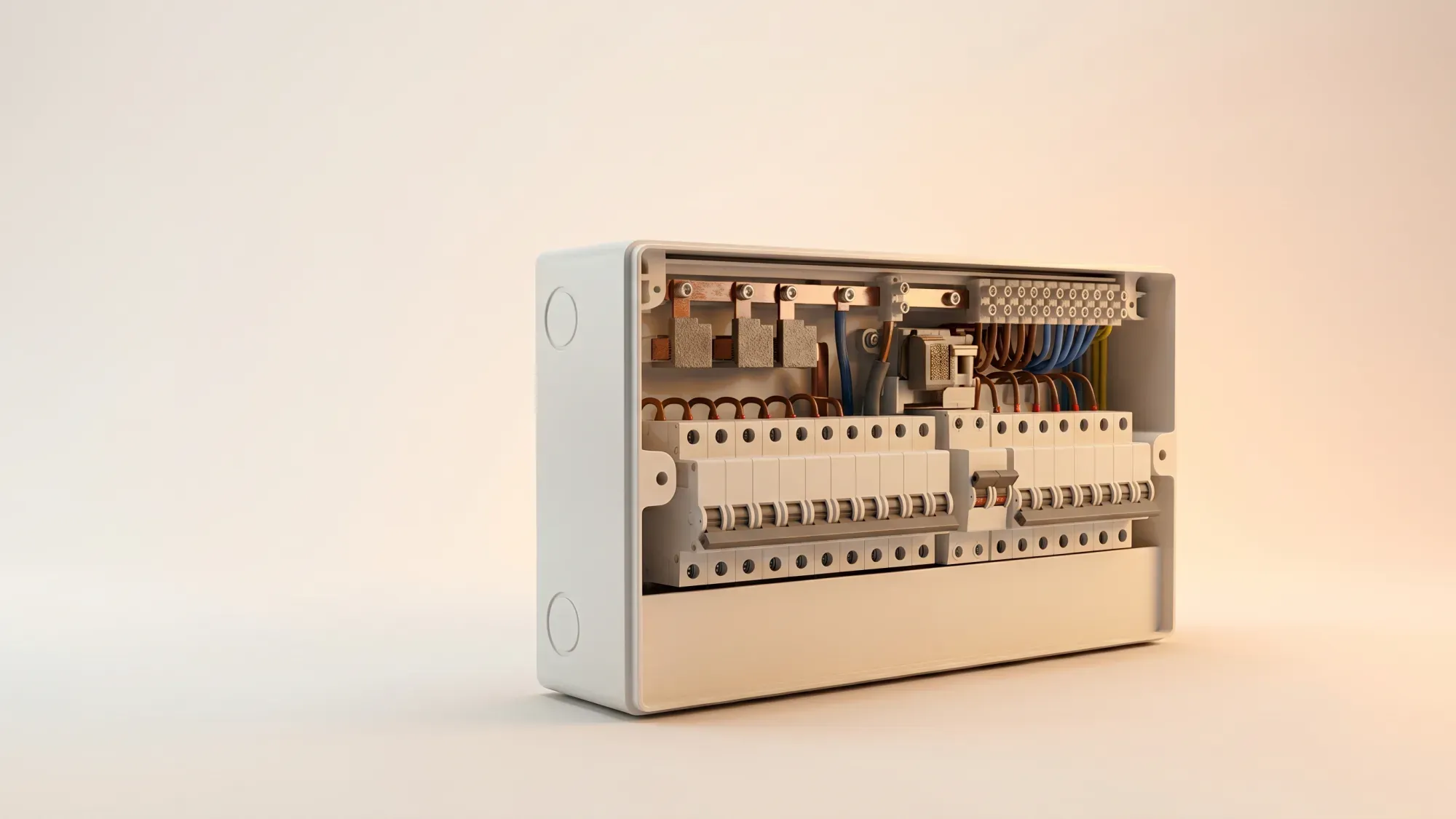
Ensuring the electrical safety of your property is not just good practice; for many in the UK, it is a legal obligation. The primary document that confirms the safety and condition of existing electrical installations is the Electrical Installation Condition Report, commonly known as an EICR. This guide demystifies the EICR, explaining what it is, who needs one, and how to navigate the process, helping property owners and landlords meet their responsibilities with confidence.
A robust and compliant electrical system is essential for the efficient and safe operation of any home. Fuse Energy is committed to empowering property owners with clear information about their home energy systems. While we do not directly perform EICR inspections, we understand that a safe electrical infrastructure is foundational for integrating modern energy solutions. Click here to see how Fuse Energy can help you manage your home's energy.
Enter your address to get a quote and see how much you could save
What is an electrical installation condition report (EICR)?
An Electrical Installation Condition Report (EICR) is a formal document issued after a thorough inspection and test of a property's fixed electrical installation by a qualified electrician. Think of it as an MOT for your electrics, assessing the safety and condition of the wiring, sockets, light fittings, consumer unit (fuse box), and other electrical components.
Purpose and scope of an EICR
The main purpose of an EICR is to identify any potential dangers, such as worn insulation, overloaded circuits, or missing earthing, that could lead to electric shocks, fires, or other hazards. It checks whether the electrical installation meets current safety standards, specifically those outlined in the BS 7671 Wiring Regulations. For landlords in England, having a valid EICR is a legal requirement, ensuring the safety of their tenants.
Key components of an EICR
During an EICR inspection, a qualified electrician will visually inspect the electrical system and conduct various tests. They will assess the consumer unit, wiring, earthing and bonding, and all accessories like sockets and switches. The report will detail any observations, categorising them with specific codes to indicate the severity of any issues found.
Legal requirements for property owners and landlords
Electrical safety standards are a critical concern across the UK, with specific legal requirements for landlords and strong recommendations for homeowners.
Landlord obligations: the 2020 regulations
Landlords in England are legally required to ensure their electrical installations are inspected and tested at least every five years by a qualified person. This obligation stems from The Electrical Safety Standards in the Private Rented Sector (England) Regulations 2020, which came into force for new tenancies from 1st July 2020 and for existing tenancies from 1st April 2021. Landlords must obtain a report detailing the inspection results and provide a copy to each tenant within 28 days of the inspection, or before a new tenancy begins.
Homeowner recommendations: ensuring your safety
While homeowners are not legally mandated to have an EICR, it is strongly recommended that they have their electrical systems inspected every ten years. This helps to ensure ongoing safety and compliance with the latest electrical standards, particularly before buying a house, undertaking major renovations, or installing new electrical appliances like EV chargers.
Penalties for non-compliance
Failing to comply with EICR regulations can lead to severe consequences for landlords. Local authorities can impose financial penalties of up to £40,000 for breaches of the regulations. This maximum penalty was raised from £30,000 on 1 November 2025, under amendments made by the Renters' Rights Act 2025. Non-compliance can also result in enforcement action, legal risks, and difficulties in letting a property.
Different types of electrical certificates explained
The world of electrical certification can seem complex, with several different documents serving distinct purposes. Understanding the differences is key to ensuring compliance and safety.
EICR vs electrical installation certificate (EIC)
The main electrical safety certificate for existing installations is the EICR. In contrast, an Electrical Installation Certificate (EIC) is issued following new electrical work or major alterations to an electrical system. An EIC confirms that the new work was completed safely and to current standards, but it does not assess the overall condition of an existing installation over time. They are not interchangeable documents.
Minor electrical installation Works certificate (MEIWC)
A Minor Electrical Installation Works Certificate (MEIWC) is used for smaller jobs that involve additions or alterations to an existing circuit, rather than a completely new circuit. This could include adding a new socket, replacing a light fitting, or moving a light switch. The MEIWC confirms that the minor work complies with BS 7671 wiring regulations and has not impaired the safety of the existing installation.
How to obtain an EICR: a step-by-step process
Obtaining an EICR is a straightforward process when you know the steps involved.
Finding a qualified electrician
An EICR must be carried out by a 'competent person' - in practice, a qualified electrician with the necessary knowledge, skills, and experience to conduct inspection and testing safely and accurately. In the UK, registration with approved bodies such as NICEIC or NAPIT is a recognised way to demonstrate competence. Using an unregistered or unqualified contractor can invalidate the report for regulatory purposes.
What to expect during the inspection
During an EICR inspection, the electrician will typically:
- Visually inspect the electrical installation for any signs of damage, wear, or deterioration.
- Test the fixed electrical wiring, consumer unit, earthing, bonding, and all accessories.
- Identify any potential hazards or non-compliance with current safety standards.
- Record their findings in the EICR report, assigning classification codes to any observations.
The inspection usually takes a few hours, depending on the size and complexity of the property.
Typical EICR costs and factors affecting price
The cost of an EICR can vary, but generally ranges from £60 to £300, including VAT, depending on the size and complexity of the property. For a typical 1-2 bedroom property, you might expect to pay between £120 and £200, while a 3-bedroom house often costs between £200 and £250. Factors influencing the price include:
- Property size: Larger properties with more circuits generally cost more to inspect.
- Location: Prices can be higher in certain areas, such as London and the South East.
- Age and complexity of the electrical system: Older installations or those with complex layouts may take longer to inspect.
Understanding your EICR report and remedial actions
Once the inspection is complete, you will receive your EICR report, which details the findings and any necessary actions.
Deciphering EICR codes (C1, C2, C3, FI)
The EICR report uses specific codes to indicate the severity of any observations made during the inspection:
- C1: Danger Present. This is the most serious classification, meaning there is an immediate danger of electric shock or fire. The electrician should make the installation safe before leaving the property.
- C2: Potentially Dangerous. This indicates a potentially dangerous condition that requires urgent remedial action. While not immediately life-threatening, it could become dangerous if left unaddressed.
- C3: Improvement Recommended. These are observations where improvements are recommended but are not essential for safety. They highlight areas that do not fully comply with current regulations or best practices but are not immediately dangerous. A C3 code does not prevent an EICR from being satisfactory.
- FI: Further Investigation Required. This code means the electrician has identified an issue that needs further investigation before its severity can be fully assessed or a solution recommended.
What EICR codes make a report unsatisfactory?
An EICR is deemed unsatisfactory if it contains any C1 (Danger Present), C2 (Potentially Dangerous), or FI (Further Investigation Required) codes. These issues indicate that the electrical installation does not meet safety standards and requires prompt attention to ensure compliance and prevent potential hazards.
Addressing unsatisfactory reports
If your EICR is marked as 'unsatisfactory' due to C1, C2, or FI codes, you must carry out remedial work promptly. For landlords, this typically means addressing C1 and C2 issues within 28 days (or sooner if specified) and providing written confirmation that the work has been completed. The installation cannot be considered safe or compliant until these issues are resolved.
Validity and re-inspection frequency
An EICR for a rental property is valid for up to five years from the date of inspection. However, the electrician can specify a shorter re-inspection interval if the condition of the installation warrants it. For homeowners, while not legally binding, a re-inspection every ten years is generally recommended. Any major renovations or alterations to the electrical system should also prompt a new EICR, regardless of the previous report's validity.
Beyond the EICR: ongoing electrical safety
An EICR is a snapshot of your electrical system's health, but maintaining safety is an ongoing commitment.
Regular checks and maintenance
Beyond the periodic EICR, regular visual checks can help identify obvious signs of damage, such as cracked sockets, frayed cables, or scorch marks around outlets. Addressing minor issues promptly and ensuring electrical appliances are used safely contributes to overall electrical integrity.
Integrating electrical safety with home energy management
A safe and compliant electrical infrastructure, validated by regular EICRs, is foundational for integrating modern energy solutions. As the UK moves towards a more sustainable energy future, technologies like smart meters and EV chargers become increasingly common. Fuse Energy is committed to empowering property owners with clear information about their home energy systems. While Fuse Energy does not directly perform EICR inspections, we understand that a robust and compliant electrical system is essential for the efficient and safe operation of the smart home energy solutions we provide. By demystifying electrical safety requirements, we help property owners feel more in control and confident in their home's energy future.
Managing your home's energy should be clear and easy. Fuse Energy focuses on straightforward pricing, so you can see exactly what you are paying without unnecessary complexity. If you have a smart meter, you can view detailed usage data through the app or website, helping you understand how you can lower your bills. If you do not have a smart meter, Fuse Energy can upgrade your non-smart meter, completely for free. Our 24/7 human support team is always on hand with fast response times whenever you need help. Click here to switch to Fuse Energy today. Find out about our mission by clicking here.
Disclaimer
For the avoidance of doubt, this article is provided for informational purposes only and is not intended to constitute legal or financial advice. The author and/or Fuse Energy shall not be responsible for any losses arising out of any reliance on the information contained herein.